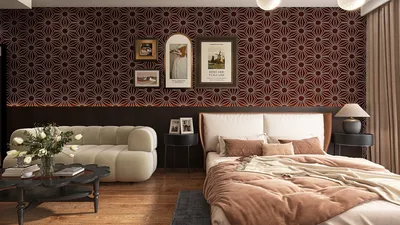


Using black wallpaper can significantly define a room's character. It showcases artwork, balances light, and injects a contemporary flair that lighter palettes sometimes lack. When thoughtfully applied—with appropriate lighting, contrasting elements, and varied textures—it serves as a foundation for striking yet comfortable design. Incorporating tools like Homestyler can help visualize how these elements come together.
Effective lighting is crucial in distinguishing between a dynamic ambiance and a somber one. The Illuminating Engineering Society (IES) recommends task lighting in living spaces to be between 300 and 500 lux, whereas ambient lighting should reside around 100 to 300 lux for optimum comfort. The WELL v2 guidelines further stress the importance of controlling glare and implementing diverse lighting layers—ambient, task, and accent—to enhance visual comfort and circadian wellness. These recommendations support a black wallpaper setup that feels inviting rather than stifling. According to Verywell Mind, darker colors often evoke sophistication and introspection, establishing black as a powerful backdrop for concentration when paired wisely with warmth and texture.
Elegant Matte Black for Living Areas
Matte black wallpaper minimizes reflections, creating a serene, gallery-like environment. I like to complement it with dimmable warm-white lighting (2700–3000K) and soft white trim to maintain contrast without overwhelming the space. An accent wall behind a media center can make the TV essentially vanish, while wall washers introduce a gentle vertical glow that counters the depth of the black finish. Opting for a matte surface with minimal sheen also helps reduce glare.
Textured Black for Added Dimension
Utilizing black materials like grasscloth or embossed vinyl can enhance visual appeal and dimension. In dining settings, I recommend a vertical ribbed pattern to create an illusion of increased wall height. Textural elements interact with side light beautifully; employing adjustable track lighting or wall sconces can accentuate these textures for a sculptural effect. Pair these with tactile seating options like bouclé or leather to foster a sense of layering rather than flatness.
Geometric Black Designs for a Contemporary Touch
Striking geometric patterns—like chevrons or grids—are most effective when applied to a single wall to prevent overwhelming the space. Maintain a simple color scheme: black paired with warm gray and a tasteful accent like rust or brass. A patterned backdrop behind a credenza can serve as an attractive focal point; if planning furniture arrangement and movement, using a room layout tool can assist in simulating visual perspectives and ensuring flow.
Black with Warm Metallics for Luxurious Contrast
Metallic-embellished black wallpaper—featuring a charcoal base infused with bronze or antique gold—creates an elegant sheen under warm ambient lighting. Utilizing dimmable 2700K bulbs can prevent bluish reflections. In bathrooms, a metallic design combined with matte black fixtures and polished stone countertops imparts a crisp, refined aura.
Soft Charcoal in Bedrooms for Serenity
Deep charcoal wallpapers provide the allure of black while facilitating better light management. I recommend bedside lighting at 300–500 lux alongside ceiling ambient lighting around 100–200 lux for effective wind-down routines. This wallpaper pairs beautifully with natural fabrics and warm wood tones like walnut or oak. If the intensity of black feels overwhelming above, confining it to the headboard area can help preserve brightness in the morning.
Monochrome Black Florals for Subtle Charm
Floral patterns rendered in black-on-black or black-on-ink gray lend a delicate, romantic texture free from assertive colors. They pair wonderfully with elements such as smoked glass lamps and ebonized wood, complemented by brushed nickel details. In spaces adorned with dark floral designs, it's best to avoid glossy flooring; instead, opt for matte or low-sheen surfaces to maintain a controlled reflection.
Utilizing Black Wallpaper in Compact Spaces
In smaller areas like entryways and powder rooms, black can amplify drama effectively. Strategically placing mirrors can enhance visual depth, while selecting warm-finish frames prevents a harsh appearance. Combine ceiling lights with wall sconces to soften shadows on faces, adhering to IES recommendations for uniform vertical lighting to ensure visual comfort in cozy spaces.
Stripes and Panel Motifs to Enhance Proportions
Vertical black stripes or paneled patterns can create an illusion of increased height, whereas horizontal stripes can widen a narrow area. I often implement painted wainscoting beneath black wallpaper for a balanced appearance. For furniture positioning and spatial rhythm, utilizing an interior design planner through a layout simulation tool can help test sightlines and symmetry.
Combining Acoustic Treatments with Material Choices
Dark, textured wallpapers can effectively absorb sound in active spaces. Pair these with wool rugs and upholstered panels to diminish reflections and echoes. In open layouts combining living and dining areas, a striking black feature wall with a dense substrate can help attenuate mid-frequency noise without reliance on overly obvious soundproofing solutions.
Environmental Sustainability and Care
Opt for low-VOC wallpapers and adhesives made from recycled materials. Washable vinyls or performance textiles are highly functional in high-traffic areas; matte finishes are more adept at hiding fingerprints than glossier alternatives. In kitchens, a wipe-clean surface behind breakfast areas is advisable, though steering clear of proximity to direct cooking surfaces is recommended.
Lighting Approaches for Dark Walls
Layering ambient, task, and accent lighting is key to modeling the surfaces and enhancing visibility of faces. Using warm-white LEDs (2700–3000K) offsets the cooler appearance of black; adding dimmers allows for scene regulation, and positioning light sources to reduce direct glare is vital. Applying wall grazing techniques with soft outputs can highlight textures effectively, while diffused pendants offer comfortable illumination over seating without harsh spots.
Understanding Color Psychology and Achieving Balance
While black conveys luxury and authority, it must be counterbalanced to promote emotional well-being. Integrating warm woods, terracotta, and soft neutrals can alleviate any emotional heaviness. Insights on color psychology from Verywell Mind emphasize how darker shades can provide a sense of security and grounding; incorporating living elements like plants and natural fibers helps maintain a human-centered atmosphere.
Practical Styling Suggestions
• Use lighter trim to define boundaries effectively.
• Select matte or eggshell finishes to minimize glare.
• Create contrast with lighter art mats and frames for improved clarity.
• Employ larger patterns in compact rooms to avoid excessive visual noise.
• Always test wallpaper samples under both artificial and natural light before full installation.
Frequently Asked Questions
Q1: Does black wallpaper make a room appear smaller?
A1: It can create a sense of enclosure if lighting and contrast are inadequate. With proper ambient lighting (around 100-300 lux) and lighter trim, black often results in a cocooning effect rather than a cramped one.
Q2: What color temperature complements black walls best?
A2: Warm white light (2700–3000K) enhances complexion tones and preserves the richness of materials. Cooler light may render black unflattering or harsh.
Q3: Is matte black preferable to glossy finishes?
A3: Matte options reduce glare and mask imperfections, making them ideal for living areas and bedrooms. Glossy finishes can be striking in halls or restrooms but require careful lighting to avoid harsh reflections.
Q4: How can I achieve balance with a black feature wall?
A4: Incorporate warm woods, textured fabrics, and diffused lighting. Keep adjacent walls lighter and use mirrors selectively to enhance depth without overwhelming the space.
Q5: Are patterns more manageable than solid black?
A5: Patterns can diffuse the visual weight of black. Geometric or botanical designs soften the overall impact while maintaining a sense of drama; it's best to limit such patterns to a single wall to keep clarity intact.
Q6: How do acoustics perform with black wallpaper?
A6: Textured or thicker wallpapers can marginally improve sound absorption. Combining them with rugs, curtains, and upholstered furnishings can significantly mitigate echo in open designs.
Q7: What's the best method for cleaning and caring for dark wallpapers?
A7: Choose washable materials; spot-clean with mild soap and a microfiber cloth. Matte finishes are less prone to showing fingerprints, so avoid harsh cleaning tools on embossed designs.
Q8: Can black be effective in north-facing rooms?
A8: Yes, when combined with warm lighting and layered contrast. Utilize lighter flooring and furnishings to counteract the cooler daylight and maintain an inviting atmosphere.
Q9: Which trims and metals complement black walls best?
A9: Off-white or soft beige trims enhance legibility for edges. Warm metals like brass and bronze add character; chrome might evoke a chillier tone unless harmonized appropriately.
Q10: How should I arrange furniture against black walls?
A10: Focus on contrast by using lighter upholstery or wood tones. Test the layout using an interior design visualization tool to ensure fluid circulation and well-balanced sightlines.



Discover the world of home design with Homestyler! This user-friendly online platform offers a powerful design tool, stunning 3D renderings, and a wealth of inspiring DIY video tutorials. Whether you're a beginner or an enthusiast, bring your visions to life seamlessly with Homestyler!
지금 무료로 디자인하세요
































