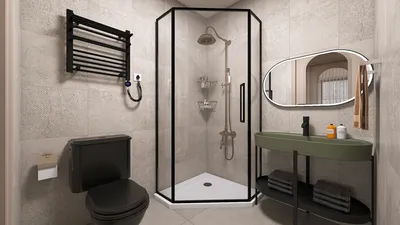


I still chuckle at a client who once requested her tiny studio to be painted in a way that felt both "royal yet cozy" — she insisted that the ceiling match the walls in the same purple hue. This experience taught me that purple can either create a majestic atmosphere or feel suffocating, depending on how it’s applied, the lighting present, and the overall scale of the room. To help clients visualize bold decisions before finalizing them, I often utilize spectacular 3D models that portray the depth of colors and lighting, effectively capturing how settings can change.
Small spaces can spur significant creativity: a room painted in purple can be transformed into a jewel-like refuge, a serene haven, or a vibrant statement. Here, I’ll share five strategies I have implemented in real projects, highlighting potential pitfalls, budget-friendly tips, and effective quick tricks.
1. Monochrome Depth: Layered Purples
Select a specific shade of purple and layer it from light lavender to dark eggplant across walls, fabrics, and décor. I applied this technique in a narrow apartment, where varying finishes such as matte walls, satin curtains, and a velvet pillow created dimension without overcrowding the space.
The benefit of this method lies in its cohesiveness and dramatic effect; however, maintaining balance is essential—excessive dark purple can make a room feel heavy. To counter this, I recommend breaking up the layers with reflective elements like brass hardware or a sizable mirror to enhance light.
save pin
2. Accent Wall with a Subtle Pattern
Incorporating a patterned purple accent wall adds character without overwhelming the entire room. For instance, in one bedroom, I used a hand-painted floral stencil on a deep plum accent wall while keeping the other walls a soft gray-beige to maintain harmony.
This approach is budget-conscious if you opt for painting rather than wallpapering, but precision is key—ensuring that the pattern scales appropriately with the size of the room is crucial to avoid clashing with furniture.
save pin
3. Pair Purple with Unexpected Contrasts
Combining jewel tones — such as purple with hints of emerald or mustard — can truly elevate a room's aesthetic. I once designed a compact living space with lilac walls paired with an emerald armchair; the contrast rendered the environment sophisticated rather than overwhelming.
If you're in doubt, testing paint swatches in varying light conditions throughout the day can help. For more innovative color pairings, I often utilize AI-driven home design tools like Homestyler to rapidly generate visual concepts when clients need options at speed.
save pin
4. Soft Lavender for Calm and Light
Lavender is an excellent choice for bedrooms and bathrooms as it exudes a soft, airy vibe when combined with warm whites and natural woods. I suggested a delicate lavender for a client’s ensuite, integrating wood tones and matte brass to stabilize the palette.
However, it's worth noting that lighter purples can appear cool or clinical under fluorescent lighting, so it’s advisable to use warm LED lights and layered lighting to keep the area welcoming.
save pin
5. High-Impact Elements: Cabinets or Ceilings
Applying a rich purple to a cabinet run, an interior door, or even the ceiling can instantly inject personality into the room. In a small galley kitchen, I specified high-gloss purple for the lower cabinets; the sheen contributed to a perception of depth while maintaining playfulness in design.
Be mindful that trendy choices can date quickly; to ensure longevity, limit bold colors to replaceable elements like cabinetry or textiles. In functional spaces such as kitchens, marrying vivid colors with practical design is essential to prevent usability issues.
save pin
Tips 1:
Always test large paint samples at eye level and observe them in various lighting throughout the day. Maintaining a neutral element (like rugs, trim, or wood accents) will help prevent purple from overwhelming the space. And remember that texture is crucial—materials like velvet, linen, and matte paint convey different narratives.
save pin
FAQ
Q1: Will painting a room purple make it feel smaller?
A: Not necessarily. While dark purple can create a cozy ambiance, strategic applications (such as accent walls, glossy finishes, and mirrors) can add perceived depth instead of constricting space.
Q2: Which finishes work best with purple paint?
A: Matte finishes provide a sleek, velvety appearance; satin and eggshell finishes reflect soft light, while high-gloss can amplify colors and enhance light in smaller spaces, though they may highlight imperfections more readily.
Q3: What colors complement purple well?
A: Neutrals (like warm whites and greiges), jewel tones (emerald, teal), and muted gold or brass accents all harmonize beautifully with purple. Always test combinations together before making a commitment.
Q4: Is purple a good choice for kitchens?
A: Yes—purple can look stunning on cabinets or islands. I suggest using durable, easy-to-clean paints and carefully planning layouts to ensure the color enhances rather than distracts from functionality.
Q5: How can I choose the right shade of purple?
A: Take into account the orientation of the room and the natural light available—north-facing spaces often benefit from warmer purples, while south-facing areas can handle cooler shades. Testing samples on different walls and under varying light conditions throughout the day is also recommended.
Q6: Are there any health or psychological implications?
A: Purple can stimulate creativity and evoke tranquility; lighter shades tend to be soothing, whereas vibrant purple hues may feel invigorating. For research-backed insights on color psychology, resources like Pantone’s studies are invaluable.
Q7: How can I keep a purple-themed room from feeling outdated?
A: Limit bold purple tones to changeable items (such as cushions, rugs, or cabinets) while grounding the design with timeless materials like wood or stone. Updating smaller accessories can rejuvenate the space without the need for a complete repaint.
Q8: Can I view my design before proceeding with paint?
A: Absolutely! Utilizing mockups, sample boards, and digital previews is a smart way to save time and budget. I frequently use quick visualizations through platforms like Homestyler to confirm the direction of colors before paint is applied.
save pin
Discover the joy of home design with Homestyler! This user-friendly platform offers an intuitive online design tool, stunning 3D renderings, and a wealth of design projects and video tutorials. Whether you're a novice or a seasoned designer, Homestyler makes it easy to bring your creative vision to life!
Progetta ora GRATIS
































