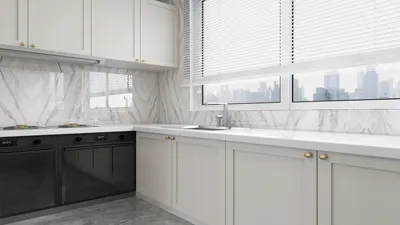


Transforming small PG rooms into inviting spaces can be achieved through strategic layout planning, layered lighting, and the use of tactile materials. By focusing on scale, storage solutions, and creating visual rhythm with simple adjustments, even the coziest areas can evolve into functional and appealing environments overnight. Incorporating tools like Homestyler can greatly assist in these transformations.
Compact spaces benefit most from intentional enhancements. The WELL v2 standard emphasizes the influence of lighting quality on both comfort and circadian rhythm; leveraging balanced ambient and task lighting can lessen eye strain and elevate mood. Research by Steelcase supports the notion that a well-ordered personal space can foster a sense of control, ultimately lessening stress and improving daily productivity. Such findings reinforce the value of minor changes, particularly regarding lighting and organization, yielding significant results.
Lighting guidelines stress the necessity of suitable illuminance within small interiors: the Illuminating Engineering Society advises approximately 300–500 lux for general ambient tasks and 500–750 lux for detailed work, utilizing warm-neutral color temperatures (2700–3500K) to promote relaxation during evening hours. Applying these standards to PG rooms—where desks often serve multiple purposes—can help mitigate glare and fatigue effectively.
Establishing a Functional Core
I usually initiate the design by pinpointing a primary functional area: either sleep + study or sleep + leisure. Positioning the bed against the longest wall opens up pathways and ensures a circulation space of 24–30 inches around essential furniture. If the room has an unusual inset or a window nook, placing the desk there allows for natural light without direct glare. Utilizing a room layout tool like Homestyler can facilitate trials for clearances and furniture arrangements seamlessly.
Maximize Vertical Storage to Declutter Quickly
Creating a calm visual space begins with elevating items off the floor. Employ stackable storage bins under the bed, opt for a narrow wardrobe with 18–24 inches of depth, and install wall-mounted shelves spaced 12–15 inches apart to create an orderly vertical structure. I appreciate multifunctional furniture: an ottoman with concealed storage, a foldable desk rail, and hooks on the door for bags and jackets. Keeping the first 36 inches of height visually clear can significantly lessen the feeling of crowding as you survey the room.
Opt for Layered Lighting Instead of Glare
Avoid relying on a single overhead bulb. Instead, combine a warm ambient lamp (2700–3000K), a high-CRI task lamp on the desk, and a subtle uplight discreetly placed behind a curtain or wardrobe to mitigate shadows. Aim for 300–500 lux in general areas and over 500 lux at the workspace; dimmers can adjust lighting to match evening routines aligned with your circadian rhythm. Position lights to prevent direct views of bulbs while seated—this will significantly reduce glare fatigue common in small setups.
Understanding Color Psychology in Small Areas
In constricted rooms, color choices serve as behavioral cues. Soft grays, faded sage, and light sand hues visually recede, contributing to an expanded perception of space. Introduce a single accent—such as rust, coral, or deep teal—on one vertical plane to anchor visual focus without segmenting the area. Limit vibrant colors to small accessories to energize the room without overwhelming it. Utilizing insights from Verywell Mind about the calming effects of blue and restorative qualities of green can guide the selection of textiles that enhance the evening ambiance.
Incorporate Soft Materials for Acoustic Comfort
PG rooms often share walls with corridors, making acoustic comfort critical. Incorporate a dense rug, a fabric-covered headboard, and lined curtains to absorb mid- to high-frequency noise. To manage sound leakage from doors, use a compressible seal strip and consider hanging a textile panel or cork board on the adjacent wall. A compact white-noise machine near the bed can drown out sporadic noises without increasing decibel levels.
Micro-Zoning Techniques: Study, Sleep, Store
Utilize the foot of the bed as a micro-divider by placing a low bench or storage trunk in that space. Maintaining a 24–30 inch gap between the bed and desk prevents visual clutter. For longer, narrower rooms, you can switch the layout: position the bed horizontally and the desk vertically in relation to the window. Use a slender screen, open shelving, or a ceiling-hung curtain to define zones without taking up valuable floor space.
Establishing Visual Rhythm and Scale
Balance vertical and horizontal lines throughout the space to enhance visual comfort. Align three taller items (such as a wardrobe, bookshelf, and curtains) while ensuring lower pieces (like benches and nightstands) are styled in consistent heights. Position artwork 57–60 inches from the ground for a calm, gallery-like appearance. Strategic placement of mirrors—adjacent to, not facing, the window—can reflect light artistically without producing glare.
- Replace harsh white bulbs with warm LED alternatives and add compact dimmer sockets for versatility.
- Layer two pillow sizes along with one throw blanket to achieve immediate depth at the bed.
- Incorporate a narrow runner rug along the bed’s path to soften footfall sounds.
- Choose one large art print rather than multiple smaller frames to minimize visual noise.
- Utilize a peg rail for hanging items; this solution remains tidy, adaptable, and affordable.
Prioritizing Ergonomics in Small Spaces
Human factors are crucial, even in limited environments. Maintain desk height around 28–29 inches, chair seat height of 17–19 inches, ensuring the monitor screen is aligned near eye-level. In the absence of a fully ergonomic chair, consider using a firm pillow for lumbar support and include a footrest for comfort. A clamp-on light positioned under the desk can optimize surface space while concentrating light where needed.
Choosing Sustainable, Low-Impact Materials
Small spaces lead to heightened exposure to finishes. Opt for low-VOC paints, natural fiber rugs, and solid wood furniture over heavy laminates to enhance air quality and tactile warmth. Vintage pieces with real wood frames are easy to refurbish and withstand daily wear. Simplify cleaning routines with closed baskets that keep dust at bay yet remain portable for swift resets.
Making the Most of Daylight and Privacy
Sheer curtains provide light filtering while maintaining privacy; pair them with a blackout roller for optimal rest. Angle the desk 15–30 degrees away from direct sunlight to thwart screen reflections. If prying eyes are a concern, position a plant or sculptural lamp on the sill to create an inviting privacy barrier at night.
Personalization Without Clutter
Limit décor to three personalized clusters: a vertical pinboard, a bedside arrangement, and one shelf reserved for books or memories. This strategy reinforces personal identity while keeping surfaces uncluttered. Rotating small decorative items on a monthly basis offers freshness without accumulating extra bulk.
Utilizing Layout Tools to Visualize Prior to Purchase
Before adding new furniture, I recommend simulating footprints to avoid poor fits. Employing an interior layout planner like Homestyler allows effective trials of bed sizes, desk orientations, and spatial clearances; visualizing the plan aids in steering clear of costly errors in compact PG rooms.
Quick Weekend Revamp Plan
Day 1: Start with decluttering, measuring, and sketching the new layout. Update lightbulbs and introduce a task lamp. Install the peg rail and shelves. Day 2: Hang curtains, lay down a rug, arrange the bed and desk, and establish your three décor clusters. Conclude with a standout print and mirror placement to create a calmer, brighter, and more personal environment—without needing to alter the walls themselves.
References for Authority and In-Depth Insight
Investigate workplace behavior correlations with spatial comfort and control through Steelcase research, and review WELL v2 recommendations on lighting and comfort for healthier interiors. These resources provide valuable backing for decision-making in small spaces supported by human-centered evidence.
Frequently Asked Questions
Q1: What’s the quickest way to make a PG room appear larger?
A: Clear the floor space: utilize elevated storage, maintain a 24–30 inch circulation route, and switch to warm, layered lighting. Incorporating a single grand art piece and a strategically placed mirror can significantly amplify the perception of width.
Q2: How bright should my desk lamp be for optimal functioning?
A: Aim for 500–750 lux at your workspace, utilizing a high-CRI LED in the 3000–4000K range to preserve color fidelity and lessen eye strain while remaining comfortable for evening work.
Q3: Which colors are most effective in small rooms?
A: Favor muted neutrals accompanied by a solitary accent color. Blues and greens evoke feelings of tranquility and rejuvenation; incorporate these colors into textiles or as a single wall accent to cultivate the desired atmosphere without clutter.
Q4: What are some strategies to minimize noise without significant overhauls?
A: Implement a dense area rug, lined drapes, and a soft headboard; close door gaps and consider hanging a cork or fabric panel. A compact white-noise generator can help mute transient sounds from the hallway.
Q5: What constitutes an ergonomic desk setup for a small workspace?
A: Maintain desk height of 28–29 inches, chair seat height of 17–19 inches, and position the monitor screen near eye level. If the space is limited for a full ergonomic chair, support your lower back with a firm cushion and utilize a footrest for added comfort. A clamp-on light can help alleviate clutter on your desk.
Q6: Is it possible to create separate zones in a very compact PG room?
A: Absolutely—use low-height furnishings at the bed's foot, open shelving to act as a semi-permeable barrier, or a ceiling-hung curtain to define different areas without compromising floor space. Prioritize open sightlines and maintain at least a 24-inch walkable path.
Q7: Which materials can enhance air quality in compact environments?
A: Choose low-VOC paints, natural fiber rugs (such as cotton, wool, or jute), and solid wood or powder-coated metal products. Avoid heavy synthetics that release harmful particles; ensure proper ventilation after introducing any new materials.
Q8: How can I manage glare from windows while working?
A: Angle the desk 15–30 degrees from the window, employ sheer curtains to diffuse incoming light, and position a task lamp opposite the windows to create balanced illumination.
Q9: Is a headboard necessary in a PG room setting?
A: While not essential, a soft, slim headboard enhances acoustic insulation and tactile comfort. If space is limited, consider mounting a fabric panel on the wall for similar effects.
Q10: What budget-friendly décor upgrades can I make?
A: A peg rail, a singular statement art print, and a quality warm LED dimming kit are excellent choices. They introduce order, a personal touch, and better lighting control without exhausting space or budgets.
Discover the power of Homestyler, your go-to online home design platform! With an intuitive design tool, stunning 3D renderings, a wealth of design projects, and helpful video tutorials, bringing your dream home to life has never been easier or more enjoyable.
Design Now for FREE
































