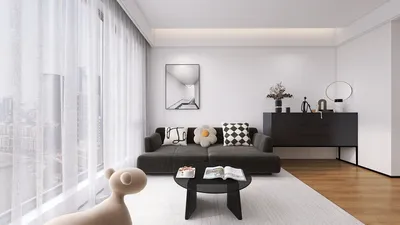


In my experience, a small office can undergo a significant transformation, as I discovered when I persuaded a client to opt for a calming muted forest green. Initially hesitant, they were pleasantly surprised when staff began adding plants, ultimately resulting in a boost in productivity. This solidified my belief that even compact spaces can lead to transformative design choices. If you’re contemplating a refresh, I typically use a room planner to visualize designs and ensure that the colors and proportions feel right before any paint is applied, often utilizing Homestyler for this purpose.
1. Soothing Sage for Enhanced Focus
Sage green serves as an excellent choice for those seeking a minimalist backdrop that minimizes visual distraction. I’ve employed it in narrow office setups to create a feeling of depth; however, it's essential to be mindful of lighting, as it can appear dull without sufficient illumination. To counteract this, consider pairing it with warm lighting options or a satin finish.
2. Striking Emerald for a Feature Wall
An emerald green feature wall exudes luxury and is an ideal choice behind a desk or open shelving, elegantly framing the workspace. While it is bold and adept at concealing smudges, it can come at a higher paint cost and may feel overwhelming if overdone—it's best to keep adjacent walls neutral and introduce wooden or brass accents to maintain balance.
save pin
3. Mint and White for a Modern Touch
By combining mint green with crisp white trim, you can brighten small offices without losing character; it's particularly popular in spaces that interact with clients, as it conveys friendliness. When planning the layout—especially in uniquely shaped rooms—I sketch out zones using a room layout planner; mint helps maintain an airy feel while ensuring that durable, washable paint is applied in high-contact areas.
save pin
4. Olive Green Coupled with Natural Textures
Olive green complements materials like rattan, stone, and warm woods beautifully, establishing a cozy atmosphere in collaborative spaces and breakout areas. While it’s a forgiving color that promotes a grounded vibe, be cautious of pairing it with overly dark furniture which may make the space feel too earthy; lighter textiles and reflective surfaces can help create a better balance.
save pin
5. Chartreuse for Energizing Accents
Introduce chartreuse in moderation—on cabinetry, a lower half-wall, or a slim stripe—to add energy without overwhelming the senses. I once tested a chartreuse kickboard in a startup office, and it was well-received by the team. The challenge, however, lies in durability and the visibility of touch-ups, so opt for a slightly deeper shade in high-traffic areas and consider using 3D rendering through Homestyler to preview the effect before painting.
save pin
FAQ
Q: Do green paint shades enhance productivity in workspaces?
A: Many designers, myself included, favor green as it strikes a balance between tranquility and creativity. Research indicates that green can reduce eye strain and enhance concentration in environments where screen use is prevalent.
Q: What paint finish should I select for office walls?
A: Satin or eggshell finishes are recommended for offices—they provide a soft light reflection and are easier to clean compared to flat finishes, while steering clear of high-gloss glare.
Q: Are there health concerns linked to green paint?
A: Opt for low-VOC or zero-VOC paints to minimize off-gassing and lessen indoor air pollution; the EPA offers resources on volatile organic compounds and indoor air quality.
Q: How do I select the right shade of green for small offices?
A: Lighter shades and muted greens (like sage and mint) can visually expand the space; it's advisable to test samples on different walls and evaluate them in both morning and evening light before making a decision.
Q: Can green harmonize with corporate branding colors?
A: Absolutely—green pairs well with neutrals and many accent colors; consider using a strategically placed accent wall or furniture pieces to mirror brand colors without overwhelming the space.
Q: How much paint is necessary for a small office?
A: For most small offices, 1 to 2 gallons per coat is generally sufficient, depending on the desired coverage; it’s wise to purchase a little extra for touch-ups and additionally account for primer if changing from a darker hue.
Q: Should I hire a professional painter or do it myself?
A: If your office has intricate trim, various textures, or a strict timeline, hiring a professional can save time and ensure quality. However, for simple rooms, a DIY approach can be budget-friendly if you prepare adequately.
Q: Any quick tips for keeping painted office walls looking fresh?
A: Employ washable paints in high-traffic areas, maintain a small touch-up kit with extra mixed paint, and clean marks with a damp microfiber cloth to avoid wear and tear.
save pin
Homestyler is your go-to online home design platform. With its user-friendly design tool, stunning 3D renderings, and a wealth of inspiring design projects and video tutorials, you can effortlessly create and visualize your dream home. Transform your ideas into reality today!
Projete agora para LIVRE
































