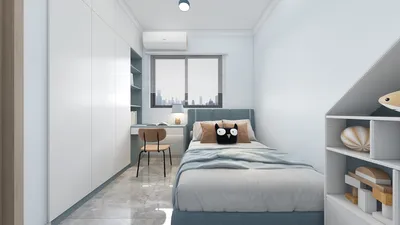


In a past project, I mistakenly chose the wrong shade of blue for a client's small bedroom — it turned out to be so chilly that even their cat wouldn’t curl up there. This experience taught me a valuable lesson: an appropriate icy blue can evoke the serene feel of a spa without making your space resemble a freezer. Small areas actually benefit from daring and carefully considered color selections, and icy blue hues can serve as a powerful ally when combined with textures, lighting, and smart layout techniques. In this article, I'll introduce five practical icy blue bedroom ideas, enriched by my real-life experiences, complete with helpful tips, trade-offs, and one important note from my journey.
1. Combining blue with warm wood tones
I enjoy the effect of a soft icy blue wall paired with medium-tone wooden furniture — the warmth of the wood counters any sterile vibe while maintaining a calm color palette. Advantage: this combination feels balanced and timeless. Challenge: it's crucial to select the right wood tones; overly reddish hues can disrupt the harmony. Tips: consider using a wooden headboard or floating shelves to define the bed area without overcrowding your small space. For initial spatial concepts, I often utilize a free room planner to lay out the design before making major purchases.
save pin
2. Icy blue with a matte plaster accent wall
Using a handcrafted matte plaster in icy blue adds depth that flat paint lacks and conceals minor wall imperfections. Advantage: it introduces a rich texture and nuanced light variations. A minor challenge: plaster can be pricier and requires a skilled applicator. I once persuaded a budget-savvy client to install a single plaster feature wall behind the bed — it exuded luxury without exceeding the budget, earning compliments from every guest.
save pin
3. Icy blue combined with soft metallics
Mixing icy blue fabrics with brushed brass or satin nickel accents creates an appealing contrast that feels contemporary and inviting. Advantage: these metallic elements enhance the overall glam while complementing the cooler shades. Possible downside: overdoing it may create a cluttered look, so I recommend limiting metallics to lighting fixtures, bedside hardware, and a mirror frame. This pairing is particularly effective in compact bedrooms, where reflective finishes can amplify light.
save pin
4. Monochrome textiles to add depth
Incorporate various shades of blue throughout your bedding, rugs, and curtains — from icy hues to deeper denim — to achieve a layered, cozy aesthetic without introducing contrasting colors. Advantage: this approach presents a unified and intentional look. Challenge: avoid competing patterns; keep most items solid or subtly textured. Pro tip: consider adding a tactile throw blanket or a chunky knit to infuse warmth while retaining the cool theme.
save pin
5. Enhance light with mirrored accents
Positioning mirrors and glossy surfaces strategically can boost natural light and create an airy feel in an icy blue room. Advantage: this technique significantly expands the spatial perception in smaller areas. One caveat: reflective surfaces tend to show smudges quickly, making easy-to-clean finishes essential. If you're looking to experiment virtually before purchasing, Homestyler offers a 3D floor planner that facilitates visualizing mirror placements and light dynamics to avoid awkward reflections.
save pin
FAQ
Q: What shades are classified as “icy blue” for a bedroom? A: Icy blues typically refer to pale, slightly desaturated tones with cool undertones — think glacier, powder blue, or blue-gray variants. Under daylight, they appear bright and, under warm lighting, tranquil.
Q: Will icy blue render a small bedroom cooler? A: It can, especially if used solely with cool materials; balance the scheme with warm woods, textiles, or metals to retain a cozy atmosphere.
Q: What kind of lighting is optimal for icy blue walls? A: Layered lighting — warm dimmable ambient light, bedside task lamps, and subtle accent lighting — creates a warm glow that offsets any chill from the color.
Q: Is it possible to blend icy blue with other colors? A: Absolutely — soft neutrals, muted greens, blush tones, and warm wood shades pair beautifully. Keep saturation levels consistent to maintain a tranquil vibe.
Q: Should I paint all four walls in icy blue? A: For very compact rooms, I often suggest opting for a feature wall (done with plaster, wallpaper, or a darker blue) to add interest without making the space feel constricted.
Q: How can I keep an icy blue environment from appearing sterile? A: Incorporate textures (through rugs, throws, and woven baskets) and warmer accents such as brass or wood. Adding plants also breathes life into the design.
Q: Any budget-friendly tips for refreshing with icy blue? A: Start with swapping out textiles and lighting — items like bedding, curtains, and a standout lamp can dramatically alter the mood without a hefty price tag. Utilize a room planner for layout assessments to ensure everything fits before shopping.
Q: Where can I find reliable guidance on color selection? A: Trusted paint manufacturers and their detailed color guides are excellent resources; for instance, Benjamin Moore and Sherwin-Williams offer comprehensive insights on light reflectance values and undertones to aid in choosing the perfect icy blue (check out Sherwin-Williams technical resources for specifics).
save pin
Homestyler is your go-to online home design platform. With its user-friendly design tool and stunning 3D renderings, you can easily create and visualize your dream spaces. Explore countless design projects and learn from engaging DIY video tutorials to elevate your home decor effortlessly!
지금 무료로 디자인하세요
































