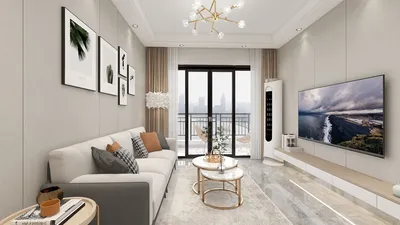


Transforming a small bedroom into a productive sanctuary doesn't require sacrificing focus or comfort. By skillfully managing spatial proportions, incorporating ergonomic features, and utilizing smart storage solutions, you can create a study area that feels seamlessly integrated rather than cramped. My design philosophy incorporates principles of human ergonomics, lighting strategies, and behavioral insights to develop a clean, distraction-free workspace that also prioritizes rest and personal privacy. Tools like Homestyler can assist in visualizing these layouts effectively.
Numerous studies confirm the critical role of environment in influencing performance. Research from Steelcase suggests that the support for posture and the selection of work posture can significantly affect cognitive stamina and productivity. This highlights the importance of having an adjustable chair and a flexible work surface. Additionally, the WELL Building Standard v2 advocates for appropriate task and ambient lighting to enhance visual comfort and alleviate eye strain during extended periods of reading or working on screens. These criteria inform the minimalist study designs I recommend.
When designing in compact spaces, color and acoustics become vital considerations as stimuli can accumulate rapidly. According to guidance from Verywell Mind, shades of blue and soft green foster a sense of calm and are conducive to focus, whereas more intense reds can increase arousal levels—potentially effective when used sparingly as accents but challenging when chosen as dominant wall colors near work areas. For sound management, using absorbing materials and soft furnishings can help minimize echoes, ensuring that typing and page-turning are less disruptive.
Establishing the right spatial ratio: Balance desk size with room dimensions
I recommend utilizing a 1/3 visual rule: The area occupied by the desk and chair should take up around one-third of the available floor space, facilitating smooth movement and unobstructed sleep routines. In typical small bedrooms ranging from 8 to 10 square meters, a desk measuring between 80 to 110 cm in width and 45 to 60 cm in depth strikes a balance between proper screen distance and adequate storage without overpowering the room. It’s essential to maintain a clearance of at least 76 to 86 cm behind the chair to allow for transitions.
Prioritizing ergonomic design: Focus on height, reach, and posture
Set your desk height around 72 to 75 cm, pairing it with an adjustable chair that ensures a 90 to 100-degree angle in the knees and keeps wrists neutral. It’s ideal for the top of the monitor to be level with or slightly below eye level, maintaining a viewing distance of 50 to 70 cm. I suggest using a shallow keyboard tray if needed, enabling elbows to hover at approximately 90 degrees, which helps keep shoulders relaxed. Place frequently accessed items within a 40 to 60 cm reach to minimize physical stress.
Optimal lighting: Task, ambient, and glare management
Incorporate layered lighting to combat fatigue. Aim for task lighting around 300 to 500 lux at your workspace, with a warm-neutral color temperature of 3500 to 4000K to achieve a balance between alertness and comfort. Position a dimmable desk lamp opposite your dominant hand to prevent shadows. The WELL v2 guidelines emphasize the importance of glare reduction—utilize matte finishes, indirect lighting, and light-filtering shades to soften direct sunlight. If your desk faces a window, position it to have the screen perpendicular to the window to decrease glare from harsh brightness.
Investing in micro-storage: Vertical and concealed setups
In smaller rooms, maximizing vertical space and opting for concealed storage solutions are key. Consider a shallow wall shelf above the desk to store reference materials and organize supplies with integrated pegboards. A single drawer with dividers can neatly store smaller items, and a rolling file cabinet can provide necessary paper storage without encroaching on space. Keeping the desk surface uncluttered—only a notebook, a device, and a lamp—can signal a focus-friendly environment.
Efficient layout strategies for cramped corners
Corner desks can transform underutilized areas, allowing additional wall space for beds and wardrobes. Floating wall-mounted desks can create extra floor space and visually open the room, provided they are secured to studs and kept within safe dimensions. If your movement pathway crosses the workspace, keep desk depths around 45 to 50 cm to ensure easy navigation. For planning space configurations, a room layout tool like Homestyler can be invaluable for validating sightlines, legroom, and furniture arrangement before finalizing the layout.
Utilizing color psychology: Enhancing focus and defining boundaries
Opt for low-saturation colors—such as soft blues, muted greens, and warm greys—for the walls. More vibrant shades should be used for contained accents, such as desk organizers and artwork, ensuring that the field of vision remains steady when the lamp is switched on. Aim for a reflective value of around 60 to 70% on the desk wall to keep the area bright while preventing glare. Natural wood finishes like oak or ash add a sense of warmth, while matte textures help diffuse any excessive reflections.
Acoustic improvements: Reducing noise in small spaces
Introduce an area rug beneath the chair, use felt pads under furniture, and install a fabric-covered pinboard to absorb mid to high-frequency sounds from typing and conversations. To mitigate street noise, heavier curtains should be placed near windows for better sound insulation while enhancing privacy away from the desk.
Choosing materials: Sustainability and durability
Select compact laminate or plywood with reinforced edges to resist damage in tighter settings. Light, matte surfaces can help decrease visual clutter. Verify that any veneers used are sustainably sourced, as stable finishes will require less upkeep and have a prolonged lifespan. Rounded corners on desktops can prevent bumps in narrow hallways.
Power, cable, and technology management strategies
Install a multi-outlet strip with surge protection underneath the desk, guiding cables through a grommet and a simple wire basket. Additionally, keeping one accessible spare outlet for a vacuum or guest devices can be beneficial. A slim monitor arm can maximize desk space and enhance ergonomic comfort—ensure that the mount is secure on the wall or desk surface.
Defining areas: Study versus sleep
Create a distinct transition routine and physical markers for study time. A low-profile desk lamp with a warm light can indicate study mode, while turning it off can signify a shift back to rest. If the desk faces the bed, incorporating a small folding screen or curtain can help limit cognitive overlap between work and rest.
Innovative ideas for small bedroom study tables
- Install a wall-mounted fold-down desk with hidden support brackets for an efficient use of space.
- Use a narrow ladder desk that integrates shelving as vertical storage solutions.
- Opt for a corner wedge desk to make the most of unused angles in your room.
- Position a desk near the window with side shades for glare control.
- Consider a compact desk with a built-in cable management system and a single drawer for essentials.
- Utilize a mobile pedestal that can slide under the desk and function as a nightstand when necessary.
Observations: Adjustments based on user behavior
In scenarios where late-night studying is common, I recommend task lighting with a color temperature of around 4000K for high color accuracy, targeting reduced eye strain for printed documents. For shared spaces, I often add a sliding felt panel next to the desk to obstruct peripheral distractions. Clients who prefer a paperless approach typically find that a narrower desk combined with a larger pinboard can effectively manage clutter without expanding the footprint.
Benchmarks for reference
For standards pertaining to comfort and ergonomics, I refer to Steelcase’s research on posture and active engagement along with the guidance provided in WELL v2 regarding optimal lighting and visual comfort practices. These references help create a small study area that promotes both health and efficiency.
Frequently Asked Questions
Q1: What is the best desk size for a small bedroom?
A compact desk measuring 80 to 110 cm in width and 45 to 60 cm in depth can fit comfortably into most small spaces while maintaining necessary circulation and screen distance.
Q2: How bright should my desk lamp be?
Aim for a brightness level of 300 to 500 lux on the work surface, combined with a color temperature of 3500 to 4000K to achieve a balance of alertness and comfort. Select a lamp that minimizes glare effectively.
Q3: Where is the best position for the desk to reduce distraction?
Place the desk perpendicular to windows to decrease glare on screens, and avoid direct lines of sight to the bed by situating it against a corner or wall, possibly with a soft divider if necessary.
Q4: What chair adjustments are critical in confined spaces?
Ensure the seat height promotes a 90 to 100-degree knee angle, with lumbar support and armrests keeping elbows near 90 degrees. Opt for a compact chair base to prevent collisions with the bed frame.
Q5: How can I manage cables without creating clutter?
Utilize an under-desk wire basket, along with grommets and a mounted multi-outlet strip, while organizing a single line to the outlet and labeling each charger for easy identification.
Q6: Which colors enhance focus effectively?
Soft hues like blues and greens are known to foster a calming environment conducive to concentration; more intense colors such as reds and yellows should be used sparingly near desks for accent features instead of dominant wall painting.
Q7: What are the best storage solutions for small study spaces?
Utilizing shallow wall shelves, pegboards for organization, and a divided drawer can keep essential items within reach while protecting the desk surface from clutter build-up.
Q8: How do I create a distinction between study and sleep areas?
Implement a focused task lamp, use a fabric panel or curtain to obstruct direct sightlines, and establish a nightly routine of clearing the desk to help signal a transition to a restful environment.
Q9: Is a wall-mounted desk secure?
Yes, as long as it is appropriately mounted into studs and sized within safe limits; check the load ratings of the brackets and avoid excess depth to maintain stability.
Q10: Can a monitor arm be beneficial in a compact room?
Absolutely, as it can free up workspace and improve ergonomics; just ensure secure mounting and neatly manage cables to avoid visual clutter.
Q11: What are the most effective acoustic improvements?
Adding a rug under the chair, using felt pads, fabric pinboards, and heavy curtains can significantly dampen sound reverberation, contributing to improved focus and concentration.
Q12: Are fold-down desks a practical solution?
Yes, especially in ultra-compact living spaces—select high-quality hinges and ensure that there is adequate wall space for the desk to fold without obstruction; pairing with a slim, stackable chair enhances the setup.
For further exploration of posture and engagement research, refer to Steelcase studies, and discover best practices for lighting through WELL v2 for deeper insights into creating effective study environments.
Built on technology originally developed at Autodesk, Homestyler empowers anyone to design beautiful, realistic spaces in minutes. Join over 18 million users who have already discovered a smarter way to plan, visualize, and bring their dream homes to life — all from the comfort of a browser.

Minimalist Solid Wood Two Tone Writing Desk 3D Model
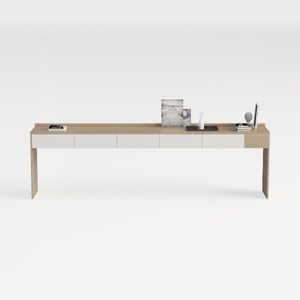

Minimalist Solid Wood Two Tone Console Table With Storage Drawers 3D Model

Rustic Solid Wood Console Table With Storage Drawers 3D Model
Homestyler is the ideal platform for anyone looking to transform their space effortlessly. With its user-friendly online design tool, stunning 3D rendering, diverse design projects, and helpful video tutorials, you'll unleash your creativity and achieve your dream home in no time!
Progetta ora GRATIS
































