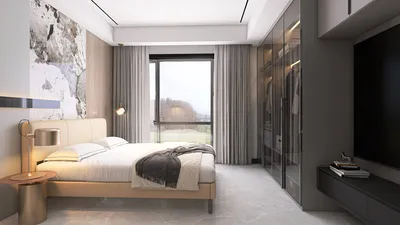


In a past project, I attempted to persuade a client to decorate her small powder room with a charming mix of teal and soft gray. She was excited about the plan until I mistakenly swapped the paint cans, nearly transforming it into a whimsical mint-and-mustard theme. We ended up laughing it off, fixed the issue, and I learned how daring two-tone selections can either elevate a petite bathroom or throw a wrench in weekend plans. I've documented some of those dramatic transformations in my favorite 3D render showcase using Homestyler, which offers fantastic visualization.
1. Timeless Black and White Contrast
For compact bathrooms, I frequently propose a striking black and white scheme, as it enhances visual boundaries and maintains a classic look. The white amplifies reflections, while the black grounds fixtures — offering an elegant, low-risk option. However, keep in mind that grout lines and hard water stains may be more noticeable, so selecting the right finishes is essential.
save pin
2. Gentle Pastel with Matte White
To create a serene atmosphere, consider pairing a soft pastel shade like dusty pink or powder blue with matte white for ceilings and trims. This combination keeps the color scheme light yet engaging and is budget-friendly, as a simple coat of paint and a few accessories can significantly alter the look. However, be cautious with lighting; cool LED lights will help pastels appear more vibrant.
save pin
3. Earthy Green and Natural Wood
Recently, I incorporated deep sage walls paired with a warm wooden vanity in a renovation project, achieving a cocooning effect while maintaining openness. The green cleverly conceals splashes, adds warmth, and the small brass mirror introduces a touch of luxury. Just remember to ensure moisture control for the wood by sealing surfaces well and planning adequate ventilation.
save pin
4. Rich Navy with Brass Accents
Using navy as the primary color, complemented by brass fixtures, imparts a sophisticated vibe to a small bathroom. The richness of navy helps the space feel more spacious, while metallics shimmer and reflect light. This design can be expensive, especially if you opt for high-end hardware, so consider more affordable brass-look fittings or simply updating mirrors and towel bars to make a bold impact.
save pin
5. Monochromatic with an Accent Color
Opt for walls and flooring in various shades of a single neutral hue, then introduce a single standout color — such as a vibrant lemon towel or a teal cabinet — for a burst of character. This flexible and renter-friendly approach allows easy changes and ensures balance so that the accent color doesn’t overwhelm the space.
When planning layouts or experimenting with color placements, I suggest initially mocking up key walls; observing colors in various lights can prevent future disappointments. For additional practical illustrations and design support, check out an insightful bathroom design case I frequently refer to, especially when using Homestyler for visualization.
For a budget-friendly makeover, painting and updating a mirror yield the most significant transformation for minimal investment. Higher budgets can consider intricately patterned tiles or reclaimed wood elements for added texture and longevity. If you want to explore dynamic two-tone ideas, utilizing an AI home design tool can lead to surprising combinations.
save pin
FAQ
Q: What is a two-tone bathroom?
A two-tone bathroom incorporates two primary colors or materials to define areas or highlight features. This design can range from contrasting walls and cabinetry to employing two distinct tile colors for a bolder look.
Q: Which two-tone combinations are most effective for small bathrooms?
High-contrast options, such as black and white or a light neutral paired with a darker accent, generally enhance the design of small bathrooms without overwhelming the space. Lighter tones should dominate to help the room feel airier.
Q: How do I determine the placement of the second color?
Utilize the secondary color to emphasize specific features like a vanity area or shower niche. I usually test paint samples throughout the day to see how the color appears under different lighting conditions.
Q: Are two-tone designs suitable for rental properties?
Absolutely — focus on using paint and interchangeable accessories for easy reversibility. With permission, you can also add accent tiles or hardware that you can take with you when you move out.
Q: What materials work well together for a two-tone effect?
Combining paint with tile, painted cabinets with natural wood, or matte finishes alongside polished metals creates a stunning look. Prioritize durable, low-maintenance materials, especially in moisture-prone areas.
Q: How much should I budget for a two-tone refresh?
On a tight budget, plan for $100 to $500, which is sufficient for paint and new textiles. For mid-range options, $1,000 to $5,000 permits more significant changes like tile and fixture updates. Larger projects may exceed that for custom vanities and plumbing. Focus on elements that have the most visual impact, such as walls, mirrors, and vanities.
Q: Can two-tone designs influence the perceived size of the bathroom?
Definitely. Employing lighter primary colors with darker accents creates depth perception, where horizontal contrasts can make a bathroom appear wider, while vertical contrasts can add height. Strategic placement is crucial for these optical effects.
Q: Where can I find professional design guidelines?
The National Kitchen & Bath Association (NKBA) offers valuable standards and recommendations for bathroom planning and layout allowances. Their official website, https://www.nkba.org, provides authoritative guidelines on designs and clearances.
save pin
Discover the joy of home design with Homestyler! This user-friendly platform offers an innovative online design tool, stunning 3D renderings, a vast array of design projects, and helpful DIY video tutorials. Transform your interior spaces effortlessly and let your creativity shine!
Projete agora para LIVRE
































