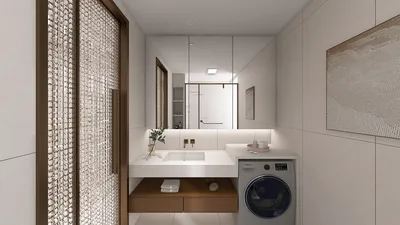


I have transformed numerous traditional showers into reliable steam environments for clients seeking spa-like relaxation without the need for a complete bathroom renovation. A successful DIY steam shower conversion requires an airtight enclosure, effective moisture control, and an appropriately sized steam generator. Key comfort features like lighting, seating, and controls elevate the area from simply "hot and wet" to genuinely rejuvenating, particularly with the help of design tools like Homestyler.
Steam affects indoor comfort uniquely compared to a typical hot shower. The WELL v2 standards recommend that relative humidity levels remain below 60% in occupied spaces to prevent mold growth, so it is crucial that your steam area is well-contained and properly ventilated after use. In terms of lighting, conventional bathroom fixtures are typically designed based on IES recommendations at around 500 lux near mirrors; however, within the steam enclosure, aim for lower, adjustable brightness levels (approximately 150–250 lux) to minimize glare and enhance visibility while the steam is dense. These guidelines naturally influence both the enclosure's design and lighting selection.
The ergonomics of the seating play an essential role in how long you can comfortably enjoy the steam. Research from Herman Miller regarding seated postures indicates that maintaining neutral hip and knee angles ranging from 90 to 100 degrees minimizes strain, which is particularly beneficial for steam benches: a seat height of 17 to 19 inches (43 to 48 cm) with slight back support facilitates relaxation for 10 to 20 minutes. Ensuring surfaces are warm but not scalding is vital; thus, incorporating steam generator controls that provide exact temperature regulation and timed cycles can reduce risks.
Begin with the Enclosure Planning
Containment is critical. A steam-ready shower requires full-height walls and a steam-rated door that seals tightly, along with a properly sealed ceiling (either flat or slightly sloped at about 1 to 2 inches per foot to prevent condensation). If your existing stall is open at the top or features a loose curtain, you will need to integrate a framed or frameless glass panel system with gasketed door hardware. Every wall penetration (for fixtures, niches, and electrical points) should be thoroughly sealed. To test the layout—especially in compact bathrooms—utilize a room layout tool such as Homestyler to visualize glass panel dimensions and door swing before making a purchase.
room layout tool
Selecting the Right Steam Generator
The sizing of the steam generator is determined by the enclosure's cubic footage and the materials used. Materials like tile, stone, and glass necessitate more power compared to lighter materials like acrylic or fiberglass. To determine the enclosure volume (length × width × height), apply relevant multipliers based on the density of your materials. Choose a generator equipped with automatic flush capability, descaling cycles, over-temperature safety features, and a remote control option. It’s advisable to mount the unit in a ventilated, accessible area such as a nearby closet or vanity base, never within the steam enclosure itself. Position the steam head 6 to 12 inches above the floor and ensure it is safely distanced from seating to prevent direct exposure.
Seal and Create a Waterproof Environment
Steam is an unrelenting element. Specify a continuous vapor barrier behind your wall finishes and look for membranes specifically designed for sustained steam room use. Every seam, corner, niche, and ceiling transition requires appropriate banding and compatible sealants. Remember, standard grout does not serve as a vapor barrier; instead, consider using epoxy grout or high-performance grout in conjunction with a penetrating sealer. Ensure that door gaskets and sweeps are rated for steam application. Anticipate extended curing times for membranes and installation materials; any haste during this stage can lead to mold and delamination.
Ventilation and Post-Steaming Purging
To maintain acceptable levels of humidity in accordance with WELL v2 comfort guidelines (keeping RH generally below 60% in occupied areas), establish a purging routine. After a steam session, open the door and operate an exhaust fan that is ducted to the exterior for 20 to 30 minutes. Utilizing a fan equipped with a humidistat or a wall timer will streamline this process and help prevent moisture from lingering in the air. Avoid placing any fan inside the steam enclosure; it should be situated just outside in the primary bathroom area.
Optimized Lighting for Steam Environments
Steam increases glare and diffuses light. Select damp- or wet-rated, IP-rated recessed fixtures or caged surface lights fitted with diffusers. Utilize warm-white lamps with a color temperature of 2700 to 3000K to foster a calming environment; cooler hues can convey a sterile feeling amid the vapor. Implementing dimmer controls can help achieve light levels of around 150 to 250 lux inside the enclosure, which fits comfortably within the softer ambiance of spa settings while ensuring safety on slippery surfaces.
Comfortable Ergonomic Seating and Surfaces
I design benches with a height of 17 to 19 inches, a depth of 14 to 16 inches, and rounded edges for both comfort and easy maintenance. Including a slight backrest can enhance the experience. Thermal mass is important; while stone offers a luxurious feel, it requires a more powerful generator and can become excessively hot, whereas porcelain tile with a foam-core bench is lighter and heats more uniformly. Surfaces that are non-slip (with a DCOF of 0.42 or higher when wet) are crucial for reducing fall hazards, particularly when condensation accumulates.
User Controls, Safety, and Overall Experience
Position controls at chest height near the entrance, not alongside the steam head. Opt for a digital unit that features set temperature, session duration, and automatic flushing capabilities, as the investment is worthwhile. If your generator accommodates it, install a ceiling-mounted temperature sensor. Set preconfigured sessions to last between 10 and 15 minutes with a cool-down portion afterward. Also, provide a hand shower with cool water for quick rinse-offs and to regulate temperature. If you enjoy splash rituals, keep a wooden or resin ladle away from direct steam yet avoid using metals that heat up quickly.
Material Selection and Detailing
Choose low-VOC sealants and adhesives to minimize off-gassing under heated conditions. Epoxy grout is excellent for preventing staining and moisture infiltration. For walls, large-format porcelain tiles can lessen grout line visibility, while slip-resistant mosaics provide necessary traction. For the appearance of wood, consider porcelain “wood” tiles that are suitable for wet areas. Stainless fixtures (316 grade) are more resilient to continuous moisture than regular brass options in steam environments.
Acoustic and Psychological Comfort in Steam
Steam sessions are more restorative when the space cultivates a serene atmosphere. Soft finishes outside of the enclosure—such as bath mats, curtains, and textured paint—can absorb sound, contributing to a tranquil space. Using warm color schemes (subtle terracottas, taupes, and muted greens) has been shown to alleviate stress; the connection between color and emotional health is well documented in studies by Verywell Mind. If inclined toward chromotherapy, consider small, indirect RGB lighting accents, but keep your primary task illumination warm and consistent.
Step-by-Step DIY Preparation List
- Measure the volume and select a generator sized according to material load.
- Implement or enhance vapor barriers and waterproofing throughout walls and ceilings.
- Install a steam-rated glass door alongside a sealed ceiling that has a slight slope.
- Execute dedicated electrical arrangements as per the generator’s specifications (consult a qualified electrician when necessary).
- Connect cold water supply with an isolation valve; include a plan for a drain if your system has automatic flushing capabilities.
- Position the steam head low and away from seating, and install the controller outside of direct water exposure.
- Utilize wet-rated, dimmable lighting while keeping drivers outside of the steam enclosure.
- Construct an ergonomic bench featuring non-slip surfaces.
- Conduct leak tests and seal all penetrations; ensure materials are fully cured.
- Create a post-steam purge routine using an exterior-ventilated fan on a timer.
Common Mistakes to Avoid
- Using undersized generators for installations with stone or extensive glass.
- Skipping the vapor barrier behind tiles, presuming grout alone suffices.
- Implementing flat ceilings without a slope, which leads to drips on the shoulders.
- Positioning the steam head too close to seating or controls.
- Failing to use adequate door seals, resulting in heat and humidity loss.
- Choosing harsh, cool lighting that creates glare in the steam.
- Neglecting a purging routine which invites lingering dampness and mold risks.
Maintenance Routine
Regularly drain and flush the generator following the manufacturer's guidelines, especially in areas with hard water. Utilize a squeegee to clean the glass after each session and wipe down gaskets to ward off mildew. Inspect grout lines every quarter and refresh sealers at least once a year. Replace door sweeps when they begin to lose their elasticity. It's advisable to keep a hygrometer in the bathroom to monitor humidity levels, ensuring they drop below 60% after the purge.
Common Questions
Size the generator to the cubic footage of your enclosure, making adjustments for material types. Dense materials like stone and glass require more power; manufacturers often provide multipliers—opt for a larger size if you’re near the threshold.
Absolutely. Employ a steam-rated glass door equipped with continuous gaskets and a secure sweep. Regular shower doors may leak steam and fail to retain heat effectively.
Avoid placing a fan inside the steam area. Instead, position a vented fan outside to run a purge cycle lasting 20 to 30 minutes after each session, which helps maintain humidity levels below the recommended 60%.
Select wet-rated, dimmable fixtures fitted with warm 2700–3000K bulbs. Ensure that drivers and junction boxes are kept outside of the steam enclosure, targeting softer light levels (approximately 150–250 lux).
Maintain a seating height of 17 to 19 inches with a depth of 14 to 16 inches for comfortable postures during 10 to 20 minute sessions.
Yes, however you must install a sealed ceiling and steam-rated door/panels. Without proper containment, the generator will struggle, and excessive humidity will permeate the bathroom.
No. Install a continuous vapor barrier membrane behind your finishes. Utilize epoxy or high-performance grout plus a sealer to ensure durability.
Position the steam head 6 to 12 inches above the ground, located away from seating and controls to avoid direct steam contact and lessen condensation drips.
Choose a generator that features an automatic flushing or descaling cycle. Periodically descale according to the manufacturer’s instructions and consider using an inline filter to minimize mineral deposits.
Soft, indirect colored lighting can enhance the atmosphere, yet keep your primary lighting warm and consistent. If you introduce RGB lighting, limit its intensity to avoid glare within the steam.
Utilize conservative temperature settings, set short session durations, and ensure non-slip flooring is in place. Provide a hand-held shower for quick cooling and avoid subjecting skin to direct steam exposure.
Limit the use of heat- and moisture-resistant materials or composites. Most individuals prefer either porcelain or stone with low-VOC sealants for their durability and hygiene benefits.
Built on technology originally developed at Autodesk, Homestyler empowers anyone to design beautiful, realistic spaces in minutes. Join over 18 million users who have already discovered a smarter way to plan, visualize, and bring their dream homes to life — all from the comfort of a browser.

Bohemian Natural Rattan Woven Pendant Lamp 3D Model

Minimalist Solid Wood Pleated Fabric Shade Floor Lamp 3D Model


Modern Minimalist Solid Wood Metal Curved Coat Rack 3D Model
Homestyler is your go-to platform for home design, combining an easy-to-use online design tool with stunning 3D renderings. Explore diverse design projects and enhance your skills with engaging DIY video tutorials. Unleash your creativity and transform your space effortlessly!
Design jetzt kostenlos
































