


Utilizing 3D wallpaper can truly transform a transitional hall into a unique spatial experience. In narrow circulation zones, the impression of depth is crucial, possibly even more than the actual dimensions, as carefully selected patterns can effectively widen a corridor, guide traffic, and establish a focal point. Achieving the right balance between pattern scale, quality of light, and ergonomics is essential to create a welcoming atmosphere without feeling cramped. Embracing tools like Homestyler can aid in visualizing these transformations.
To optimize depth illusions, it's essential to pair them with effective lighting and human-scale proportions. According to guidelines from the IES, general ambient lighting in corridors should range from 100 to 200 lux, while controlling glare is key to ensuring safe passage and visual comfort. The WELL v2 standards also stress the importance of managing glare and using appropriate color rendering to enhance health and visual clarity in circulation spaces, which helps maintain the sharpness of 3D textures without causing discomfort. Research from Verywell Mind indicates that color psychology plays a role as well—cool tones tend to evoke feelings of tranquility and spaciousness, whereas warmer shades add vibrancy, making them useful for setting the mood in a home.
The Impact of 3D Wallpaper on Spatial Awareness
In bustling areas, the rhythm of patterns should facilitate movement and visually adjust perceptions of space. Large geometric illusions such as trompe-l’œil arches or receding grids can elongate a compact hall, while lateral stripes can create the illusion of wider walls. I typically position the most dominant pattern on the longest uninterrupted wall and soften it with solid colors or subtle textures on the opposite side to maintain visual harmony. This method aligns with human visual preferences, which favor clear lines of sight over competing focal points.
Lighting: Flatness vs. Phenomenal Illumination
The effectiveness of 3D wallpaper relies significantly on contrast and shadows. For optimal results, layer lighting in three tiers: wall washing for uniform brightness, accent lighting to highlight micro-textures, and ambient ceiling lighting to prevent hot spots. Consistent color temperature is crucial, ranging from 2700 to 3000K for a warm, inviting essence, or 3500 to 4000K for a modern clarity. Managing glare is particularly important with glossy wallpapers; using angled sconces or diffused linear LED lights can help minimize reflections, ensuring details remain visible. Following WELL v2 lighting principles can further enhance glare reduction and improve color rendering; referring to IES standards will help adjust illuminance for secure and pleasant circulation.
Selecting the Appropriate Pattern Scale
The scale of your wallpaper significantly influences comfort levels. For narrower halls (under 1.2 meters), opt for micro-relief patterns or small geometric designs that maintain clarity from close viewing distances. In moderate-width halls (1.2 to 1.8 meters), medium motifs like 3D cubes or tessellations offer immersive experiences without feeling crowded. For spaces wider than 1.8 meters, bold architectural trompe-l’œil elements, such as faux niches or vaulted shapes, can add drama. Look for a clear figure-ground relationship so that the illusion holds true from various perspectives.
The Role of Color Psychology in Setting the Mood
Colors set the tone even before entering the living space. Calming blues and desaturated greens can foster a peaceful atmosphere, which is particularly advantageous in busy households, while warmer hues like rusts and terracottas can convey energy and hospitality near entry points. Very dark shades can create a glamorous feel but require more lumens to maintain contrast. By referring to color psychology insights from sources like Verywell Mind, you can align emotional responses with functional needs, particularly if your hall serves as a display or reception area.
Choosing Materials with Functionality in Mind
Select wallpaper materials according to the expected foot traffic. Vinyl-coated or nonwoven substrates are durable and easy to clean, making them suitable for high-traffic zones. If acoustics are a concern—especially in hard-surfaced corridors—consider nonwoven backings and textured embossing to slightly absorb sound, complementing soft flooring and door seals. Sustainability should be a priority, so opt for low-VOC inks and suppliers who offer transparent material information; durable surfaces can reduce the need for frequent replacements.
Installation Considerations and Layout Planning
The strategy for pattern repeats and seams is critical for the overall illusion. When installing, measure accurately and conduct a dry layout to ensure patterns align seamlessly across doors and corners. If your hallway leads to a stairwell or foyer, think about how the design transitions at key sightlines. Using a room layout tool like Homestyler can assist in visualizing pattern placements around doors, niches, and turns.
Balancing Texture with Furnishings
Minimize trim, frames, and storage units so the wallpaper appears as a cohesive expanse. Ideal companions include sleek sconces, slender consoles, and neutral-toned runners. An abundance of protruding elements can disrupt the illusion and introduce visual clutter. I aim for a 60/40 ratio: 60% uninterrupted patterned area and 40% subdued solids.
Popular 3D Wallpaper Trends for 2024–2025
- Architectural trompe-l’œil: simulated alcoves, stone blocks, and stacked timber provide depth without actual construction.
- Parametric geometries: honeycomb patterns, isometric cubes, and moiré wave designs that create movement as you pass by.
- Soft-relief textures: linen embossing, micro-pleats, and shadowed stucco visuals offer a nuanced dimensionality.
- Nature-inspired abstractions: layered images of misty forests or dune gradients—biophilic elements that promote calmness and space expansion.
Maintenance for Longevity and Comfort
Choose washable finishes for hand-reach areas and contemplate installing protective rails where children or luggage might pass. Consistency in lighting over time is crucial; changing bulb temperatures can diminish your 3D effects. Regularly check seams to prevent lifting, especially in areas affected by HVAC drafts. Should you desire seasonal updates, modular panels or half-walls allow for refreshment without the need for comprehensive renovations across the corridor.
When to Opt for Subtlety versus Boldness
Subtle patterns are best for short halls, low ceilings, or heavily trafficked family spaces—small-scale designs feel more calming. Conversely, larger patterns are better suited for lengthy galleries or entryways where guests are likely to pause; larger designs provide a rewarding visual experience and create a signature touch. My guideline: if four to six meters of wall are visible, the space can accommodate a statement pattern.
FAQ
Q1: Can 3D wallpaper make a narrow hall feel even tighter?
A1: If the pattern emphasizes horizontal spread or utilizes soft gradients, it won't. Lateral geometries combined with light, cool shades can visually broaden corridors, especially with adequate wall washing at around 100 to 200 lux as recommended by IES lighting guidelines.
Q2: What color temperature is ideal for revealing 3D textures?
A2: A range of 2700 to 3000K will produce warm, inviting shadows; 3500 to 4000K will enhance geometric clarity in modern designs. Consistency in temperature throughout the corridor is crucial to maintain uniform contrast.
Q3: How can I prevent glare on shiny 3D wallpapers?
A3: Using diffused sconces or angled linear LEDs to graze the wall can help. Avoid positioning high-output downlights directly in front of reflective surfaces; WELL v2 recommendations on glare control align with this strategy.
Q4: What scale of pattern is best suited for a short hall?
A4: Small to medium scale patterns ensure clarity at close distances and minimize visual overcrowding. Larger trompe-l’œil elements require sufficient viewing distance to interpret correctly.
Q5: Do textured wallpapers offer any soundproofing benefits?
A5: They can provide slight benefits. Embossed and nonwoven backs help diffuse high-frequency sounds, especially when used with soft runners and door seals, though they cannot replace dedicated acoustic treatment.
Q6: How do I manage seams around doors and corners during installation?
A6: Begin layout at the most prominent wall, ensuring key motifs are centered away from visual interruptions. Dry-fit panels and adjust so the patterns align at less noticeable edges; utilizing a layout simulation tool can aid in visualizing these placements.
Q7: What maintenance is necessary for 3D wallpaper?
A7: Expect to perform routine dusting, spot-cleaning with approved techniques, and regular seam examinations. Opt for washable finishes in high-contact zones and maintain consistent bulb specifications to sustain the 3D effect.
Q8: Is it possible to make 3D wallpaper work in areas with low ceilings?
A8: Absolutely; choose vertical gradients or gentle upward patterns to create an illusion of height. Keep crown moldings minimal and avoid heavy overhead lighting that may weigh down the room.
Q9: Is it safe to use a striking 3D pattern near staircases?
A9: It can be eye-catching, but caution is necessary: avoid high-contrast designs at stair risers or landings that could distract attention. Use patterns on adjacent walls and maintain clear illumination for stair visibility.
Q10: How can I coordinate artwork with my 3D wallpaper?
A10: Limit frames and select simple, high-contrast artworks that don’t detract from the wallpaper's pattern. Floating shelves or slim frames with ample negative space are the most suitable choices.
Originally incubated at Autodesk, Homestyler has grown into one of the most widely adopted home design platforms in the world, now trusted by over 18 million users. Whether you're a homeowner exploring ideas or a professional designer delivering client-ready renders, Homestyler brings industry-leading 3D technology to your fingertips — no experience required.
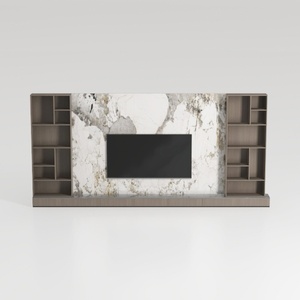
Modern Marble Solid Wood TV Wall Unit With Bookshelves 3D Model

Minimalist Sage Green Solid Wood Round Side Table 3D Model
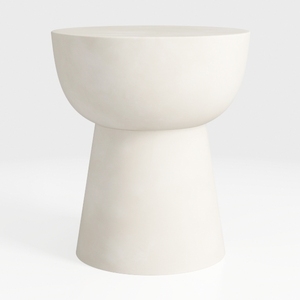
Minimalist Modern Solid Concrete Round Side End Table 3D Model
Looking to transform your home design vision into reality? Homestyler is your go-to platform! With a user-friendly online design tool, stunning 3D renderings, inspiring design projects, and comprehensive DIY video tutorials, creating your dream space has never been easier. Start designing today!
Concevez maintenant gratuitement
































