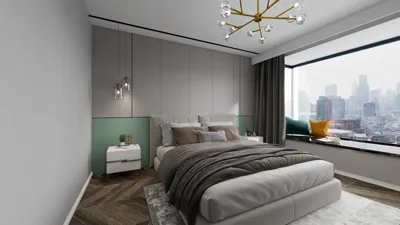


A single nature painting can dramatically transform the atmosphere of a living room in just minutes, softening sharp lines, enhancing the sense of space, and creating engaging conversation areas. When selected wisely, nature artwork becomes more than just a decorative feature; it harmonizes colors, establishes focal points, and promotes well-being. This is significant, considering that the WELL Building Standard emphasizes the importance of incorporating nature and visual connections for enhancing mental health and comfort perception. Concepts like Light and Mind also influence how we blend brightness, color, and views to achieve a refreshing ambiance. Research from Gensler further supports the correlation between well-designed, visually appealing environments and greater satisfaction plus reduced stress levels—highlighting that appropriate visual stimuli in homes can facilitate recovery from mental fatigue and stress. Incorporating tools like Homestyler can also assist in visualizing these changes effectively.
The colors chosen in nature art can notably affect both mood and the apparent size of a room. According to insights from Verywell Mind on color psychology, cool tones like blues and greens often evoke feelings of calmness and stability, whereas warm colors like reds and oranges tend to invigorate and draw the eye. For instance, a serene, misty landscape can temper a south-facing room bathed in warm sunlight, while a vibrant sunset painting might energize a north-facing area. Appropriate lighting strategies are crucial too. The Illuminating Engineering Society suggests that living spaces should generally maintain a light level between 100 and 300 lux, tailored to the tasks at hand, with art lighting being approximately 1.5 to 3 times brighter than the ambient light to create depth without overwhelming contrast.
Selecting the Appropriate Subject and Scale
I begin by considering the purpose of the room. For a living room intended as a peaceful retreat, I recommend horizon-centered landscapes, tranquil forests, or coastlines featuring expansive views. In contrast, lively communal spaces benefit from bold botanical prints or abstract nature-inspired designs that instill a sense of movement. The size of the artwork is paramount over mere style: typically, art displayed over a sofa should be about two-thirds the width of the sofa and hung with its center approximately 57 to 60 inches from the ground. Large, singular art pieces anchor minimalist spaces effectively, while gallery walls shine in environments with a variety of textures and hues.
Optimizing Color Temperature and Natural Light
The quality of natural light can alter color perception in a room. North-facing spaces often appear cooler and flatter, and incorporating warm-toned landscapes or golden-hour photographs can counterbalance that effect. Conversely, south-facing rooms flood with warm light, making cooler color palettes—like sea greens and slate blues—appear fresh and less visually overwhelming. If your artwork boasts warm tones, accompany it with neutral wall paint (Light Reflectance Value 60 to 70) to maintain clear reflections; if the artwork is cooler, warm white wall colors (LRV 70 to 80) may prevent a lifeless atmosphere. Consistent lamp temperatures should be maintained: 2700 to 3000K for cozy evenings, and 3000 to 3500K to achieve a vibrant daytime ambiance. Maintaining a Color Rendering Index of at least 90 ensures accurate depiction of natural elements like foliage and sky.
Illuminating Artwork Without Causing Glare
Glare can diminish the texture and color richness of artwork. I typically position track or ceiling lights at a 30-degree angle to minimize reflections and provide uniform illumination. Aiming for an accent-to-ambient ratio of about 2:1 creates a cozy living space—sufficiently highlighting the artwork without turning it into a spotlight feature. When using picture lights, selecting low-glare optics along with dimmable drivers is advantageous. It’s wise to protect the canvas from direct afternoon sunlight to prevent fading; UV-filter glazing or museum-quality glass can safeguard color integrity while minimizing reflections. Aim for a luminosity of 150 to 250 lux in the evening and around 300 lux during the day on the artwork to maintain visual interest.
Composition: Aligning Sightlines, Rhythm, and Balance
Nature paintings are most effective when they extend or redirect the lines within a room. A wide horizontal seascape can visually broaden a narrow wall, while a tall forest painting can create the illusion of higher ceilings. Observing the main entryway into the living room helps determine optimal placement for the central piece—often directly across from the entrance or above the main seating area. Introduce rhythm by incorporating the artwork’s dominant color into one or two soft elements (like a throw blanket or vase) and using its complementary color in smaller accents to avoid overwhelming matchiness. Maintain a distance of 8 to 10 inches between the artwork and the back of the sofa for an inviting appearance.
Materiality: Frames, Finishes, and Acoustic Benefits
Frames are not merely decorative; they also bridge the gap between art and the surrounding architecture. Slim black metal frames complement contemporary designs with matte black fixtures, while warm oak frames match well with mid-century or Scandinavian styles, and gilded or patinated bronze adds sophistication to formal spaces. Art presented on canvas without glass reduces reflections; conversely, framed pieces need anti-reflective glass to enhance viewing. Larger, textured fabric artworks or tapestries can provide additional acoustic comfort by absorbing mid to high-frequency sounds, which is particularly beneficial in rooms with hard flooring and large glass surfaces. To minimize echo, combining artworks with wool rugs and soft drapes may be helpful.
Curation of Themes: Biophilic Elements with Originality
Biophilic design doesn’t have to be cliché. Combining realistic landscapes with abstract nature representations—such as intricate leaf patterns or topographical maps—can introduce depth. Limiting the color palette to three or four families throughout the room preserves aesthetic coherence. In minimalist spaces, a striking, contrasting photograph can serve as a powerful organic accent, while in richly detailed environments (like those featuring stone or wood textures), gentle watercolor botanical illustrations can help avoid visual clutter.
Quick Impact: Strategies for Art Placement in Various Room Sizes
In a smaller room, focusing on one large artwork centered over the sofa can create a calm aesthetic and visually expand the wall. In a narrow room, selecting a panoramic landscape alongside a low, wide console can enhance the perception of width. In larger rooms, a focused trio—main artwork, a complementary floor lamp, and a textured plant (like an olive or ficus)—can effectively merge two-dimensional and three-dimensional natural elements. For experimenting with different designs, an efficient interior layout planner like Homestyler allows for previewing scales and sightlines before making permanent changes.
Applying Color Psychology Effectively
• Calm retreat: coastal blues and greens, soft greys; pairing with natural linen and bleached oak along with 2700K lighting creates tranquility.
• Social hub: warm botanicals and terracotta accents; using dim-to-warm lamps that transition from 3000K to 2200K fosters a welcoming atmosphere.
• Creative zone: saturated moss, deep teal, or stormy shades can promote focus; high contrast with crisp white mats and 3500K ambient lighting is key.
• Family room: gentle pastels or sunlit meadow themes; prefer diffuse lighting options and rounded frames for a softer, kid-friendly appearance.
Hanging Heights, Arrangements, and Safety Considerations
Centering art at about 57 to 60 inches is suitable for singular pieces; lower to 54 inches if viewers are predominantly seated. For gallery walls, establish a baseline and build out from a central focus, maintaining 2 to 3 inches between frames for visual harmony. Ensure to use appropriate anchors depending on your wall type; heavier pieces should be mounted on wall studs or with toggle bolts. Maintain a clearance of 12 inches above heat sources and avoid areas prone to HVAC drafts to prevent strain on frames and canvases.
Care and Maintenance for Longevity
Regularly dust frames with a microfiber cloth and steer clear of cleaning sprays near the artwork. Maintaining humidity between 40 and 60 percent helps prevent canvas warping. Changing the artwork seasonally brings freshness to the room’s feel and diversifies light exposure. For original pieces in your collection, make sure to keep documentation regarding materials since the type of paint (oil vs. acrylic) influences cleaning and preservation methods.
FAQs
Q1. How wide should a nature painting be above my sofa?
Aim for a width approximately two-thirds that of the sofa. If your sofa measures 84 inches, a piece around 56 inches wide will maintain visual balance. Hang it with the center at roughly 57 to 60 inches from the floor.
Q2. What color scheme calms an active living room?
Cool greens and blues, as supported by color psychology studies, are effective for promoting calmness; coupling them with neutral and soft textures lessens visual clutter.
Q3. What’s the ideal brightness for art lighting?
Maintain accent lighting at about 1.5 to 3 times the level of ambient illuminance. In living areas at around 100 to 200 lux ambient light, setting artwork illumination to 150 to 300 lux creates depth without strain, aligning with IES recommendations for residential comfort.
Q4. Can a large nature painting make my small room feel even smaller?
A large piece, when proportioned properly, can mitigate clutter and visually expand vertical space, especially when featuring horizontal views or distant perspectives.
Q5. Should forest landscapes be lit with warm or cool light?
Match the dominant tone of the painting: cooler forest scenes benefit from illumination at 3000 to 3500K for crisp greens, whereas warm autumn landscapes glow best with 2700 to 3000K lighting while ensuring a CRI of 90 or above for true foliage representation.
Q6. How can I avoid glare on glossy prints?
Utilizing a 30-degree lighting angle, anti-reflective glazing, and matte paints opposite the artwork, along with avoiding direct light from windows, greatly reduces glare.
Q7. Which frame finish works best with mixed metals in my living space?
Dark bronze or black frames can elegantly complement mixed metals. Should warmth be a theme, opting for natural wood tones that reflect the room’s flooring or furniture can enhance coherence.
Q8. Can nature-themed art positively influence acoustics?
Textile-based artworks, canvas pieces without glass, and thicker substrates can absorb some high-frequency sounds. Pairing with rugs and window treatments tangibly reduces echo in spaces with hard surfaces.
Q9. Is it preferable to create a gallery wall or to showcase one large piece?
For a serene aesthetic, a large singular piece often prevails. Gallery walls are better suited for diverse spaces or where multiple smaller works tell a story—when doing so, keep spatial arrangements tight and color schemes cohesive.
Q10. How can I harmonize plants with nature art without creating clutter?
Select one prominent plant that mirrors forms or colors from the artwork and arrange it within the same visual area, ensuring ample negative space around both the art and the greenery.
Q11. Does sunlight adversely affect my painting?
Yes, direct UV exposure can fade paints and damage substrates. Using UV-filter glazing, closing shades during peak sun hours, and avoiding prolonged exposure will help protect your artwork.
Q12. What’s a quick method to preview placement before hanging?
Using painter’s tape to outline dimensions on the wall or utilizing an interior design visualization tool like Homestyler allows for testing scale and positioning digitally before making any drill holes.
Originally incubated at Autodesk, Homestyler has grown into one of the most widely adopted home design platforms in the world, now trusted by over 18 million users. Whether you're a homeowner exploring ideas or a professional designer delivering client-ready renders, Homestyler brings industry-leading 3D technology to your fingertips — no experience required.
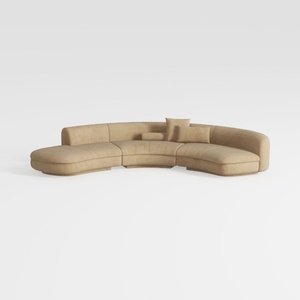
Minimalist Beige Fabric Curved Sectional Sofa 3D Model
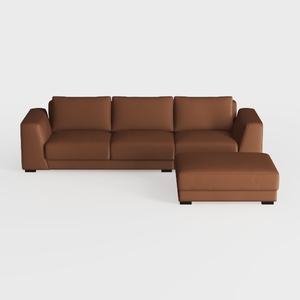
Minimalist Brown Leather L-shaped Sectional Sofa with Ottoman 3D Model

Minimalist Solid Oak Coffee Table Rounded Edge 3D Model
Homestyler is your go-to online home design platform. Its user-friendly design tool allows you to create stunning spaces with ease. Explore an extensive collection of 3D renderings and engaging video tutorials to inspire your next DIY project. Transform your home today!
Design Now for FREE
































