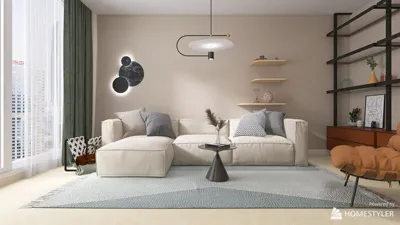


Over the years, I've lost track of the number of living rooms I've transformed using just a well-crafted wooden bench. This seemingly simple addition quickly evolves into a central gathering point for extra seating, smooth movement, and overall visual harmony. Recent studies endorse the importance of multi-purpose furniture design: research from Steelcase indicates that environments that promote choice and versatility tend to enhance user comfort and engagement. This principle is particularly applicable in home settings where furniture must gracefully transition from relaxation to entertaining duties. Additionally, the WELL v2 framework supports the creation of adaptable spaces that foster comfort and functionality in various scenarios—crucial when a single piece of furniture has to serve multiple roles throughout the day.
In terms of ergonomics, a bench that measures between 17–19 inches in height is ideal for helping most adults maintain a neutral hip angle, aligning with human factors benchmarks and typical seating standards at home. Regarding lighting, the Illuminating Engineering Society (IES) suggests that living areas should achieve 100–300 lux; positioning a bench within this range—under soft ambient light and avoiding harsh brightness—enables users to read, chat, or put on shoes without straining their eyes. By grounding these selections in tangible evidence and practical applications, a bench can emerge that not only visually integrates but also serves its purpose effectively for many years to come.
Design Intent: Define the Function of the Bench
I always start by identifying the bench's main purpose. Is it meant to be a welcoming spot by the entrance, a substitute for a coffee table, an efficient dining extension, or a stylish companion to the media? Each intended role will influence its height, width, finish, and additional features. For hosting, a 48–60 inch bench effortlessly tucks under a console and is ready to be pulled out when guests arrive. For everyday use, a seat depth of 14–18 inches with a slightly rounded edge ensures comfort for short to medium use. If you're trialing placements or measuring space layouts, utilizing a room layout tool, such as Homestyler, can help you establish clearances and movement patterns effectively.
Proportions, Scale, and Visual Harmony
A bench should possess visual presence without dominating the space. As a general guideline, its length should span two-thirds to three-quarters of the adjacent sofa's length. A seat depth of 14–18 inches is suitable for compact spaces, while 18–20 inches fits more relaxed settings where users may lounge with a tray or cushion. It is advisable to allocate 12–18 inches of clearance around the bench to facilitate movement. In smaller rooms, even reducing depth by an inch can be beneficial; in larger spaces, a wider, flat-style bench can complement taller artwork or an extensive media wall.
Material Selection and Finish Choices
Choosing the right material is vital for durability and atmosphere. Oak (both white and European) provides a consistent grain and outstanding resilience; walnut adds warmth and contrasts beautifully with neutral fabrics; ash presents a lighter, more contemporary grain suited to Scandinavian styles. In family areas, I recommend robust finishes—hardwax oil or low-VOC polyurethane—to withstand wear and the occasional spill. It’s important to prioritize sustainable sourcing: seek out FSC-certified materials and avoid overly soft species when the bench will be used frequently. Softened edges help minimize damage and offer a more pleasant tactile experience.
Understanding Color Psychology and Tone Coordination
The tone of the wood affects the overall sense of warmth and tranquility. Mid-tone woods typically create a welcoming atmosphere, while darker woods impart a more formal look. If a space leans cooler (such as with blue-grays or crisp whites), integrating warm walnut can counterbalance and prevent a clinical feel; conversely, in warmer schemes like beiges or terracottas, ash or light oak can keep the area feeling light and airy. Research on color and mood establishes that warmer tones foster comfort and friendliness—leveraging this can guide your wood selection in relation to dominant textiles and wall colors.
Comfort: Ergonomics Without Upholstery
Comfort can still be attained without a backrest. I typically look for a slight seat contour (3–5 mm) and a gentle curve. For frequently used benches, a 2–3 inch loose cushion with a non-slip base can enhance comfort without committing to permanent upholstery. Foot clearance is essential: ensure a setback of 2–3 inches beneath the seat edge to avoid contact with the apron. For children and older adults, a height range of 17–18 inches facilitates easier sitting and standing.
Structural Stability and Joinery
Benches endure considerable stress from sitting, bag drops, or acting as makeshift tables. I prefer the use of mortise-and-tenon frameworks or well-designed metal brackets hidden in the apron. For spans of 60 inches or more, adding a central support or using a torsion box top can prevent sagging. If the bench also serves as a plant stand, it's essential to accommodate point loads and protect the surface with breathable felt pads underneath planters.
Optimal Placement Scenarios
- Behind the sofa: A 10–12 inch gap creates a slim perch for guests and a staging area for items like trays or lamps.
- Under a window: Ensure the top remains at least 2 inches below the window sill for unobstructed operation of shades.
- Entry-living threshold: Place the bench where natural circulation pauses; a width of 42 inches accommodates movement in busy areas.
- Media wall companion: A low, elongated bench beneath artwork preserves clear sightlines and provides overflow seating without obstructing the screen visibility.
When finalizing these placements, employing an interior layout planner, like Homestyler, allows you to visualize clearances, perspectives, and proximity to lighting or outlets.
Lighting, Glare, and Micro-Zones
Ambient lighting around 150–300 lux is ideal for casual tasks; incorporating a shaded floor lamp can create a gentle pool of light at 200–250 lux for reading purposes. Avoid positioning the bench directly across from south-facing windows without sheer curtains, as direct glare can render the surface uncomfortable. In evening settings, utilizing 2700–3000K warm lighting solidifies the bench's role as a cozy seating area. When used under artwork, limit direct downlighting to reduce shadows on individuals; washing the wall with reflected light is much more effective.
Acoustic Comfort and Material Pairings
Wooden surfaces tend to reflect sound, so it's essential to complement the bench with soft materials—like a textile rug, curtains, or felt panels—to minimize sound reflection. If the bench is also acting as a coffee table, introducing a soft runner or cork tray liner can reduce noise from clinking mugs while safeguarding the finish.
Practical Storage Configurations
In limited spaces, benches with lift lids or shelf bases serve as discreet organizers. Keep under-bench storage shallow (8–10 inches in height) to maintain a tidy appearance. When utilizing a lid design, opt for soft-close mechanisms and ventilation gaps to avoid pressure buildup. In family rooms, I incorporate hidden cable cutouts in the back apron for charging needs—both neat and future-proof.
Design Trends for 2024–2025
- Slim Scandinavian: Light ash with rounded corners, matte oil finish, and paired with textured cushions.
- Japandi serenity: Low-profile, wide planks, visible tenons, with a neutral woven seat pad.
- Modern craft: Dark-stained oak with chamfered edges and integrated brass features at leg joints.
- Rustic-modern blend: Reclaimed oak top on powder-coated sled legs—combining warmth with clean lines.
These trends reflect a broader move towards calming minimalism and tactile authenticity, focusing on multi-use pieces that easily adapt between moments of solitude and social gatherings—echoing findings from workplace research by Steelcase and Gensler regarding adaptable environments.
Measuring, Testing, and Iteration
Prior to purchase, delineate the footprint with tape and live with the setup for a day. Assess knee room, bag drop zones, and how sunlight interacts with the bench’s surface. If it will be a focal point, confirm that the wood tone blends well with lighting in both daylight and evening—finishes can appear different under various light sources like 2700K compared to 4000K. If you desire swift trials of alternate placements or dimensions, using a room design visualization tool, like Homestyler, can aid in evaluating sightlines and flow.
Maintenance and Durability
Regularly dust with a soft cloth, employ pH-neutral cleaners, and reapply hardwax oil annually in high-traffic areas. Use discreet felt pads beneath decor items and rotate items to prevent shadowing and uneven wear. Minor dents in solid wood can often be restored using a damp cloth and warm iron—one of the reasons I advocate for solid wood over veneers for benches meant for daily use.
Respected Research and Recommendations
For adaptable, user-centered designs, I consistently refer to insights derived from Steelcase's studies on flexibility and user comfort, along with WELL v2 standards regarding comfort and lighting balance in both residential and work environments. These resources reinforce the concept that a versatile piece like a wooden bench can enhance daily routines when optimized for ergonomics, lighting, and overall flow.
FAQ
Q1: What’s the best height for a wooden bench in a living room?
A: Target a seat height of 17–19 inches. This range encourages a neutral hip angle and facilitates easy sit-to-stand actions for the vast majority of adults.
Q2: How long should my bench be in relation to the sofa?
A: Aim for a length that’s about two-thirds to three-quarters of the sofa’s length. This proportion ensures a visually appealing balance while maintaining circulation at each end.
Q3: Which wood types are best for durability?
A: Oak and walnut are excellent for their resilience and stable grain structure. Ash is also a solid choice as it is lightweight and durable. For frequent use, select hardwax oil or high-quality low-VOC polyurethane finishes.
Q4: Can a wooden bench serve as a coffee table?
A: Certainly. Opt for a depth of 14–18 inches and consider adding a tray for added stability. Ensure a clearance of at least 12–18 inches from the sofa for convenient movement.
Q5: How can I mitigate glare if the bench is located near a window?
A: Use sheer curtains or light-diffusing shades and aim for ambient lighting around 150–300 lux. Steer clear of direct glare caused by strong downlighting.
Q6: What are some clean storage options?
A: Consider benches with shelf bases and shallow baskets (8–10 inches tall) or ones with soft-close lift lids featuring vent holes for airflow. Concealed cable openings help keep chargers tidy.
Q7: How do I ensure good acoustics with a hard surface like wood?
A: Pair your bench with softer materials such as a textile rug, curtains, or felt pads to absorb sound. Adding a soft runner can help minimize noise if the bench serves a dual purpose as a table.
Q8: What finish provides a natural look while being stain-resistant?
A: Hardwax oil offers a tactile finish that can be repaired, whereas high-quality waterborne polyurethane provides enhanced stain resistance alongside a subtle sheen.
Q9: Is a backless bench suitable for longer sitting durations?
A: To increase comfort during longer use, a cushion of 2–3 inches is beneficial and ensure the edges are eased. Backless designs are most fitting for brief seating and social settings.
Q10: How should I check the bench placement before making a purchase?
A: Mark out the footprint with tape and live with it for a day. Assess walking spaces, sun exposure, and views. Utilizing a room layout tool can also help simulate various arrangements and movement flow.
Q11: What lighting color temperature showcases wood tones attractively?
A: Warm white lighting at 2700–3000K accentuates natural wood hues and keeps the atmosphere cozy during evening hours.
Q12: How often should I treat the finish on my bench?
A: Dust weekly, and refresh hardwax oil once a year in high-use homes. Sand and re-oil scratches as necessary; coasters and felt pads help prevent wear.
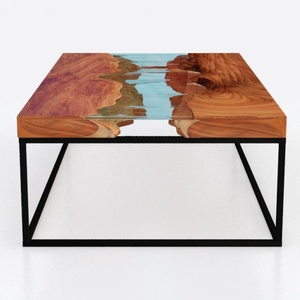
Custom 3D Waves Ocean Dining Table, Blue Ocean

Ergonomic Desk Chair with Swivel Rest, Comfortable
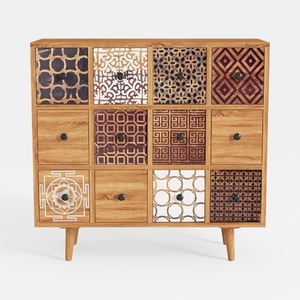
Best Choice Products 9-Cube Storage Organizer
Looking to transform your space? Homestyler offers an intuitive online design tool that makes home design fun and easy. With stunning 3D renderings, a plethora of design projects, and helpful DIY video tutorials, you can unleash your creativity and bring your vision to life effortlessly!
Design Now for FREE
































