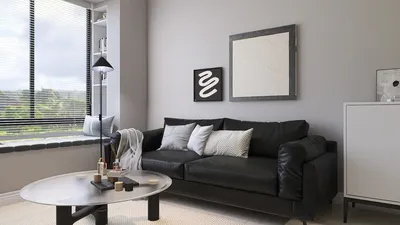


Floor cushions have transitioned from simple decorative pieces to essential, multifunctional seating options that cater to contemporary lifestyles—perfect for movie nights, reading corners, meditation, gaming, and extra seating during gatherings. In living spaces that emphasize adaptability, these low-profile cushions foster social interaction and a laid-back atmosphere without compromising aesthetics. Studies indicate that the ability to change posture in a space significantly impacts how individuals interact with and enjoy their environments: Gensler’s U.S. Workplace Survey reveals that homes designed with multiple seating options enhance comfort and effectiveness, highlighting the importance of low seating arrangements in a balanced living area.
It's essential to prioritize comfort and support in your design. The WELL Building Standard showcases the importance of having varied ergonomic options and postural changes for optimal comfort. Incorporating floor cushions introduces a grounded seating style to your living area. Additionally, lighting plays a crucial role: the Illuminating Engineering Society suggests aiming for 150-300 lux in casual settings, ensuring that floor-level reading spaces remain comfortable, minimizing eye strain while avoiding excessive brightness. For spaces designed around a floor-cushion gathering area or media setup, ensure the alignment of lighting and movement paths allows for ease of movement and reading comfort.
Design Intent: A Grounded Social Hub
At the floor level, individuals naturally form closer conversational groups and maintain better eye contact, enhancing communication. I often utilize cushions to create 'soft anchors' that draw attention to coffee tables, low benches, or a fireplace. This spatial adjustment reduces visual mass, making smaller living rooms appear more expansive while encouraging more thoughtful interactions. The key to success lies in balancing these low-profile pieces with a few taller elements—like vertical plants, slender lamps, or wall-mounted shelves—to maintain visual rhythm and prevent a flat appearance in the design.
Ergonomic Comfort: Thickness, Fill, and Support
It's important to recognize that not all floor cushions are created equal. For casual lounging, a thickness of 3–6 inches is ideal, while 6–8 inches works better for extended seating sessions. Cushions filled with firm, high-resilience foam and a soft outer batting strike a balance between support and plushness. For those seeking a meditative or cross-legged position, consider using a slightly domed cushion, like a zafu, that encourages an ergonomic pelvis tilt, relieving lumbar stress. If designing a reading corner, complement thicker cushions with a supportive back wedge or bolster to create an inviting nook. Always keep in mind the appropriate knee height and ease of movement for users to rise comfortably. Regularly rotating cushions will help maintain even fill and prevent wear on specific areas.
Color Psychology: Mood-Setting at Ground Level
Color significantly influences feelings of comfort and ambiance. According to research from Verywell Mind, warmer tones foster a sense of coziness and sociability, whereas cooler shades promote tranquility and concentration. In family areas, I often prefer warm neutrals accented with terracotta or ochre for an inviting feel. Conversely, serene spaces benefit from misty blues or sage paired with organic textures like linen and cotton. In creative environments, incorporating a subtle pop of color—such as cobalt or marigold—on select cushions adds vibrancy without overwhelming the overall palette.
Material Choices: Durable, Breathable, and Sustainable
When selecting cushion covers, choose materials that are not only durable but also breathable and easy to clean. Fabrics such as cotton-linen blends, performance velvet, and wool felt strike a balance between comfort and longevity. For homes with pets, textiles that feature stain-resistant treatments and tightly woven structures are advisable to prevent snags. Opting for removable, zippered covers can simplify maintenance. Whenever possible, select low-VOC foams, recycled fibers, and natural latex to improve indoor air quality and lessen environmental impact. Additionally, leather or cork-backed cushions offer effective grip on smooth floors while aging gracefully with use.
Acoustic Comfort: Soft Layers That Quiet the Room
Floor cushions serve an integral role in sound absorption. In spaces characterized by hard surfaces—such as wooden floors, expansive windows, and stone elements—plush cushions, together with rugs and throws, help mitigate echo and enhance clarity for conversation and media enjoyment. Strategically positioning cushions near key reflective surfaces (like across from large windows or close to open hallways) can effectively dampen sound without the need for heavy drapery throughout the room.
Layout Strategies: Zones, Flow, and Visual Balance
Thinking in terms of defined zones can vastly improve usability. I typically arrange a set of three floor cushions around a low table, fostering a flexible conversation space that's approximately 24–30 inches apart for easy access. A secondary cluster near a window with a lamp creates an ideal reading nook. Maintain a minimum of 36 inches for primary pathways to ensure guests can move freely without tripping over seating. If you're experimenting with various layouts or trying to fit cushions around existing sofas and media units, a layout simulation tool—like the one provided by Homestyler—allows for testing flow, adjacency, and sightlines prior to purchase.
Lighting at Low Level: Layered, Glare-Free, and Warm
Establish a foundational ambient light level around 200-300 lux using adjustable fixtures, then introduce task lighting through a floor lamp or wall sconce directed slightly downwards to avoid distractions at eye level from a seated position. A warm light spectrum (2700-3000K) usually creates the most inviting atmosphere in the evening, while around 3000-3500K is excellent for daytime tasks. Utilize opaque shades or diffusers, as direct LEDs positioned low can create harsh reflections on glossy surfaces—especially noticeable when seated on the floor.
Proportions and Rhythm: Scale That Makes Sense
Ensure that cushion sizes correspond harmoniously with the dimensions of your coffee table. A good rule of thumb is for the cushion's diameter or width to measure about one-third to one-half of the table’s width, facilitating easy reach for drinks and remotes. Mixing different shapes—two round with a square and a bolster—can create a rhythm, while repeating one color or texture throughout the room establishes visual cohesion between zones. In compact living areas, thin-profile cushions are ideal as they can be conveniently tucked beneath benches or console tables when not in use.
Safety and Practicality: Floors, Edges, and Maintenance
For smooth flooring, consider utilizing non-slip pads beneath area rugs and opt for cushions featuring textured or leather undersides for added stability. Avoid low tables with sharp edges that could present risks during weight shifts or leg stretching. For maintenance, attend to spills promptly; vacuum seams and tufted areas regularly to eliminate debris that could wear on fibers. Seasonal rotation of cushion covers—linen during hot months and wool or bouclé during colder periods—can help maintain both comfort and style in line with the seasons.
Styling Ideas: From Minimal Zen to Playful Layers
- Minimalist approach: two oversized felt cushions, a single oak tray table, and a paper lampshade.
- Family-friendly setup: a stackable set in machine-washable cotton, combined with a chunky-knit throw and an ottoman.
- Earthy modern: cushions with leather bases on a jute rug, featuring an olive tree and ceramic stool.
- Media lounge: thick foam cushions alongside a low upholstered platform, with bias-cut pillows for additional head support.
- Boho-chic: patterned kilim covers matched with a solid-color velvet to create a balanced visual flow.
How Many Do You Need?
For small living spaces, starting with three cushions and two bolsters offers convenience and ample seating for two to four guests. In larger areas, consider incorporating six to eight assorted sizes to allow for distinct zones. If your household often entertains, storing two additional cushions vertically in a cabinet ensures loft retention for unexpected guests.
Budget and Quality: Spend Where It Counts
Focus on securing high-quality foam, removable covers, and robust zippers. Allocate more budget to the primary cushion set that sees frequent use, and look for more budget-friendly options for secondary seasonal covers. If purchasing vintage finds, open seams to examine the filling, replacing it if necessary, while relining with ticking to prevent fibers from escaping.
Real-World Tip: Trial Before You Commit
I often create mock-ups using folded blankets and pillows to assess footprint and height before making a final order. Spend at least 15 minutes sitting in your usual positions—reading, on a laptop, or conversing—to ensure lumbar support and knee comfort are adequate. Afterward, finalize your shapes and quantities according to your desired aesthetic.
References for Deeper Guidance
Delve into research on posture variability and spatial efficiency at Gensler Research, along with comprehensive comfort guidelines under WELL v2, to understand the significance of ergonomic variety in seating. These insights can effectively translate visual designs into functional living spaces.
FAQ
Q1. What thickness is ideal for everyday floor seating?
A1. A thickness of 3-6 inches works well for casual lounging, while 6-8 inches are suited for prolonged sitting sessions. A firm foam core paired with a softer layer ensures lasting support and comfort.
Q2. Which fabrics hold up against children and pets?
A2. Durable performance weaves (tight microfiber, performance velvet) and cotton-linen blends with stain-resistant coats are ideal. Where possible, prefer removable and washable covers.
Q3. How should I light a reading nook with floor cushions?
A3. Aim for 200-300 lux ambient light with a warm tone of 2700-3000K, complemented by a shaded floor lamp or wall sconce that directs lighting away from direct eye lines when seated close to the floor.
Q4. Do floor cushions contribute to better acoustics?
A4. Absolutely. Their soft structure helps absorb mid to high frequencies, especially when combined with rugs and drapes, resulting in reduced echo and clearer sound.
Q5. What shapes work well together without cluttering the room?
A5. A combination of two round cushions, one square, and a bolster around a low table works harmoniously. Repeating a color or texture in another area adds unity.
Q6. Are natural fillings worth considering?
A6. Natural materials like latex, kapok, or wool are breathable and durable. While they might be more expensive, they help regulate temperature and integrate well with low-VOC interiors.
Q7. How do I maintain the loftiness of my cushions?
A7. Rotate cushions monthly, fluff them after use, and store them upright when not in service. For those filled with foam, airing them out occasionally and avoiding heavy stacking will enhance durability.
Q8. What strategies can I use for small living spaces?
A8. Opt for slimmer profiles that can slide beneath benches, select two or three sizable cushions in lieu of many smaller ones, and maintain a clearance of 36 inches for easy movement throughout the space.
Q9. Can floor cushions serve as a substitute for a coffee table?
A9. They can, provided you include a low tray or a lightweight drum table to secure beverages and create a stable foundation for books or devices.
Q10. How many cushions should I have for hosting guests?
A10. For a medium-sized room, starting with four to six assorted sizes is advisable. Keeping two extras handy can accommodate additional guests without crowding your space on a daily basis.
Q11. Which color palette induces relaxation at night?
A11. Warm neutrals, soft greens, and muted blues generate a tranquil environment. Highly saturated tones are energizing and work best as accent colors for those favoring a calming ambiance.
Q12. How can I prevent cushions from slipping on hardwood floors?
A12. Utilize area rugs with non-slip underlays and select cushions with textured or leather bases to enhance grip.


Looking to transform your space? Homestyler is your go-to online home design platform! With an intuitive design tool, stunning 3D renderings, inspiring design projects, and helpful DIY video tutorials, you can effortlessly create your dream home—easy and enjoyable for everyone!
Design Now for FREE
































