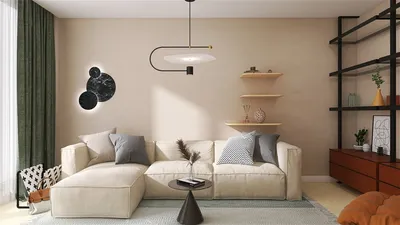


Incorporating a teal sofa into your living space injects a fresh and contemporary vibe while remaining surprisingly adaptable. This hue serves as an excellent focal point in both small apartments and expansive family rooms due to its vibrant saturation without feeling overwhelming. The trick lies in arranging the light, materials, and scale to ensure the sofa appears thoughtfully placed—never intrusive. Teal, with its unique fusion of blue and green, pairs beautifully with warm woods, matte blacks, and soft neutrals, allowing for versatile design styles that can lean coastal, mid-century, or modern depending on the chosen finishes.
To ensure the teal maintains its vibrancy while providing a cozy atmosphere, consider the interplay between color and lighting. WELL v2 guidelines suggest mitigating glare and incorporating multiple layers of ambient and task lighting to minimize visual fatigue, enhancing comfort throughout the day. According to the Illuminating Engineering Society, ambient lighting levels in living rooms should ideally fall between 100 and 300 lux, making warmer tones preferable for evenings. Teal appears most appealing under a color temperature of 2700–3000K for a warm ambiance and around 3500K for clarity during daylight. Research from Steelcase indicates that environments balancing visual comfort and control can elevate satisfaction and perceived performance at home, translating to the use of adjustable dimming, layered lamps, and window light management. For a deeper dive into design, the WELL v2 Light Concept provides actionable strategies for glare control and aligning with circadian rhythms.
Selecting the Ideal Teal Shade
The first step is to consider the undertones of teal: those leaning more toward blue seem cooler and more structured, while green-leaning shades exude an organic and calm feel. It's wise to test color samples against your wall paint at various times of the day, as natural light can accentuate teal around noon and mute it at dusk. Cool teal works well alongside clean whites and brushed nickel, whereas warmer shades mesh beautifully with camel leather and oiled oak. To maintain a cohesive look, limit your color palette to three complementary hues to prevent visual clutter.
Creating a Cohesive Layout
The teal sofa should define the conversation area. In compact spaces, position it opposite the main focal point, such as a media wall or fireplace, and complement it with lighter chairs. It's important to maintain clear pathways measuring 900 to 1200 mm to avoid congestion. Adding a rug that's at least the length of the sofa, with an additional 300 to 450 mm on each side, helps frame the area and stabilize the color scheme. If you're exploring furniture arrangements, using a room layout tool can help visualize seating configurations and spacing effectively, making your design process smoother.
Implementing Effective Lighting for Teal’s Optimal Appearance
Teal thrives in environments with layered lighting: start with an ambient source like a ceiling fixture, accompanied by one or two task lights such as reading lamps or wall sconces, and add accent lights to illuminate walls or highlight artwork. Aim for a Color Rendering Index (CRI) of 90 or higher to ensure accurate color representation, especially with fabric-rich teal. For evening settings, a temperature of 2700K creates a warm embrace, while temperatures between 3000 and 3500K during the day enhance clarity and contrast, bringing out the texture in your selections.
Neutral Backdrops with Rich Textures
The color of your walls provides essential context. I frequently combine teal with soft, warm neutrals like linen, sand, or mushroom to ensure the sofa stands out yet feels balanced. To avoid a flat look, incorporate various textures—think bouclé throws, basket-weave fabrics, nubby rugs, matte ceramic lamps, and low-sheen wood finishes. Steer clear of high-gloss surfaces near teal, as subtle matte finishes help maintain sophistication and reduce glare.
Color Accents to Tighten the Scheme
Opt for two accent colors and use them purposely throughout the space. Incorporating brass or antique gold can add warmth, while matte black offers a crisp modern touch, and shades like coral or terracotta provide playful contrast. Incorporate teal in small accents—whether through decorative vases, patterned cushions, or artistic mats—to ensure the central sofa feels harmoniously integrated rather than isolated.
Choosing Artwork and Composition
Select artwork that complements teal without competing for attention. Black-and-white photography, ink drawings, or paintings featuring subdued greens and blues create a harmonious atmosphere. Consistency in frame style—such as thin black, oak, or brass—helps maintain cohesion, and aligning the bottom edge of your art roughly 200 to 250 mm above the sofa back ensures good visual flow. A standout piece can help create a sense of calm in the overall composition, while a tighter gallery arrangement can instill energy.
Material Combinations that Enhance Teal
Teal beautifully contrasts with natural materials. In my experience, European oak coffee tables, travertine side tables, and textured ceramic pieces all work remarkably well. For metals, brushed brass adds warmth while satin nickel can cool things down. When using marble, lean toward warmer types like Crema Marfil or Breccia to avoid inadvertently cooling the palette. Selecting rugs with low to medium piles can facilitate cleaner lines and make upkeep easier.
Teal in Compact Living Spaces
In smaller rooms, scale is critical. Choose a sofa with slender arms and visible legs to create a sense of spaciousness. Select a light coffee table made of glass or an open-frame wood design, and pair it with low-contrast rugs to maintain a continuous visual flow. Positioning the sofa about 150 to 200 mm away from the wall provides breathing room and helps drapes fall neatly.
Prioritizing Comfort, Ergonomics, and Everyday Functionality
A well-designed sofa should facilitate comfortable posture changes—whether you are chatting upright, lounging, or reading. A seat height around 430 to 460 mm is usually suitable for most adults. For reading areas, position a floor lamp so that the shade rests near eye level while seated, ensuring the armrest height aligns comfortably 200 to 250 mm above the seat. Keeping side tables within a 350 to 450 mm reach helps ensure beverages and remotes remain easily accessible without requiring you to get up.
Promoting Acoustic and Visual Tranquility
Teal works exceptionally well in serene environments. Utilize soft fabric drapes, upholstered seating, and rugs with felt underlays to absorb mid-frequency sounds. Visually, keep busy patterns restricted to smaller items—like pillows or trays—to allow the teal to stand out as a dominant feature. In open-plan areas, delineate the living space by centering a rug and aligning the front feet of the sofa on it to establish a defined area.
Seasonal Refreshing of Accents
To keep the teal feeling fresh throughout the seasons, rotate your accent colors. Introduce soft sage and linen whites in spring, use raffia textures and coastal-themed art in summer, embrace terracotta and burnished brass in autumn, and opt for charcoal throws and warm wooden trays in winter. The teal sofa can remain constant while the overall ambiance shifts.
Teal and Natural Light Considerations
Windows that face south can illuminate teal more vividly; sheer drapes can help soften its brightness. Conversely, northern light keeps teal cooler, which can be balanced with warmer bulbs and wood tones. Employ layered window treatments to eliminate glare for screen activities and ensure that the sofa's color remains intact and inviting.
Styling and Storage Solutions Around the Sofa
If space permits, consider a slender console table behind the sofa—ideal for lamps and trays without cluttering the coffee table. Wall-mounted shelves can help reduce floor area clutter; keep styling minimal with stacks of books, decorative objects, and a lush plant to bring a touch of nature against the bold teal backdrop.
Frequently Asked Questions
Warm neutrals such as linen, greige, and soft mushroom can harmoniously balance the depth of teal. Crisp white fits well in modern contexts, while muted sage complements nature-inspired palettes.
Employ 2700–3000K lamps, layering both ambient and task lighting, targeting around 100–300 lux for the ambient glow. Diffused lamp shades help mitigate glare and maintain the color's richness.
Brushed brass can infuse warmth and dimensionality into a space; satin nickel creates a sleek, contemporary feel. Matte black frames and hardware can sharpen outlines without detracting attention.
It is indeed possible—select sofas with slimmer arms, visible legs, and opt for low-contrast rugs. Maintain clear pathways of 900 to 1200 mm and consider light open-frame tables to diminish visual weight.
For contrast, consider using camel, terracotta, coral, or warm wood selections; repeat each accent in two to three locations for a cohesive appearance.
Incorporate warm woods, brass elements, varied textures, and 2700K lighting. Favor creams over stark whites and add tactile materials like bouclé and wool.
Ideally, the front feet of the sofa should rest on the rug. A good guideline is to select a rug that matches the length of the sofa plus an additional 300–450 mm on each side to effectively frame the seating area.
Strive for a seat height around 430–460 mm, with armrests positioned 200–250 mm above the seat, and keep side tables within a 350–450 mm reach. Place reading lamps such that the shade bottoms align with the seated eye level.
To absorb sound effectively, utilize fabric drapes, rugs with felt backing, and upholstered furnishings. Arrange the sofa strategically to disrupt visual lines and create defined sections within the space.
Consider monochrome photography, minimalistic abstracts, or landscapes showcasing muted greens and blues. Maintain a consistent framing style and position the bottom edge approximately 200–250 mm above the sofa back for visual coherence.

59" Velvet Blue Loveseat Sofa for Small Spaces,Mod

LEVNARY Three-Seat Velvet Sofa, Large Sofa Classic

3 Seater Sofa Couch with Deep Seat, 90" Modern
Discover the magic of home design with Homestyler! This intuitive online platform offers a fantastic design tool, stunning 3D renderings, and a wealth of inspiring design projects. Plus, with DIY video tutorials at your fingertips, transforming your space has never been easier. Get started today!
Design Now for FREE
































