


In my experience, wall decals have transformed living rooms where ordinary paint fell short in establishing the desired atmosphere. Utilizing Homestyler for wall stickers brings a quick, stylish enhancement without the hassle of repainting. One immediate advantage is the creation of visual focus; strategically placed botanical or geometric designs can completely shift a room's ambiance in less than an hour. Research from Steelcase reveals that environments with clear visual markers enhance perceived control and satisfaction, a concept that similarly applies in residential spaces where focal points can effectively guide attention and minimize visual distractions.
The selection of colors plays a crucial role alongside the chosen motifs. As highlighted in an overview by Verywell Mind on color psychology, gentle greens and blues are known to alleviate stress, whereas yellows are linked to energy enhancement. For living areas that promote relaxation and light socialization, I tend to favor desaturated tones—like sage, dusty blue, or warm clay—paired with matte or low-sheen finishes to reduce glare. When optimizing lighting in conjunction with decals, the Illuminating Engineering Society (IES) recommends an ambient light level of 100–300 lux, and I particularly aim for around 200 lux with 2700–3000K warm white lamps to blend effortlessly with nature-inspired sticker themes. For a deeper understanding of wellness and illumination, the WELL v2 framework presents valuable guidelines on managing glare and supporting circadian rhythms.
Sophisticated Guidelines for Selecting Wall Stickers
• Scale and proportion: Extensive floral designs work best on large, uninterrupted walls that measure at least 8–10 feet. Smaller geometric decals are perfect for columns, nooks, or arrangements above consoles.
• Finish compatibility: Stickers featuring a matte or satin finish integrate seamlessly with eggshell or matte painted walls, thereby preserving depth and minimizing glare.
• Motif purpose: Organic designs soften angular furniture layouts, while geometric patterns enhance modern aesthetics. For an eclectic living area, a simple monochromatic motif can unify the space.
The Psychology of Color That Influences Mood
Trusty colors include soft greens (which promote restoration), soothing blues (for tranquility), and muted terracotta (which grounds a space). While vibrant red can be energizing—ideal for accent areas—it may overwhelm a main wall. Use a 60–30–10 color ratio: 60% dominant room color (walls, large rug), 30% secondary (sofa, curtains), and 10% accent (sticker colors and accessories). This strategy ensures the decals mesh naturally with the overall design rather than drawing too much attention.
Lighting, Glare, and Decal Visibility
Decals look their best under layered illumination. I typically combine dimmable ceiling fixtures with two to three task or accent lamps aimed away from the decal to avoid glare. For design elements featuring metallic accents, it's essential to have adjustable lamp heads or shields, ensuring good visibility from various seating areas. For evenings, 2700K warm lamps enrich colors, while daylight (5000K) can wash out lighter shades. Using a smartphone app to check ambient lux ensures you remain within the optimal 150–200 lux range for living rooms.
Tips for Effective Placement That Enhance the Room
• Focal wall: Align the sticker design with the main seating area—typically the sofa or media unit—while keeping a comfortable distance from corners (8–12 inches) to prevent a cramped appearance.
• Above furniture: Maintain a clearance of 6–8 inches above consoles or head-level furnishings to avoid visual clashes. Utilize symmetrical designs where seating arrangements are even; opt for asymmetric arrangements in open-plan areas to suggest movement.
• Vertical emphasis: In spaces with ceilings taller than 9 feet, vertical designs can draw the eye upward, creating an illusion of increased height.
• Doorframe and passageway enhancement: Slim linear decals can guide movement and create the illusion of wider narrow spaces.
Harmonizing with Living Room Layout
Wall decal arrangements should reflect your traffic flow and seating configuration. I map out sightlines from the primary seat—generally the sofa—and position decorative elements where they can be appreciated without detracting from the TV or artwork. If you're experimenting with layouts, using a room design tool like Homestyler can help visualize furniture placements and establish meaningful focal points for decals.
Texture, Materials, and Upkeep
Homestyler’s wall stickers adhere well to smooth, cured walls. In slightly textured areas, opt for durable vinyl with pressure-sensitive adhesive. Matte finishes can conceal minor wall faults, while glossy surfaces may highlight them. For high-dust areas, satin stickers are easier to clean without leaving streaks. To combat fading from direct sunlight, consider sheer curtains or UV-filter films, especially in west-facing spaces.
Acoustic and Behavioral Insights
In vibrant homes, decals can visually categorize areas—such as conversation spots, reading nooks, and media zones—without the need for physical barriers. While stickers don't absorb sound, they can diminish visual clutter that contributes to perceived noise. I complement them with soft furnishings—like rugs, heavy curtains, and upholstered pieces—to reduce reverberation, making the room feel more serene. A geometric design framing the media wall can direct focus while minimizing wandering attention that leads to distraction.
What’s Trending for 2024–2025
• Biophilic designs: Ferns, branches, and soft watercolor botanicals create a soothing connection to nature without being overly literal.
• Soft geometry: Rounded shapes and line designs that hint at mid-century styles but in softer palettes.
• Monochrome layering: Tone-on-tone decals that lend depth without harsh contrasts—ideal for smaller rooms.
• Subtle luxury accents: Delicate metallic ink on matte backgrounds—used sparingly—adds an air of refinement when paired with textured neutrals.
Practical Installation Tips
• Plan your layout with painter's tape markers before committing to locations.
• Ensure the wall is clean and that paint has dried for at least 14 days prior to application.
• Start applying multi-part decals from the center line to prevent misalignment.
• Gently smooth with a felt squeegee; avoid using hard plastic on matte finishes to prevent altering their texture.
• If you expect to reposition later, select removable adhesive types.
I trust in the insights from Verywell Mind on color psychology for mood enhancement and refer to WELL v2 for essential lighting comfort criteria regarding glare and visual balance. These frameworks guide decorating choices that prioritize human comfort over fleeting trends.
Frequently Asked Questions
Q1: Which colors are optimal for a peaceful living room decal?
A1: Soft greens and blues are known for their calming effects. According to Verywell Mind, these shades can significantly reduce stress, making them ideal for spaces focused on dialogue and tranquility.
Q2: What is the ideal brightness for a room to showcase stickers effectively?
A2: Aim for approximately 150–200 lux of ambient lighting in living rooms, and select 2700–3000K lighting to ensure a warm and welcoming atmosphere. Position directional lights to prevent glare on glossy decals.
Q3: Will wall texture impact sticker adhesion?
A3: A slight orange peel texture is generally acceptable for quality vinyl; a more pronounced texture may lead to peeling edges. Choose a thicker material and apply steady, even pressure during placement.
Q4: Are stickers suitable for compact living rooms?
A4: Absolutely—opt for smaller, tone-on-tone designs to prevent overwhelming the space. Position them opposite primary seating areas to act as a soft focal feature without minimizing the area.
Q5: How can I integrate stickers with my furniture layout?
A5: Align the sticker arrangement with your main seating axis and keep clear distances around furniture and shelves. Utilize an interior layout planner like Homestyler for testing sightlines and visual balance.
Q6: Can decals fade under intense sunlight?
A6: Prolonged exposure to direct sunlight can cause fading. Use sheer curtains or UV-blocking films, and avoid placing high-chroma stickers on west-facing walls without protective measures.
Q7: Are metallic decals practical?
A7: Yes, when used sparingly. Metallic inks can add a sophisticated touch but may create glare if positioned in direct light. Pair with dimmable, diffused lighting and steer clear of highly reflective paint finishes.
Q8: How do stickers affect sound quality?
A8: Stickers do not absorb sound; however, they assist in visually organizing spaces, which can help minimize perceived disorder. Balancing with rugs, textiles, and upholstered seating enhances acoustic comfort.
Q9: What’s the best way to remove or reposition a sticker?
A9: Gently warm the decal with a hairdryer on low to relax the adhesive, peel at a low angle slowly, and clean up any residue with mild soapy water. Always test a corner first on delicate paint finishes.
Q10: Are stark black decals suitable for family rooms?
A10: They can create a bold impression but might feel overwhelming. Consider using charcoal or deep taupe for a softer contrast, particularly in spaces frequented by families with various age groups.
Q11: How many decals are suitable for an open-plan area?
A11: One main focal decal per significant zone works best—such as living, dining, or entry areas—allowing the eye to have clear anchors without competing visuals.
Q12: What maintenance do decals require?
A12: Dust using a microfiber cloth; for stains, gently wipe with a damp cloth and mild soap. Avoid using abrasive cleaners that can damage matte finishes.
Originally incubated at Autodesk, Homestyler has grown into one of the most widely adopted home design platforms in the world, now trusted by over 18 million users. Whether you're a homeowner exploring ideas or a professional designer delivering client-ready renders, Homestyler brings industry-leading 3D technology to your fingertips — no experience required.
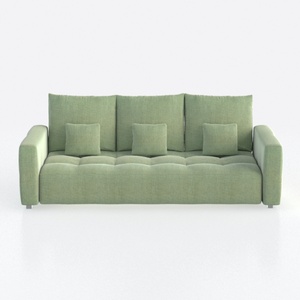
Minimalist Green Fabric Tufted Three Seat Sofa 3D Model

Modern Minimalist Green Fabric L Shape Sectional Sofa 3D Model

Modern Pastel Green Solid Wood Double Tier Coffee Table 3D Model
Homestyler is your go-to online home design tool, perfect for both beginners and enthusiasts. With stunning 3D rendering, a vast array of design projects, and easy-to-follow video tutorials, transforming your living space has never been more inspiring or easier!
Zaprojektuj teraz za darmo
































