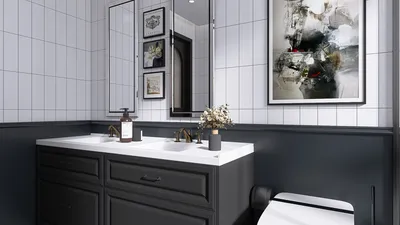


In a previous project, I suggested a striking black mosaic to a client who believed it would yield a ‘subtly dramatic’ effect. Although we faced challenges with natural light, we ultimately created a charming cinema nook that garnered much praise. This experience highlighted the significant impact that wall tiles can have; they not only delineate areas but also reflect light and can create an illusion of spaciousness.
1. Large-format polished tiles for a refined backdrop
For clients desiring a minimalist yet luxurious aesthetic, I frequently opt for large-format polished porcelain tiles. Their limited grout lines create a continuous wall appearance, which enhances the sense of space and facilitates easy cleaning. However, they do require careful installation to prevent lippage and may show smudges more readily. The reward is a seamless, gallery-like effect that is hard to beat.
save pin
2. Textured cement-look tiles for warmth without clutter
When dealing with a compact living room that needs a touch of character, I recommend textured cement-look tiles. They add depth without overwhelming patterns. These tiles work beautifully with warm wood elements and soft fabrics, introducing industrial charm while remaining neutral. As they can feel cold underfoot, layering with rugs and incorporating warm lighting can help create a more inviting atmosphere.
save pin
3. Vertical subway tiles for an elevated look
One clever technique I picked up from a loft renovation is installing subway tiles vertically. This approach draws the eye upward, making ceilings seem higher. It's a cost-effective, versatile option that is also family-friendly. In this case, grout color plays a crucial role: while darker grout can disguise stains, it may soften the vertical effect; lighter grout provides a crisp appearance but requires more maintenance.
For rooms with limited space, I often sketch quick designs using a room planner to explore how varying tile sizes can alter the perception of space.
save pin
4. Patterned encaustic-look tiles as an accent centerpiece
Patterned tiles are my preferred choice when a client seeks to create a focal point without having to repaint an entire room. An accent wall behind the sofa can infuse character and conceal scuff marks. However, strong patterns may restrict future styling options, thus I always suggest using neutral furniture or reversible slipcovers as a solution.
save pin
5. Mirrored or metallic tiles to enhance light
In one of my darker living room projects, I specified mirrored-edge metallic tiles above a console, which effectively reflected daylight and made the area feel more spacious. While they are glamorous and functional, these tiles come with a higher price tag and need careful placement away from heavy traffic areas. A soft cloth is also recommended to keep fingerprints at bay.
save pin
Tips 1:
A practical tip is to select tile samples and create a small mock-up on the wall, allowing you to see how the scale and finish look in your actual lighting conditions. For more diverse layout options, using a free floor plan creator can assist in swiftly iterating designs.
save pin
FAQ
Q1: Which tile size enhances the spaciousness of a living room?
A1: Generally, larger-format tiles with minimal grout lines lead to a more continuous wall appearance, giving the impression of a larger space; it’s beneficial to test samples on-site to verify this effect.
Q2: Are glossy tiles appropriate for living rooms?
A2: Glossy tiles can enhance light reflection and brighten up areas, though they do tend to show fingerprints and imperfections more easily compared to matte finishes.
Q3: Is it feasible to cover an entire living room wall with tile?
A3: Absolutely, full-height tiling can provide a striking and durable surface; pairing it with soft textiles can prevent the space from feeling too stark.
Q4: How do I select a grout color?
A4: You can either match the grout to the tile for a seamless effect or choose a contrasting color for defined patterns; darker grout is generally low-maintenance while lighter grout gives a fresher look.
Q5: Do patterned tiles become outdated quickly?
A5: Some patterned tiles may age a space, so it’s wise to use them as accent pieces or select timeless designs for durability.
Q6: Can tiles enhance acoustics in a living room?
A6: While hard tiles can reflect sound, they can be paired with rugs, curtains, and upholstered furniture to absorb echoes effectively.
Q7: Where can I explore various tile layouts digitally?
A7: You can utilize a 3D floor planner, which will allow you to experiment with different layouts and visualize scale and lighting effects prior to installation.
Q8: What are the industry standards for tile installation?
A8: For detailed guidance, refer to the Tile Council of North America (TCNA) Handbook, which elaborates on standard installation methods (https://www.tcnatile.com/).
save pin
Homestyler is your go-to online platform for transforming home design dreams into reality. With its user-friendly design tool, stunning 3D renderings, inspiring design projects, and helpful video tutorials, you're equipped to create beautiful spaces effortlessly. Start designing today!
Design Now for FREE
































