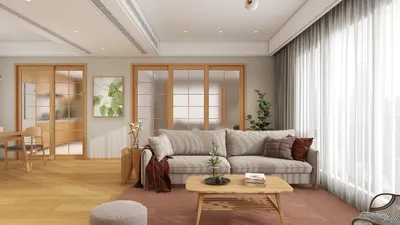


I've rejuvenated numerous living rooms using light blue color schemes, and the most successful designs expertly blend tranquility with clarity. Picture the freshness of a sea breeze combined with clean lines and a gentle warmth. Research from Verywell Mind shows that blue is connected to tranquility and stability, making it a wonderful choice for living rooms that seek to induce a calming atmosphere without veering into dullness. The secret lies in how you layer tones, textures, and temperatures.
Lighting is crucial to enhancing this hue. The WELL v2 guidelines suggest maintaining 300–500 lux for living spaces to ensure visual comfort and relaxation, while the Illuminating Engineering Society often recommends 300 lux as a good benchmark for living areas. Personally, I target between 350 and 400 lux in seating areas, utilizing ambient lighting that falls within the 2700–3000K warm-white spectrum, and introducing cooler accents at around 3500K near bookshelves or artworks. The right lighting ratios are essential to keep light blue vibrant rather than dull on overcast days.
Establish Your Light Blue Foundation Without an Ice-Cool Effect
Begin with a soft, warm light blue for your walls; think along the lines of a muted gray or hint of green to prevent north-facing rooms from feeling too cold. Conversely, south-facing areas can embrace a more vibrant, cooler blue. Complement the paintwork with creamy off-white ceilings and delicate white trims to avoid jarring contrasts. For walls, I prefer a matte or eggshell finish, as glossier sheens reflect too much light, which can disrupt the intended soothing effect.
Incorporate Layered Lighting to Keep Blue Vibrant
Utilize a mix of ambient, task, and accent lighting. Start with a cove or flush-mount ceiling fixture for ambient illumination, while floor lamps can provide focused light for seating areas; accent lighting such as art sconces adds dimension. Maintain ambient lighting at 2700–3000K for warmth, interspersed with 3500K task lighting in spaces where clarity is key, like reading nooks or console tables. Strive for an even distribution to ensure surfaces reflect true colors; excessively shadowy areas can dull the vibrancy of light blue.
Infuse Warmth with Natural Materials
Light blue pairs well with warm tactile neutrals such as oak, rattan, linen, bouclé, and wool. Incorporating a pale oak media console or a coffee table can enrich the warmth of the space. Add a textured rug in shades of oatmeal or sand to ground the area. Accents in brushed brass or aged bronze, be it hardware or lamp bases, introduce a subtle contrast that prevents the palette from appearing sterile.
Understanding Color Psychology: Calmness Without Complacency
Blue exudes feelings of calm, trust, and focus, but an overabundance of cool tones can stifle social interactions. Introduce vibrant touches like terracotta planters, coral throw pillows, or a singular mustard armchair. These accents can elevate warmth and cultivate interaction while preserving the airiness highlighted in Verywell Mind’s research on the soothing attributes of blue.
Select the Perfect Shade of Blue According to Room Orientation
For north-facing rooms, opt for warmer light blues that include hints of green or gray. South-facing rooms can use sharp light blues with slight coolness to retain freshness. East-facing spaces are best suited for warm morning tones, while west-facing rooms should be checked at sunset to ensure they avoid overly vivid evening hues. It's crucial to test large samples on two walls and observe the colors at different times of the day before making a final choice.
Curate Furniture with Comfort in Mind
Ergonomics play a vital role in living spaces. A seat height of 17–18 inches and a seat depth of around 20–22 inches adequately accommodate most adults for leisure without slouching. Balance a soft sofa with two lighter lounge chairs to enhance openness. Seating should be arranged to ensure a clear 36-inch pathway; keeping coffee tables about 18 inches from the seating area allows for comfortable access. If you're strategizing a new layout, consider utilizing a room design tool like Homestyler to visualize the flow and sight lines.
Design Visual Rhythm: 60/30/10 Color Proportions
Use light blue as the dominant 60% of the room (in walls and large rugs), allocate warm or neutral tones for 30% (sofa and wood elements), and add contrast with 10% (decorative pillows and artwork). Repeating the light blue shade in at least three different design elements, such as walls, textiles, and a patterned rug, fosters a cohesive look. Opt for mid-sized patterns; large designs can overwhelm the delicate nature of pale blue.
Mitigate Glare and Reflections
High-gloss surfaces can make blue hues appear overly intense. In rooms with expansive windows, consider sheer curtains to diffuse sunlight and avert harsh glare that changes color perception at midday. Selecting matte frames and low-sheen finishes for built-ins helps to minimize glare spots. This approach allows for a tranquil quality in the palette while maintaining clear details.
Enhance Acoustic Comfort to Complete the Serenity
Sound impacts the perceived tranquility of a space just as much as color does. Incorporate soft materials like area rugs, fabric couches, and curtain panels to absorb sound reflections. Introducing rattan or wooden elements can help break up echoes while maintaining an open ambiance. Ensuring a blend of hard and soft surfaces is key; too many reflective materials can amplify noise and detract from the calming atmosphere achieved with light blue.
Add Personality with Art, Books, and Plants
Embrace coastal, botanical, or abstract artworks framed in white or light wood. Use books with subtle spines, tactile ceramics, and lush plants to bring life into the color scheme. Opt for plants that feature blue-green foliage, like eucalyptus or sage, to resonate with the wall colors, while terracotta pots warm up the atmosphere. Consider positioning a large canvas above the sofa to create a focal point and maintain an uncluttered space.
Focus on Sustainability and Material Quality
Select low-VOC paints and sustainably harvested woods for a responsible approach. Linen and wool offer durability, are easy to maintain, and age beautifully. Steer clear of decor laden with plastics that can quickly go out of style—light blue environments benefit from materials that gain character over time.
Design Tips for Compact Living Rooms
Position the sofa away from the wall to promote openness and improved proportions. Utilize a sleek console behind the sofa equipped with two lamps to evenly distribute light. Reflective mirrors across from windows can create an illusion of more space, but avoid aligning them face-to-face with the TV to reduce glare. For rapid design iterations, tools like Homestyler can assist in experimenting with scale and layouts before moving bulky furniture.
Trends for 2024–2025
We're witnessing a rise in soft, mineral blues paired with natural textures and understated metallic finishes—brass, pewter, and matte nickel are popular choices—along with rounded forms in sofas and coffee tables. Subtle geometric patterns in rugs and wallpaper add an element of movement while keeping the focus on the overarching color theme.
Common Questions
Utilize 2700–3000K lighting for warm ambiance, while 3500K is ideal for task lighting to maximize clarity. Aim for 350–400 lux in seating areas for comfortable reading.
Incorporate warm woods, rich neutrals, and select warm accent colors such as terracotta or coral. Choose light blue with subtle gray or green undertones for north-facing spaces.
Select soft white or off-white trims (avoid stark blue-white) to maintain a gentle contrast with pale blue walls and prevent a clinical appearance.
Absolutely! Opt for softer, low-chroma blue shades and maintain some distance between furniture and walls to enhance depth. Mirrors can be beneficial, especially when employing sheer curtains to soften light and lessen glare.
Pale oak, natural maple, or light herringbone wood contribute warmth. Layer an oatmeal or sand-toned rug to stabilize the overall color palette.
Introduce soft elements—textured seating, rugs, and curtains. Utilize wood slats or dimensional wall panels to disrupt sound echoes.
Research highlights how blue is commonly linked to a sense of calm and reliability, helping to ease visual strain in living spaces.
Maintain about 18 inches between the sofa or chairs and the table edge, allowing 36 inches for main walkways for smooth circulation.
Definitely! Brass, bronze, and matte nickel each convey varying warm tones. Ensure finishes remain consistent along sight lines to avoid visual disruption.
Opt for white or light wood frames, and prefer botanical, coastal, or abstract artwork featuring restrained color palettes. A large art piece above the sofa can anchor the space visually.
For more in-depth insights into lighting and wellbeing standards, refer to the WELL v2 guidelines at wellcertified.com, alongside residential lighting recommendations found at ies.org/standards.
Built on technology originally developed at Autodesk, Homestyler empowers anyone to design beautiful, realistic spaces in minutes. Join over 18 million users who have already discovered a smarter way to plan, visualize, and bring their dream homes to life — all from the comfort of a browser.

Modern Two Tone Fabric Modular Sectional Sofa 3D Model

Minimalist Black Solid Wood Square Coffee Table 3D Model

Minimalist Modern Matte Navy Blue Side Table 3D Model
Homestyler is your go-to online home design platform, perfect for anyone looking to transform their space. It offers an easy-to-use design tool, stunning 3D renderings, and a wealth of design projects and video tutorials, making it effortless to bring your ideas to life.
Design Now for FREE
































