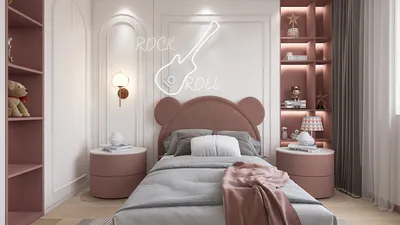


LED walls have transformed from mere accent strips into sophisticated layered lighting elements that influence ambiance, enhance architectural beauty, and delineate spaces within a living room. I view them as both a captivating visual element and a practical lighting system—designed to optimize glare management, color accuracy, and everyday function.
Design Foundations: Quality of Light and Comfort
The most effective LED wall designs hinge on the essentials of lighting. Achieving a Color Rendering Index (CRI) of 90 or higher ensures realistic skin tones and the richness of various materials, while a correlated color temperature (CCT) within 2700 to 3000K creates a warm, inviting ambiance in evenings. The Illuminating Engineering Society recommends a light level between 100 and 300 lux for living spaces, tailored to specific activities; I aim for a flexible lighting approach that can shift from 80 lux for watching television to over 250 lux for reading through adjustable dimming scenes (as per IES standards). The WELL v2 standard also prioritizes visual comfort through effective glare management and adjustable environments; I favor indirect lighting techniques and well-shielded options to eliminate harsh light spots (citing WELL v2).
Color plays a crucial role in mood regulation. According to Verywell Mind’s insights on color psychology, warm hues can invigorate while cool tones promote tranquility; therefore, in living rooms, soft ambers and gentle neutral whites support a stable circadian rhythm during the night. A thoughtful strategy is essential: vibrant, saturated colors are ideal for fleeting moments, while gentle pastels and warm whites ensure prolonged comfort.
Concept 1: Architectural Backlit Feature Wall
An enduring choice is a backlit feature wall utilizing materials such as stone veneer, fluted wood, or perforated metal, illuminated from behind using diffused LED panels. I recommend a cavity depth of 50 to 70 mm for uniform light distribution, employing opal diffusers and selecting LEDs with a 2700K or 3000K color temperature and a minimum CRI of 90. The vertical structures create interesting shadows that break up brightness, enhancing visual harmony. This design also serves as an ambient light source with low glare for nighttime environments.
Concept 2: Media Wall Enhanced with Bias Lighting
Incorporating LED bias lighting around a television screen mitigates eye fatigue by augmenting perceived contrast. I typically set the bias light to 10 to 20 percent of the screen’s maximum brightness while maintaining a CCT close to 6500K for precise content viewing or adjusting to a warmer 3000 to 3500K for a cozier living-room atmosphere. It’s best to keep LED strips out of sight, tucked behind shallow reveals. To facilitate cable management and heat dissipation, ensure service channels and ventilation gaps are integrated into the millwork.
Concept 3: Linear Grazing to Enhance Texture
Linear LED grazers positioned 150 to 300 mm from a textured wall surface (such as plaster, brick, or ribbed panels) effectively reveal depth without causing glare issues. I tilt the optics at angles of 20 to 40 degrees to fashion controlled shadow gradients. Dimming is crucial; textured surfaces can amplify brightness, so I often restrict output to 35 to 50 percent for evening settings.
Concept 4: Geometric Light Frames and Niche Designs
LED frames embedded within shallow niches add contemporary flair to any space. I keep the profiles sleek (8 to 12 mm), incorporate mitered corners for seamless illumination, and opt for dim-to-warm options (shifting from 3000K to 1800K) for evening ambiance. These frames are particularly effective around art alcoves or shelving, creating a tiered effect without overwhelming the overall space.
Concept 5: Dynamic RGBW Lighting—Used Judiciously
RGBW technology expands creative possibilities—offering color choices like sunset ambers, cool moonlight, or soft lavender tones. I typically reserve saturated colors for accent moments and maintain a neutral white base for everyday settings. I set programmable lighting scenes: ‘Reading’ at 3000K with an ambient light level of 250 lux; ‘Movie’ at 2200K with 60 to 100 lux; and ‘Gathering’ at 2700K with 200 to 250 lux. Emphasis is placed on gentle fade transitions and minimal flickering (ensuring a high PWM frequency to avoid visual flaws).
Understanding Ergonomics and Human Factors
Glare can compromise comfort significantly. I protect LEDs using baffles, frosted lenses, or recesses. It’s critical to manage maximum luminance ratios; bright light sources should not be positioned in direct sightlines from primary seating. I aim for intuitive control options—one-touch scene settings at entry points and next to the sofa. For increased accessibility, incorporating physical buttons along with app-based controls ensures ease of use for all household members.
Strategic Layout: Zoning and Sightlines
Living rooms serve multiple functions—media enjoyment, conversation, reading, and play. I utilize LED walls to subtly delineate zones: a warm wash near seating, a cooler neutral near reading areas, and softer hues near artwork. When planning, it’s essential to visualize furniture sightlines and potential glare locations before finalizing decisions. For efficient layout adjustments, using a room design visualization tool can aid in evaluating seating positions, viewing angles, and planned lighting arrangements.
Materials, Detailing, and Durability
Select materials like heat-dissipating aluminum channels and high-quality diffusers to prevent LED spotting. Consider ease of maintenance: ensure panels are accessible, trims can be removed, and wiring pathways are clearly labeled. I often recommend 24V systems for longer circuits and consistent illumination; drivers should be situated in ventilated, attainable compartments. If selecting porous stone or textured plaster, it’s advisable to test light throw and color consistency on sample materials first, as variations can affect overall brightness and CCT.
Combining Acoustic Comfort with Lighting Solutions
LED walls frequently align with prominent surfaces; integrating acoustic panels with backlighting can be beneficial. Micro-perforated materials or felt fins can absorb mid to high frequencies while providing gentle washes of light that alleviate eye strain. In spaces with hard flooring, a lit fabric panel can serve a dual purpose—providing acoustic benefits and ambient light.
Controls, Scene Settings, and Smart Integration
Dimming curves should feel organic; logarithmic adjustments often provide fluidity at lower levels. I set scene settings: Evening Calm (2200 to 2700K, low output), Hosting (2700K, medium), and Focus (3000K, elevated output). It’s ideal to integrate occupancy sensors to create pathways for evening use without overwhelming brightness. Ensuring flicker-free drivers and considering tunable white lighting for seamless transitions from day to night can further support circadian comfort.
Safety, Sustainability, and Maintenance Considerations
While LED systems boast efficiency, managing heat is crucial. Using UL-listed components, verifying driver load capacities, and incorporating expansion allowances in lengthy channels is essential. For sustainable practices, prioritize replaceable light engines over fixed systems; invest in high efficacy (greater than 90 lm/W) and long-lasting (50,000+ hours L70 ratings). Regularly clean diffusers without harsh chemicals that could discolor lenses, and keep a small inventory of spare strips and connectors, clearly categorized by zone.
Practical Tips from the Field
- Prepare extra low-voltage lines for future system enhancements.
- Prototype at least one meter of the lighting design on-site to assess its effectiveness before commitment.
- Maintain uniformity in lighting ratios; manage bright spots by dimming layered lights instead of relying on a single dominant source.
- Implement two control layers: one for ambient white light and another for accent/RGBW lighting to prevent color fatigue.
- Coordinate lighting design with art placement; ensure sensitive pieces are kept away from heat or UV sources.
Frequently Asked Questions
For general living room lighting, it’s advisable to aim for 100 to 300 lux as per IES recommendations. I balance the settings from 80 lux during TV viewing to over 250 lux for reading by layering indirect light sources and using dimming features.
The 2700 to 3000K range provides a warm, calming atmosphere. If employing tunable white options, consider adjusting to 2200 to 2400K for late-night relaxation and reduce intensity to minimize glare.
Warm white LEDs satisfy 90% of daily lighting needs. RGBW is ideal for occasional accent lighting; keeping saturation at a moderate level while maintaining a neutral white baseline is recommended.
Opt for indirect bias lighting behind screens, utilize diffuse lenses, and shield channels from direct sightlines. Output levels should be set to around 10 to 20 percent of the screen’s peak brightness.
A CRI of 90 or higher ensures accurate rendering of colors, particularly for skin tones, textiles, and wood finishes. An elevated R9 rating enhances reds and warm materials.
Definitely—using grazing techniques at 20 to 40 degrees increases perceived brightness. Dim settings should be more aggressively applied, and testing samples is crucial for calibrating shadows and colors.
Blend micro-perforated or felt panels with ambient backlighting to create soft light while absorbing higher frequency sounds, which can be beneficial in rooms with hard surfaces.
Utilize flicker-free drivers and maintain high PWM frequencies. Set up simple lighting presets such as Relax, Movie, and Reading, and ensure both physical controls and app integration for convenience.
The IES provides guidance on illuminance levels, while WELL v2 addresses visual comfort strategies, including glare management and adaptable lighting environments. Leverage these guidelines for informed design choices.
Be sure to specify replaceable LED modules, ensure easy access to drivers, and have extra low-voltage conduits in place. Maintenance documentation and spare components should be labeled according to their respective zones.

Looking to transform your home effortlessly? Homestyler is your go-to online design platform! With an easy-to-use design tool, stunning 3D renderings, creative design projects, and informative video tutorials, you can unleash your creativity and design your dream space. Start your journey today!
Concevez maintenant gratuitement
































