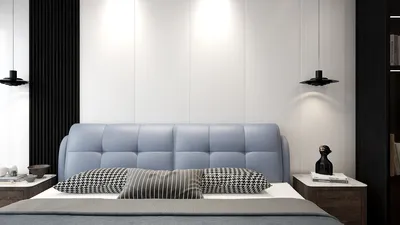


Transforming the ambiance of your living room can be achieved swiftly with floral wallpaper. This design choice brings in texture, influences color psychology, and incorporates nature-inspired elements that create a soft and inviting space. When selecting patterns, I prioritize those that enhance everyday activities like conversations, reading, and social gatherings. By carefully considering the floral scales and color temperatures in relation to light levels and seating arrangements, the outcome feels cohesive and grounded rather than merely decorative. Utilizing design tools like Homestyler can help visualize these transformations effectively.
Research consistently demonstrates that environments connected to nature enhance well-being. According to findings from Steelcase, access to nature can lead to improved cognitive functioning and decreased stress levels among knowledge workers. Moreover, WELL v2 identifies biophilic design as a means to foster better mental health and occupant happiness. These insights guide my floral selections—using softer greens and muted blooms close to task seating, along with deeper tones on feature walls to energize social spaces, all enhanced with glare-controlled lighting in line with IES guidelines.
The choice of colors is as crucial as the designs themselves. Insights from Verywell Mind indicate that shades of green promote tranquility and restoration, while warmer colors like peach and coral create an inviting atmosphere conducive to conversation. I prefer to maintain moderate saturation levels in living rooms, saving vibrant florals for accent walls. In rooms with northern exposure, warmer botanical shades can offset the cooler daylight; conversely, in south-facing rooms, cooler floral patterns can minimize brightness and prevent visual fatigue, a factor that can be easily managed using design tools like Homestyler.
Selecting the appropriate scale for floral designs is essential to achieving harmony in living rooms.
The scale of floral patterns can create a harmonious or chaotic atmosphere in a living room. Larger botanical designs (ranging from 8 to 12 inches) are ideal for expansive walls and tall ceilings, providing a striking visual impact from afar. Medium-sized motifs (4 to 7 inches) work well for conversation areas, maintaining visual coherence among seating arrangements. Smaller florals and delicate prints add texture without overwhelming compact spaces; they offer a calming backdrop for bookshelves or entertainment centers. I assess the scale based on typical viewing distances, such as 6 to 10 feet for sofas and 10 to 14 feet for dining areas, ensuring comfort in the layout through tools like Homestyler.
The interplay of color temperature, lighting, and glare significantly influences how florals are perceived throughout the day.
Lighting dramatically affects the feel of floral designs. I advocate for a layered lighting strategy: using 2700 to 3000K for warm evening ambient light, 3000 to 3500K task lighting for reading nooks, and high-CRI sources (90+) to preserve the integrity of botanical colors. Controlling glare is paramount; matte or subtly textured wallpapers minimize unwanted reflections, while dimmable lamps help maintain the pattern's depth at night. Adhering to IES guidelines for lighting levels in living spaces and carefully balancing ambient and task lighting preserves the overall appearance of floral patterns.
Florals inherently exhibit a rhythmic design—leaf shapes, petal patterns, and the use of negative space create a visual rhythm that enhances the room's aesthetic. I achieve a dynamic balance by mixing solids and soothing textures, such as linen curtains, matte paint on adjacent walls, and wool or cotton rugs that absorb sound. Establishing a single focal wall can anchor the area behind the sofa or TV console, allowing the rest of the walls to remain understated. When reconfiguring spaces, I utilize a room layout tool like Homestyler to visualize patterns and ensure balance before making permanent decisions.
Understanding human factors such as seating distances and eye levels is essential for comfort.
The interaction between floral patterns and their viewers is critical for creating an inviting environment. I align prominent blooms at typical eye level for seated individuals (approximately 42 to 48 inches from the ground) and avoid placing dense motifs in high-traffic areas to reduce visual distractions. Sofas with textured fabrics complement simpler floral patterns well, while bolder patterned cushions are better paired with calmer floral designs. The goal is to create visual intrigue without overpowering social interactions.
Considering acoustic and material factors significantly enhances comfort in floral wallpaper applications.
Floral wallpapers can contribute to acoustic comfort when combined with soft furnishings. Wallpapers made of paper or non-woven materials diffuse sound better than painted surfaces, and fabric-backed vinyl offers durability without sacrificing a gentle aesthetic. In addition, layering rugs, upholstered furniture, and curtains can help control sound reverberation, making conversations more enjoyable. I try to avoid putting hard surfaces across from floral feature walls to prevent harsh echoes and unwanted glares.
Prioritize sustainability and easy maintenance when selecting floral wallpaper.
Opt for wallpapers made from responsibly sourced materials and inks—FSC-certified papers and water-based, low-VOC printing technologies are excellent choices. Material ConneXion provides a plethora of sustainable wall covering options worth your consideration for their construction and lifecycle performance. Washable surfaces are especially advantageous in living rooms that experience high foot traffic; I always look for scrubbable ratings when pets and children are in the mix. It's wise to request a sample beforehand to evaluate colorfastness under your specific lighting conditions.
Explore strategic placement options: feature, frame, or wrap to optimize floral wallpaper applications.
Here are three effective strategies to consider. A feature wall showcases a bold botanical design that aligns with the main seating area, creating a striking focal point to frame artwork or mirrors with ample negative space. Framing involves using floral patterns within wall panels or behind shelves to add dimension without cluttering the space. Full wraps work best in rooms with controlled lighting, minimal decor, and cohesive color schemes, allowing the patterns to become integral architectural elements rather than mere decoration.
Stay current with floral wallpaper trends to create a modern aesthetic.
In 2024-2025, trends lean towards refined botanical designs—including hand-drawn floral outlines, oversized leaves, and subtle metallic touches used sparingly. Muted palettes featuring moss green, olive, and soft blush tones are prevalent. Larger motifs are favored in high-ceiling areas, while delicate, small-scale botanicals are resurfacing in smaller living spaces where texture is more significant than imagery. Clients seem to favor matte finishes that photograph well and reduce glare during video calls, incorporating tools like Homestyler for planning.
Installation techniques and edge detailing can elevate your floral wallpaper application.
Quality installation is crucial, even for modest wallpaper designs. I recommend hiring professionals, opting for smooth walls, and selecting primers compatible with your adhesive. The choice between straight or drop pattern matching influences material usage, as larger repeats may necessitate additional rolls. It’s important to finish edges as carefully as possible: paint corners in a matching shade, align trims to avoid cutting through blooms, and maintain consistent reveal lines around openings for a refined look.
Integrating furniture and art with floral designs requires careful consideration.
Allow the floral wallpaper to dictate the ambiance, then build layers of design thoughtfully. Solid-colored sofas, wooden frames, and natural fibers can effectively balance the vibrant energy of florals. Select artworks that have breathing space—such as line drawings, monochrome photos, or monochromatic prints—to minimize visual competition. If your wallpaper has a standout color, reflect it strategically in textiles rather than flooding the entire space. Complementing soft florals with contrasting elements like a brass or black floor lamp adds depth and interest to the overall design.
Frequently asked questions can clarify common concerns regarding floral wallpapers.
Q1: How can I choose the correct floral scale for my small living room?
Utilize micro-florals or medium-sized motifs, which read more as texture than overwhelming designs when viewed from 4 to 8 feet away. Maintain tight repeats and desaturated colors for a calm aesthetic.
Q2: What colors create a calming atmosphere in living spaces?
Soft greens combined with gentle blues are consistently associated with relaxation, according to color psychology; these should be paired with warm lighting (2700 to 3000K) to make the room feel inviting.
Q3: Can floral wallpaper enhance perceived comfort?
Research highlights the calming impact of biophilic elements—such as leaf patterns and organic shapes—on reducing stress and increasing satisfaction in both work and home environments, especially when harmonized with appropriate lighting and acoustics.
Q4: Is it better to have a feature wall or a full wrap?
Feature walls work well in most layouts, providing a focal point without inducing visual fatigue, while full wraps are more suitable when furniture is minimal and lighting is carefully controlled.
Q5: What lighting setup preserves the richness of florals at night?
Combining ambient warm lighting with high-CRI task lamps and dimmers is key. Avoid flat, cool light that drains color intensity; introduce wall washers sparingly to maintain depth and visual interest.
Q6: Are washable wallpapers suitable for living rooms?
Absolutely—washable and durable finishes are essential for high-traffic areas, especially those inhabited by pets or children. Always check cleanliness ratings prior to purchase.
Q7: How should I style art and textiles alongside floral patterns?
To counterbalance floral patterns, utilize solids and areas of negative space. Opt for art that contrasts in texture rather than clashing in color complexity; gently incorporate one accent color through cushions or throws.
Q8: How can I visualize patterns with my furniture layout effectively?
Employ an interior layout planner such as Homestyler to anticipate sightlines and determine wall coverage, ensuring the patterns interact well with seating and entertainment units before actual installation.
Q9: Do metallic inks create glare issues?
Possibly. To mitigate glare, keep metallic accents subtle, choose matte finishes, and control the angles of light sources to minimize reflections on floral designs.
Q10: What amount of extra wallpaper should I purchase for pattern matching?
Generally, order 10 to 15% more than your measured area, particularly for large patterns or complex matching scenarios. Always confirm this with your installer based on the specific pattern repeat.

Homestyler is an amazing online home design platform perfect for anyone looking to revamp their space. With its easy-to-use design tool, stunning 3D renderings, a plethora of design projects, and helpful video tutorials, you can effortlessly bring your home decor visions to life!
Design Now for FREE
































