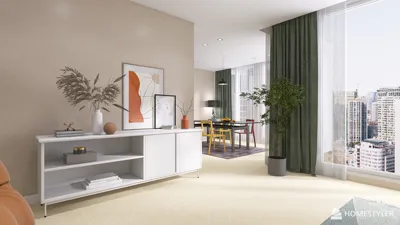


Carpet tiles offer an ideal combination of versatility, aesthetic appeal, and durability for living rooms where daily activities unfold—whether that’s children playing, pets lounging, or cozy movie nights. Their modular design allows for easy replacement of individual tiles when accidents happen, enables pattern adjustments as personal style evolves, and adds texture to enhance warmth, all without the commitment of a standard wall-to-wall carpet. With the introduction of tools like Homestyler, you can visualize your layout effortlessly, ensuring it blends seamlessly with your lifestyle.
Beyond just looks, comfort and wellness are essential factors. The WELL v2 framework underscores the importance of low-emitting materials and sound management for healthier indoor conditions. This is crucial when selecting products for a home. Steelcase’s research supports the advantage of managing ambient acoustics, which I apply by using dense, cushioned tiles that reduce reverb and noise, particularly effective for maintaining peace in open spaces. My tile selection balances low-VOC options with acoustic efficiency while still looking elegant, embodying the principles highlighted by Homestyler.
Lighting significantly influences how carpet tiles appear within a space. The Illuminating Engineering Society (IES) recommends that living rooms maintain ambient levels between 100–300 lux for optimal use, supplemented by targeted lighting as needed. Under these conditions, low-sheen, micro-textured tiles reveal their depth and minimize glare. Using warm lighting in the 2700–3000K range ensures that neutral shades feel inviting and creates a harmonious palette, which can be easily planned using the Homestyler application.
Key Advantages of Using Carpet Tiles in Your Living Room
- Modular Replacement: Made a mess on one tile? Simply lift and replace it rather than redoing the entire room.
- Zoning and Pattern Play: Create defined conversation areas or passageways utilizing color blocks or varied patterns.
- Acoustic Comfort: Thicker tile constructions with cushion backing significantly dampen sound, a noticeable improvement over hard flooring.
- Thermal Comfort: Offer softer surfaces and some insulation, perfect for cooler seasons over concrete or hardwood floors.
- Sustainable Options: Numerous manufacturers now provide options made from recycled fibers and backings, and tiles help minimize waste during installation and repairs.
Design Strategies: Pattern, Color, and Scale
To begin, I assess the dynamics of the room: the length of the sofa, the size of the coffee table, traffic flow, and sightlines (like the entry point, the TV wall, and windows). Carpet tiles can accentuate these elements effectively. For instance, using a herringbone or offset pattern can visually elongate a narrow space, while a checkerboard design aids in stabilizing wider areas. In an open layout that integrates dining, subtle tonal variations between the tile fields can create division without the need for a threshold, showcasing the flexibility of using a tool like Homestyler.
Color psychology plays a significant role in atmosphere. Neutral shades—such as stone, oatmeal, and gray—provide tranquility, allowing more expressive furniture pieces to shine. A muted blue-green edge around your seating area can give a sense of coolness and spaciousness, while a warm rust or camel area insert fosters intimacy in conversation spots. For visual clarity, I maintain strong contrasting elements on edges or pathways to prevent overwhelming the primary seating area.
Layout Planning and Tile Orientation
Before making any purchases, I simulate different layouts to evaluate scale, movement, and pattern alignment, particularly in relation to windows and doorways. A basic ashlar (brick) pattern effectively softens seams, while a quarter-turn on heathered tiles introduces a discreet checker that diminishes visible wear. When designing your zones—such as placing a sizable 96-inch sofa alongside a 60-inch media unit—it's vital to have at least 36 inches of clear path behind the seating and 18 inches around tables for comfortable movement. For achieving visual balance, I often position tile fields a few inches short of walls and end with a narrow border, possibly using Homestyler for accurate visuals.
When reevaluating a living room layout or arranging tile fields around existing furniture, consider utilizing a room layout tool. Homestyler can assist in visualizing traffic patterns, clearance spaces, and the flow of your chosen designs before making decisions.
Material Choices: Fiber, Backing, and Pile
- Fiber: Solution-dyed nylon strikes a balance between durability, stain resistance, and color retention in daylight. While polyester is softer and less expensive, it may wear out faster in busy areas. Wool tiles, although requiring more upkeep with stains, provide a natural feel and excellent sound absorption.
- Backing: Cushion-backed tiles significantly enhance comfort and sound absorption, while hard-backed tiles lend sharp edges and stability, creating tight patterns and transitions.
- Pile and Texture: Low loop or tightly tufted designs effectively conceal seams and footprints. For households with kids and pets, opting for lower pile textures can simplify maintenance.
Light, Glare, and Color Rendering
Under warm lighting (2700–3000K), beige and taupe tiles appear cozier; whereas under cooler 3500K lights, grays become more pronounced and patterns become distinct. Testing tiles at home under various light sources is essential to ensure the desired color rendering. Aim for soft, matte finishes that do not create reflections; directional patterns should align with the longest wall or primary view to obscure seams.
Acoustics and Human Comfort
Hard surfaces often create echo and noise issues, making discussions feel harsher and movie viewing less enjoyable. Carpet tiles contribute by absorbing higher frequency sounds, while a cushioned backing and dense pads (depending on system compatibility) help mitigate impact sounds. This is particularly beneficial in apartments, where lower neighbors appreciate a reduction in noise from footfalls. Layering textiles—like curtains, upholstered furniture, and decorative art—helps complete the room's acoustic environment for a more pleasant sound experience.
Installation Notes: Modular Done Right
- Subfloor Prep: Ensure that the surface is clean, dry, and flat. Use minor feathering to correct any dips to prevent issues during installation.
- Orientation and Chalk Lines: Establish centerlines and work outward to ensure that borders remain symmetrical along walls and built-ins.
- Adhesive Method: Many systems utilize peel-and-stick dots or pressure-sensitive adhesives to secure the tiles while allowing for later replacements. Always follow the manufacturer's VOC guidelines to ensure a healthy indoor environment.
- Transitions: At doorways or where tiles meet wood or stone, implement low-profile transition strips or align the pile heights for a smooth, trip-free edge.
Maintenance and Lifespan
Regular vacuuming with a brush attachment protects the loop structure; rotate tiles from less-trafficked areas into high-traffic zones to maintain even wear. Address spills immediately: pull up the tile, rinse from the backside, blot dry, and then reinstall after it has dried thoroughly. With proper upkeep, quality nylon tiles can last a decade in living spaces, and individual tiles can be replaced as needed without requiring a full overhaul.
2024–2025 Style Notes
- Nature-Inspired Color Palettes: Shades like moss, lichen, and riverstone neutrals combined with understated patterns promote calmness in expansive living areas.
- Subtle Geometric Textures: Micro-grid and basketweave designs introduce depth while helping to hide dirt and signs of use.
- Border Designs: Framing seating arrangements with a 1–2 tile boundary is trending, achieving an area-rug aesthetic while maintaining modular adaptability.
- Sustainable Materials: Opt for recycled content for both backing and yarns, as well as low-emission adhesive options that resonate with the health-conscious commitment outlined in WELL v2.
Budgeting and Room Sizing
Measure the floor area where tiles will be installed, allowing for a 5–10% overage to account for cuts and future adjustments. For example, a 12' x 16' living space requires approximately 192 square feet; if planning a border or different colored zones, allocate additional tiles of each type to ensure consistency during future replacements. Focus on cushioned backing for rooms used heavily for media; direct your budget towards areas of high traffic, like in front of the sofa, while less-used corners can be filled with more economical, matching tiles.
References and Research You Can Trust
Two foundational resources influence my choice of living room tile products: the WELL v2 emphasis on low-emission materials and acoustic performance, and Steelcase’s workplace studies which highlight the benefits of softer surfaces in reducing distractions and fatigue. These principles can seamlessly transition into residential comfort. Additionally, I rely on IES guidelines for lighting recommendations and glare control to establish the ideal ambiance and functionality.
FAQ
Q1: Are carpet tiles suitable for families with children and pets?
A1: Absolutely. Their modular format allows for easy cleaning—just pull up a single tile after any spills. Options like solution-dyed nylon provide excellent stain resistance and durability, while low loop textures help conceal wear from small paws and toy traffic.
Q2: How do carpet tiles impact room acoustics?
A2: With their cushioning features, dense tiles effectively absorb mid and high-frequency sounds, significantly lowering impact noise. Adding curtains and upholstered furniture further controls reverberation, enhancing clarity during conversations and creating a more enjoyable atmosphere for movie nights.
Q3: What size of tiles works best in a living room?
A3: Common sizes for carpet tiles range from 19 to 24 inches, making them manageable for installation. Larger planks, such as 10" x 40", can create an elongated effect in compact rooms. Choosing tile size should reflect the room's dimensions and your aesthetic preference for seam visibility.
Q4: Can I mix different patterns or colors without making the room feel cluttered?
A4: Yes, it’s achievable. Maintain a primary, neutral backdrop and introduce a contrasting second color as either a border or accent insert. Limit strong contrasts to borders or pathways. Quarter-turning heathered tiles generates a subtle pattern that avoids visual chaos.
Q5: Do carpet tiles perform well over radiant heating?
A5: Many types do, but always verify the heating limits and adhesive compatibility. Opt for low-pile tiles to ensure optimal performance, adhering to the manufacturer's recommendations regarding maximum floor temperature and acclimatization.
Q6: What steps should I take to avoid fraying or curling edges?
A6: Begin with a level subfloor, utilize the suggested adhesive system, and make sure that seams are tightly aligned during installation. Cushion-backed tiles are less likely to show discrepancies if installed correctly.
Q7: Which lighting works best to enhance the appearance of carpet tiles?
A7: Warm ambient lighting in the 2700–3000K range paired with layered task lighting is recommended. Avoid high-reflective finishes; choose matte textures to reduce glare and maintain consistent color rendering between day and night.
Q8: Are there eco-friendly options available?
A8: Indeed, many brands offer recycled materials for both fibers and backing, along with low-emission adhesives that align with healthy-air objectives derived from WELL v2.
Q9: How do I design a tile pattern around existing furniture?
A9: Start by mapping out your furniture—consider the sofa, coffee table, and movement routes. Ensure at least 36 inches of clearance behind seating arrangements. Utilize a layout planner like Homestyler to experiment with designs and borders prior to making purchases.
Q10: Can I use carpet tiles in place of area rugs?
A10: Absolutely. You can create a bordered design tailored to your seating arrangement; leave an 8–12 inch margin around the sofa and an 18-inch extension from the coffee table for a well-balanced look.
Q11: How much additional material should I order?
A11: It’s recommended to plan for 5–10% overage to accommodate cuts and future adjustments. If you're including borders or two-tone designs, consider adding an extra 5% of each color to facilitate uniformity in future swap-outs.
Q12: What’s the best approach for cleaning a stained tile?
A12: Remove the tile, rinse it from the back with lukewarm water, apply a mild detergent to the front, air dry completely, and then reinstall. Be cautious to avoid saturating the adhesive area if your system relies on a tack method.



Homestyler is your go-to online platform for stunning home design. With an intuitive design tool, impressive 3D renderings, inspiring design projects, and informative DIY video tutorials, you can effortlessly transform your living space into a personal masterpiece. Start creating today!
Design Now for FREE
































