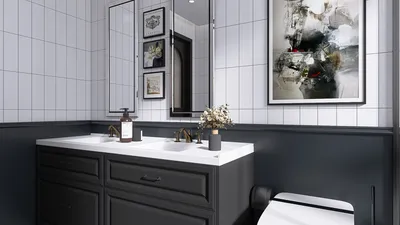


Sleek slab cabinet doors have the power to completely transform the ambiance of a kitchen—reducing visual clutter, enhancing brightness, and establishing a serene, contemporary foundation for everyday activities. Throughout various projects, I have replaced numerous raised-panel fronts with flat slabs, and the shift is immediately noticeable: fewer shadow lines, a more cohesive rhythm, and a subtly enhanced feeling of spaciousness. In well-illuminated kitchens, this minimalism helps surfaces appear broader and lighter, especially when complemented by matte finishes that minimize glare.
Effective planning is crucial for distinguishing between a seamless DIY project and a complicated installation. Following the NKBA planning recommendations, achieving task lighting levels of approximately 300–500 lux between countertops and upper cabinets is ideal for comfortable meal preparation. Combining slab doors with diffuse under-cabinet lighting creates softer edges and maintains reflections within this recommended range (refer to IES kitchen task guidelines for similar benchmarks). Research by Steelcase indicates that visual clarity can lessen cognitive load in work settings; in the kitchen, a simplified door layout minimizes distractions, allowing focus to remain on cooking and conversation. From a broader ergonomics standpoint, WELL v2 underscores the importance of minimizing glare and providing sufficient contrast for safety—both of which are more manageable with flat, non-reflective surfaces. For comprehensive insights into glare and visual comfort, consulting the WELL v2 guidelines is beneficial.
Define Your Design Intent
Before making any cuts, clarify the vision for the kitchen you aspire to create: will it feature warm Scandinavian plywood with exposed edges, ultra-matte painted MDF, or a rich hardwood with delicate grain? Slab doors serve as a minimalist canvas—material selection, proportions, and hardware choices will dictate the overall aesthetic. I recommend sketching a straightforward elevation to verify door rhythms. If you plan to rearrange or streamline fronts, using a room layout tool can help visualize clearances and hinge movements.
Select the Appropriate Substrate
Choosing the right material influences weight, stability, and finish quality. Here’s my selection process:
For many DIY enthusiasts, using MDF or high-grade plywood helps prevent warping and simplifies finishing processes.
Plan Sizes and Reveals
Accurately measuring cabinet openings and selecting an overlay style is essential. A standard full overlay typically leaves a 1/8–1/4 inch reveal between doors to prevent rubbing, while inset options require precise tolerances and a perfectly square carcass. I recommend sizing doors to allow for 3 mm reveals for European hinges, balancing sharp lines with reliable clearance. Consistent reveal gaps provide the visual order that endows slab designs with their understated strength.
Hardware: Hinges and Pulls That Align with Your Vision
Opt for high-quality concealed European hinges (soft-close) that match the proper overlay and cup depth. Heavier doors may necessitate additional hinges—particularly on tall pantry doors, where three or four hinges can prevent sagging. For tactile comfort, I suggest pairing long linear pulls or minimizing hardware with edge pulls. Push-to-open mechanisms maintain a sleek plane but require precise alignment; it’s best to test this on one cabinet before fully committing.
Construction: Cutting, Edge Finishing, and Stability
Use a track saw or table saw with a fine-tooth blade to achieve clean edges when cutting sheets. Clearly label panels per cabinet and ensure each cut is squared—slab doors magnify even slight inaccuracies. Address edges early:
To maintain flatness, store doors horizontally on supports and finish both sides within the same day to ensure even moisture absorption.
Finishing: Color, Sheen, and Glare Management
The finishing process is half the equation. Color psychology suggests using neutrals with warm undertones to foster relaxation and a sense of warmth, while cooler grays and muted blues can give off a more clinical feel—choose based on your daily preferences. Verywell Mind highlights that blue is linked to calm and focus; in kitchens, I often lean towards warm light grays or off-whites to keep food colors appealing. When considering sheen, I prefer matte or low-sheen satin; high-gloss surfaces can enhance glare and showcase fingerprints, especially under bright LEDs. If painting MDF, apply a high-solids primer to seal edges, followed by two coats of enamel or catalyzed lacquer, then a light cut-back and final coat for a smooth, even finish.
Acoustic and Tactile Comfort
Flat doors may amplify reflected sound if the room’s surfaces are hard. Incorporate soft-close hardware, add a few sound-absorbing elements (like rugs, upholstered stools, or acoustic panels), and use a matte finish on the ceiling to prevent a resonant sound environment. Tactilely, satin finishes and sturdy pulls enhance grip and reduce smudging—these minor usability improvements accumulate significantly.
Installation: Align for Consistency
Dry-fit the hinges, align cup centers consistently (typically 3–4 inches from the top and bottom), and utilize a jig for repetitive drilling. After mounting doors, set initial reveals, then fine-tune with hinge screws for a uniform arrangement. I assess sightlines from various angles; lighting that casts shadows across the plane will reveal any misalignment. For paired doors, position pulls at uniform heights, or select vertical rails to highlight the slab design.
Sustainability and Material Health
Opt for low-VOC finishes and CARB-compliant MDF or plywood. Ensure proper ventilation while painting and allow complete curing before heavy use. Durable, repairable finishes prolong the lifespan; I generally avoid plastic laminates unless the space requires exceptional toughness (such as in rental units). Select wood species and veneer sources that are sustainably harvested—long-term value is found in keeping the doors beautiful and resilient.
Layout Adjustments to Maximize a Slab Upgrade
If you’re altering door sizes or swapping some cabinets for drawers, reassess your workflow: the prep area should be near the sink, the cooking zone by the range, and a landing space next to the fridge is essential. Standardizing door widths to a few recurring dimensions (for example, 12, 18, 24 inches) reduces visual complexity and enhances storage organization. To visualize hinge movements and clearances before final decisions, consider simulating layouts with an interior design tool: Homestyler.
Cost and Timeline
Typically, DIY slab replacements are more cost-effective than bespoke millwork. Material costs range from $20–$60 per door for plywood or MDF, hardware can run $10–$30 per hinge set, while pulls vary widely in price. Allocate a weekend for cutting and edge banding, with an additional weekend designated for finishing and installation. It’s efficient to batch tasks—prime all edges simultaneously, spray multiple doors together, and plan for realistic curing times.
Common Mistakes to Avoid
FAQ
Using 3/4 inch (19 mm) thickness is standard for ensuring stability and proper hinge compatibility. Thinner doors may flex and struggle with concealed hinges, while thicker options add unnecessary weight with minimal visual advantage.
Yes, providing they are properly sealed and painted. MDF is dimensionally stable and perfect for achieving a flawless paint finish. Make sure to prioritize edge sealing and incorporate soft-close hinges for minimized wear and tear.
Opt for matte or low-sheen satin finishes, which are more forgiving and reduce glare, aligning with WELL guidelines for visual comfort. Gloss finishes highlight imperfections and fingerprints; use them only if you're aiming for high reflectivity and maintaining perfect surfaces.
Utilize a hinge drilling jig, ensure a consistent overlay, and shim hinge plates where cabinet structures are misaligned. Aim for reveals of 3 mm (approximately 1/8 inch) for clean lines and dependable clearance.
Absolutely. Confirm hinge types and overlays, carefully measure openings, and ensure that door weights are appropriate for the existing cabinets. In some scenarios, transitioning to concealed Euro-style hinges can enhance alignment.
I suggest using maple or birch veneer plywood with a balanced core. Opt for A-grade face veneers and add matching edge banding for a cohesive slab appearance.
Flat doors may amplify sound reflections on hard surfaces. To counter this effect, incorporate soft-close hardware and introduce sound-absorbing features such as rugs or upholstered seating to create a balanced acoustic environment.
When installing horizontal pulls, center them 2–3 inches from the edge of the door; for vertical rails on taller doors, this creates a striking modern aesthetic. Long pulls (ranging from 8–12 inches) complement slab designs and improve leverage.
Use diffuse under-cabinet lighting at approximately 300–500 lux for task areas, with warmer color temperatures (2700–3000K) to maintain a welcoming atmosphere on surfaces. Avoid harsh pinpoint beams that lead to severe specular highlights.
Definitely—utilizing slab cabinets for base units fosters a cohesive mass while pairing them with a few glass upper cabinets adds lightness. Ensuring consistent hardware usage ties the overall design together.
Choose stable substrates (such as MDF or high-quality plywood), ensure even finishing on both faces, and store doors flat during the finishing process. For taller doors, consider an extra hinge to adequately distribute weight.
Achieving a clean, hardware-free aesthetic is possible but requires precise alignment and consistent reveals. It’s wise to test on a single cabinet first; if your family’s habits can be heavy-handed, opting for soft-close hinges with minimal pulls is advisable.
Homestyler is your go-to online home design platform, perfect for bringing your creative visions to life. With its user-friendly design tool, stunning 3D renderings, and a wealth of design projects and video tutorials, you can effortlessly create and explore beautiful interiors, no matter your experience level!
Design Now for FREE
































