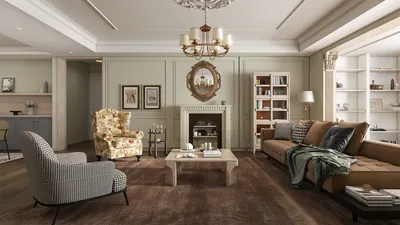


A client once challenged me to transform her tiny galley kitchen into a moody Parisian bistro, and in the process, I may have accidentally overdone the darkness on a sample cabinet. We shared a good laugh about it, fixed the finish, and discovered how slate grey can oscillate between dramatic flair and subtle elegance depending on the lighting. My experiences with small kitchens have taught me to treat every color selection as a crucial architectural choice, and slate grey cabinets have become one of my go-to solutions for that purpose.
1. Contrast with Warm Wood Shelving
To avoid a heavy appearance, I often combine slate grey cabinets with open shelving made of warm wood. The natural grain provides a refreshing break from the grey, introduces texture, and contributes to a Scandinavian aesthetic. However, an open shelf design can lead to more visible dust accumulation, so I suggest using shallow shelves purely for display. As a budget-friendly alternative, opt for veneered plywood to achieve a warm look without excessive spending on solid wood.
save pin
2. Matte Slate Combined with Brass Accents
Matte slate grey exudes luxury when paired with brass fixtures and pendant lights. The brass infuses warmth and vintage charm, although it is important to note that it tends to show fingerprints. My preferred approach is to use aged brass, which minimizes maintenance while adding an inviting elegance to bustling family kitchens.
save pin
3. Two-Tone Slate Arrangements for Added Dimension
Employing slate grey for lower cabinets while opting for a lighter shade above creates the illusion of depth without making the space feel cramped. This technique helps maintain a visually grounded countertop space and enhances the appearance of islands. A key consideration is ensuring that the color undertones match, so always compare samples under your kitchen’s specific lighting conditions prior to finalizing your choice.
save pin
4. High-Gloss Slate for Kitchens with Limited Natural Light
For kitchens deprived of natural light, a high-gloss slate finish can effectively reflect light and make the room feel more spacious. I once transformed a windowless kitchenette by incorporating glossy cabinets and reflective backsplashes, resulting in an instant sense of openness. It’s important to keep in mind that glossy surfaces are more prone to revealing scratches, so select durable lacquers and utilize felt pads within drawers to maintain their pristine condition.
save pin
5. Slate Cabinets Matched with Patterned Backsplashes
Slate grey serves as a tranquil backdrop for more vivid backsplashes, such as encaustic tiles or geometric designs. It provides a stable foundation for patterns without clashing, although it's wise to choose timeless or neutral patterns since busier tiles can age less gracefully over time. A practical suggestion is to keep grout lines sealed to prevent staining, especially where the backsplash meets darker cabinetry.
save pin
Tips 1:
During the planning of layouts and elevations, I like to sketch various designs and occasionally use 3D mockups to explore how slate grey appears under varying lights. A recent 3D render assisted a client in deciding between matte and satin finishes, thus saving them from an expensive repaint. If you're interested in testing layouts, tools like the 3D floor planner can expedite that process. Midway through projects, I often reevaluate finishes and test small cabinet doors under both morning and evening light to catch any undertone surprises.
save pin
FAQ
Q1: Are slate grey cabinets a good fit for compact kitchens?
A1: Absolutely—when paired with light walls, reflective surfaces, or warm wood details, slate grey can create an inviting atmosphere in a small kitchen instead of feeling confined.
Q2: Do slate grey cabinets easily show dirt?
A2: Slate tends to conceal some stains more effectively than bright white, but matte finishes may reveal grease; for frequently used kitchens, opt for a semi-gloss or wipeable topcoat.
Q3: What hardware pairs best with slate grey?
A3: Hardware options such as brass, matte black, and brushed nickel blend well with slate; choose based on your lighting—warm light complements brass, while cool light looks great with nickel.
Q4: How do I determine the right shade of slate grey?
A4: It’s essential to compare paint or veneer samples in your kitchen at different times throughout the day to assess undertones, as natural and artificial lighting can alter blue, green, or brown tones.
Q5: Can slate grey harmonize with modern and traditional styles?
A5: Definitely—slate’s versatile nature allows it to fit well into both aesthetics; modern styles benefit from sleek lines, while traditional designs thrive on paneling and classic hardware to create a softer ambiance.
Q6: Is a high-gloss slate finish durable?
A6: Yes, high-gloss finishes can be durable if a factory-applied lacquer is utilized; they resist staining but may be more prone to scratches, so choose a robust coating and exercise caution with abrasive materials.
Q7: What is the cost of repainting cabinets in slate grey?
A7: Pricing varies based on size and finish, with a broad range due to labor, preparation, and paint quality. It’s advisable to gather quotes and inquire about warranties on the finish.
Q8: Where can I get expert advice on cabinet layouts and visual renders?
A8: For professional design insights and validated information, various trade organizations can provide resources. For practical layout tools and realistic previews, consider established design planners; the National Kitchen & Bath Association offers valuable industry standards and best practices. Exploring platforms like Homestyler can also enhance your design planning experience.
save pin


Homestyler is your go-to online home design platform, perfect for bringing your creative vision to life. Utilize its user-friendly design tool, stunning 3D renderings, and vast array of DIY video tutorials to effortlessly transform your space and realize your decorating dreams!
Design Now for FREE
































