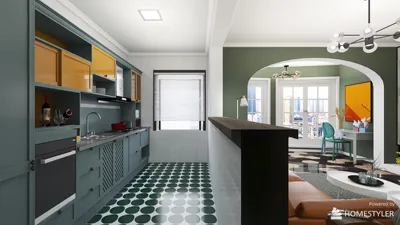


I once worked with a client who envisioned their kitchen resembling a coffee shop — featuring dark brown cabinets, white tiles, and an Instagram-worthy island. Although I considered suggesting a black ceiling for a bolder effect, this project highlighted the transformative power of brown and white cabinetry. They can turn compact kitchens into inviting, bright, and unexpectedly sophisticated areas. This experience reminded me that small spaces often inspire the most inventive solutions, so I’m excited to share five concepts that I've successfully applied in actual projects, including insights on using Homestyler for planning.
1. Two-tone harmony: brown below, white above
One effective approach I frequently use is to position the more substantial brown cabinets on the lower levels while placing the white cabinetry on top. This design strategy offers grounding for the room while maintaining an airy feel. The benefits are evident: warmth and concealment below, contrasted with visual openness above. A small hurdle is in selecting compatible tones — opt for a shade of brown with either warm or cool undertones to match seamlessly with your white elements.
save pin
2. White framing, brown accents
In a recent small condo project, I framed white cabinets and incorporated stained brown panels within those frames. This design choice keeps the kitchen looking sleek and tailored rather than monotonous, and it's a cost-effective means of achieving a customized appearance. Pay attention to your hardware selections — brass can warm the palette, while matte black introduces a contemporary feel.
save pin
3. Blended finishes: matte brown, glossy white
Combining finishes not only creates visual contrast but also maintains a cohesive look without introducing additional colors. In one rental conversion, I opted for matte walnut lower cabinets paired with glossy white upper cabinets; while gloss reflects light and conceals flaws, it tends to show fingerprints more prominently. This combination is chic yet requires a bit more maintenance on the glossy surfaces.
save pin
4. Brown island with white surroundings
For open-plan kitchens, featuring a brown island as the focal point alongside white perimeter cabinets is my preferred design strategy. It establishes an anchor in the space and fosters a natural gathering area. The key is in the island's size: if it’s too large, it can dominate the room, while if it’s too small, it fails to stand out — I always create mock-ups first, often utilizing Homestyler to visualize layouts effectively.
save pin
5. Textured backsplashes connecting tones
Incorporating a patterned backsplash can harmonize brown and white cabinetry, creating an intentional aesthetic. For instance, I previously employed white subway tiles with brown grout for a subtle yet impactful connection — it was an economical solution with significant visual interest. However, be cautious with bold patterns that might quickly feel outdated; I recommend timeless designs and neutral grout shades to ensure longevity.
save pin
Tips:
Budget consideration: Generally, painted white cabinets are more cost-effective than stained brown wood; think about using laminate for high-traffic zones. A practical suggestion: test cabinet doors and tiles together under your kitchen's lighting conditions before making any final decisions. If you want to quickly visualize different ideas, I often utilize Homestyler as a free floor plan tool to check the flow and relationships between elements.
save pin
FAQ
Q1: Do brown and white cabinets stand the test of time in kitchens? A1: Absolutely — the combination of warm brown and crisp white offers a classic and adaptable look suitable for both traditional and modern designs.
Q2: What type of flooring pairs well with brown and white cabinets? A2: Light to medium wood tones or neutral porcelain tiles are great options; avoid very dark flooring unless a dramatic, moody feel is desired.
Q3: How can I stop the brown tones from making my kitchen feel overly dark? A3: Choose white for upper cabinetry or walls, enhance task lighting, and add reflective surfaces such as high-gloss tiles or metallic fixtures.
Q4: What countertop colors work best with brown and white cabinets? A4: Neutral quartz in white or soft gray, butcher block for added warmth, or marble-inspired surfaces for contrasting elegance are all excellent choices.
Q5: Is it feasible to include a brown island in a compact kitchen? A5: Definitely — a nicely scaled brown island can serve as an anchor; just ensure there’s adequate space for movement. I often preliminary test the island size using a kitchen layout planner.
Q6: How do I select the appropriate shade of brown? A6: Consider the lighting of your room and the undertones of existing finishes; bring samples home and view them at various times throughout the day for accurate assessment.
Q7: Where can I access dependable advice on cabinet materials and finishes? A7: The National Kitchen & Bath Association (NKBA) offers extensive resources and industry standards for sustainable materials (https://www.nkba.org).
Q8: Is it possible to mix several brown tones within one kitchen? A8: Yes, blending various stained woods can introduce depth; however, maintaining at least one consistent element such as hardware or countertops is essential for unifying the color scheme.
save pin
Homestyler is your go-to online home design platform! With its user-friendly design tool, stunning 3D renderings, and a wealth of inspiring design projects and DIY video tutorials, you can effortlessly turn your home design dreams into reality. Start creating today!
지금 무료로 디자인하세요
































