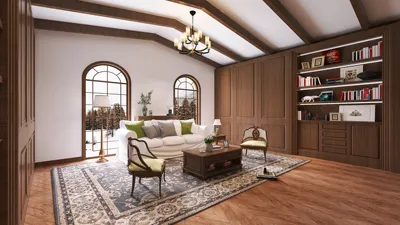


Hallways do much more than just facilitate movement—they create an ambiance for your home. Cleverly designed shelving can transform these transitional areas into practical galleries, functional spaces for everyday items, and effective organizers for your household. When planning hall shelving, I give equal consideration to proportions, lighting, ergonomics, and acoustics to ensure a visually light and navigable passageway. Using tools like Homestyler can help in visualizing these designs effectively.
Research clearly indicates that design elements in circulation areas significantly influence well-being and usability. According to WELL v2 standards, it’s important to ensure proper lighting and control glare in commonly used areas; standard ambient light recommendations for corridors are typically around 200–300 lux, with task or accent lighting added to enhance specific features. Studies conducted by Steelcase reveal that organized spaces lower cognitive load and promote smoother movement patterns, which is essential in narrow hallways where clutter can elevate stress and increase the risk of tripping. I design shelves to maintain visibility within eye-level sightlines, avoiding the creation of distracting visual clutter.
Lighting is crucial for the safety and legibility of shelving. As per IES guidelines, uniform corridor lighting should reduce harsh contrasts and minimize veiling reflections. A warm-to-neutral color temperature range of 2700–3500K enhances the look of art and wooden textures without producing bluish glare. I prefer low-glare linear LEDs installed above display shelves, along with a Color Rendering Index (CRI) of 90 or higher to ensure accurate color representation—especially for items like books, textiles, and family photographs.
Proportions, Rhythm, and Sightlines
In a standard 36-inch wide hallway, I keep fixed shelving between 6–8 inches deep to maintain adequate space for passage. Utilizing wall-mounted rails and thin-profile shelves creates a lighter aesthetic; alternating between closed and open shelves helps to break monotony while providing visual rest. In constricted spaces of 32 inches, I recommend shallow picture ledges of 3–4 inches or recessed niches to minimize shoulder bumping. It's also important to align shelf edges with the heights of door heads or wainscot lines to ensure visual continuity throughout the corridor.
Ergonomics and Everyday Reach
Areas for daily use should ideally be positioned between 32–48 inches from the finished floor—comfortable for most adults without the need for bending. Children's storage should be lower, at 22–28 inches. Rarely accessed shelves can be placed above 72 inches; however, I recommend incorporating a slim pull-down rail for safe use. Shelf heights should differ based on the items intended for display: 12 inches works well for standard hardbacks, while 15–16 inches is recommended for art books, and 8–10 inches is appropriate for decorative items and small storage baskets. Incorporating rounded front edges and matte finishes reduces hand fatigue and glare.
Material Selection and Sustainability
For hallways that need to function efficiently, I opt for durable, low-VOC finishes and sustainable wood sources. Solid oak or ash treated with natural oils can withstand high traffic; utilizing powder-coated steel brackets allows for slim profiles and durability. Acoustic considerations are essential—soft fabric-backed panels or cork inserts behind shelving can significantly dampen hallway echoes. In areas prone to humidity, such as near entryways, marine-grade plywood with high-pressure laminate provides excellent resistance to warping. I prioritize hardware that features concealed mounting to maintain a clean and safe corridor.
Lighting Layers and Color Psychology
Using layered lighting is key to making shelves vibrant without overwhelming a narrow space. Having an ambient light level of 200–300 lux, accent lighting of 75–150 lux for displays, and a subtle night path light of around 5–20 lux can strike a balance between safety and atmosphere. Warm white lighting (2700–3000K) offers a welcoming vibe, while cooler white lights can enhance modern aesthetics but should be moderated to avoid glare. In terms of color psychology, warm tones evoke coziness and invitations, while blues can instill a sense of calm—neutral tones work best for wall spaces while curated decorative items add splashes of color without contributing to visual clutter.
Display vs. Storage: Curate the Narrative
I view hall shelves as a well-coordinated sequence of intentional groupings—vignettes alternated with functional storage. A three-part structure works well: the entry drop zone (for items like keys, mail, and dog leashes), a mid-hall gallery (featuring books and photographs), and storage designated for destinations (such as linens and board games). Aim for a split of 60/40 between closed and open storage; this keeps practical items hidden while showcasing personal ones. In longer hallways, introducing a recurring design motif every 8–10 feet helps unify the space—this might involve alternating wood and painted bays or introducing brass accents.
Floating, Built-In, and Niche Solutions
Floating shelves fit perfectly in contemporary hallways thanks to their minimal brackets and thin profiles. Built-ins maximize storage capabilities while providing a tailored appearance; they can be designed to seamlessly integrate with baseboard profiles and offer a furniture-like essence. In older homes, creating recessed niches between wall studs allows for miniature galleries without compromising circulation space. If you're starting from scratch, utilizing a room layout tool like Homestyler can effectively simulate clearances and sightlines, thereby avoiding future blockages.
room layout tool
Styling and Visual Balance
In narrow passages, it is wise to exercise restraint. Organize books based on height and spine color to minimize visual distraction. For decor pieces, use odd-numbered arrangements (3 or 5 items) and vary heights to create a gentle skyline effect. Including one tactile item per bay, such as a woven basket, carved wood piece, or ceramic item, adds grounding to the visual composition. Place heavier objects below shoulder level, reserving glass displays for recessed or closed shelving to maintain safety.
Acoustic Comfort in Narrow Halls
Hard surface corridors can intensify sound. I incorporate softer materials like felt-lined shelves, cork panels, and textile art to reduce echo. Even simple decorative items like canvas-backed frames hung over shelves can absorb high-frequency noises. Consider placing rubber grips beneath decorative pieces to limit rattling caused by door movements.
Small Hall Strategies
For compact hallways, emphasize vertical design and flush installations. Slim picture ledges can serve as rotating galleries. Adding peg rails beneath shallow shelves can provide additional hanging space for scarves and bags. Including mirrored backs enhances perceived space without creating glare. If a hallway turns, placing shelving along the outer curve allows for unobstructed passage.
Entry Hall Drop Zones
At the entryway, shelving must fulfill multiple roles: set at a height of 36–42 inches, it should accommodate landing areas for mail, include a narrow tray for keys, hooks underneath for bags, and a concealed bin for umbrellas. A motion-activated night light set to 5–10 lux guides late arrivals. It's advisable to choose materials that resist dirt—laminated surfaces and wipe-friendly paint work best.
Hall Gallery Concepts
Combine picture ledges with adjustable spotlighting for seasonal art displays. Ensuring consistent frame depths (typically 1 inch) and aligning the bottom edges promotes visual coherence. A narrow shelf beneath picture frames can hold small sculptures or plants; using drip trays for living items helps manage moisture. Painting or wallpapering the back panel of the shelf can establish a strong identity while preserving the walkway's openness.
Cable Management and Safety
Hall shelves located near electrical sockets often attract chargers and gadgets—incorporating grommets and cable management systems can keep the area tidy. Designing rounded corners helps to prevent bumps, and securing anti-tip brackets is essential. For families with children, magnetic latches for closed units and positioning delicate items out of reach (above 60 inches) can enhance safety.
Renovation and Retrofit Tips
Prioritizing stud location and load capacity understanding is crucial. For heavier items like books, ensure your shelves can support 40–50 lbs per linear foot with the appropriate anchors. If working with plaster walls, distribute weight across multiple studs and employ continuous cleats. Wooden shelves that are refinished with hardwax oil can be easily repaired after sustaining scuffs from frequent use.
Trends like fluted wood panels, slim powder-coated steel frames, and warm neutral tones remain popular. Incorporating integrated linear lighting with soft, rounded edges helps minimize glare. Sustainable materials such as bamboo plywood and recycled paper stone present robust options with a lower carbon impact. Gentle curves at shelf fronts improve flow and mitigate contact issues in tight hallways.
FAQ
Q1: What is the ideal shelf depth for a narrow hallway?
A1: For standard hallways, depths should remain within 6–8 inches; for extremely tight spaces, reduce to 3–4 inches for picture ledges to ensure clear passage.
Q2: What level of brightness is recommended for hallway shelving lighting?
A2: Aim for an ambient level of 200–300 lux, with accent lighting at 75–150 lux on displays, utilizing low-glare optics and a CRI of 90+ for true color presentation.
Q3: Which materials best resist scuffs in high-traffic hallways?
A3: Solid hardwoods with oil finishes, powder-coated steel, and high-pressure laminate are excellent choices for durability and easy maintenance.
Q4: How can I find a balance between open display and hidden storage?
A4: A effective approach is to allocate a 60/40 division—using closed shelving for practical items while reserving open shelves for showcasing curated pieces, keeping heavy or fragile items out of reach or behind doors.
Q5: What color temperatures convey the most welcoming ambiance?
A5: Warm to neutral whites (2700–3500K) are ideal for comfort; they should be used alongside high CRI lighting and matte finishes to minimize glare.
Q6: Can well-planned shelving positively impact acoustics in a hard corridor?
A6: Certainly. Incorporating panels backed with fabric, cork inserts, or felt-lined shelves can absorb echoes; even textile art displayed above shelves can contribute positively.
Q7: What can I do to maintain a clutter-free appearance in a hallway drop zone?
A7: Create a designated tray for small items, add hooks for bags, conceal umbrellas within a bin, and limit visible objects to a consistent color palette with simple groupings.
Q8: What is the safest shelving height for children?
A8: Set children's shelves at heights of 22–28 inches, ensuring rounded edges and magnetic latches for secure closed storage.
Q9: Are floating shelves sufficiently robust for holding books?
A9: Yes, as long as they are mounted properly to studs using continuous cleats and appropriately rated brackets; aim for a strength of 40–50 lbs per linear foot for book storage.
Q10: How can I effectively plan shelves around doors and corners?
A10: Align shelves with door heights for visual alignment, avoid placing shelves in inside corners, and keep them on the outside of turns to maintain adequate clearances.
Q11: What layout tool is best for testing clearances prior to shelf installation?
A11: An interior layout planner can effectively simulate shelf dimensions and circulation, ensuring safe movement within real-world scenarios.
Q12: What strategies are effective for lighting artwork on hall shelves?
A12: Utilize adjustable low-glare spotlights or recessed linear LEDs with a color temperature of around 3000K and a CRI of 90+ for optimal illumination, directing light at a 30–45 degree angle to minimize glass reflections.




Homestyler is your go-to online design platform for transforming your home. With its user-friendly design tool, impressive 3D renderings, and a wealth of DIY video tutorials, you can unleash your creativity and bring your interior design visions to life effortlessly!
Design jetzt kostenlos
































