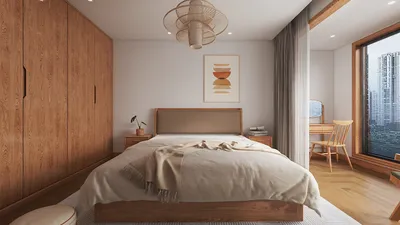


Teal introduces a modern sophistication to dining spaces, striking a balance that is bluer than emerald and richer than aqua. Its versatility allows it to complement various design styles, from mid-century aesthetics to contemporary classics. More than just a stylish choice, an effectively designed teal atmosphere fosters comfort and encourages conversation. Research in color psychology emphasizes that blue-green tones can evoke serenity and clarity; for example, Verywell Mind indicates that such cool shades may help in reducing stress levels, making them perfect for enjoyable dinner gatherings. Furthermore, Gensler's studies in workplace environments highlight the benefits of harmonious color schemes paired with proper lighting, enhancing mood and engagement—concepts that readily apply to social dining settings.
Lighting is a crucial component, just like your wall color. The Illuminating Engineering Society (IES) suggests achieving a lighting level of 150-300 lux in dining areas, ensuring that faces are visible and food appears appetizing. Utilizing 2700-3000K warm-white lighting enhances skin tones and the textures of the dining setup. To create a versatile lighting atmosphere, consider low-glare pendant fixtures above the table, along with dimmer switches to transition from casual meals to intimate evening gatherings. WELL v2 guidelines also emphasize the importance of glare-reduction and flicker-free lighting for visual comfort, which can easily be achieved by selecting high-quality LED fixtures and diffusers.
Choosing the Right Hue: Teal Tone Selection
I categorize teal into three distinct groups: muted mineral teal (for a subtle yet elegant look), classic jewel teal (offering a well-balanced blue-green), and deep peacock teal (for a bold, dramatic flair). In north-facing rooms, introduce warmth through a jewel teal accented with a hint of yellow; deeper peacock shades are suitable for south-facing spaces without overwhelming the room. Always consider the LRV (light reflectance value): mid-LRV teal walls (~25-40) provide an intimate atmosphere without feeling cave-like, while darker cabinetry can offer a striking contrast. It's advisable to test large paint samples during different times of the day alongside your table and upholstery choices.
Lighting Design Essentials: Dimmable and Glare-Free
Establish three essential layers of lighting: ambient (ceiling or wash lighting), task (pendants above the dining table), and accent (sconces or picture lights). The pendant's diameter should be about half to two-thirds that of the table, positioned 28-34 inches above the tabletop to maintain clear sight lines. Opt for bulbs with a CRI above 90 to ensure that the food looks appealing; teal contrasts wonderfully with warm woods and metals, benefiting from high color fidelity. If you are unsure about fixture placements or the size of your table, utilizing an interior layout planner like Homestyler can help simulate and assess your designs effectively before making any changes.
Optimal Furniture Scale and Ergonomics
I find a table height of about 30 inches to be ideal, with 10-12 inches of knee space beneath. For seating comfort, look for chairs with 18 inches height and 16-18 inches depth, adding cushions to sculpted wooden designs if desired. Allow for at least 24-30 inches of width per person. Walk-around space should be a minimum of 36 inches, or 42-48 inches for frequent service or if you have a bar cabinet. These considerations promote a serene teal environment, preventing it from becoming cramped or uncomfortable.
Material Combinations: Harmonizing Wood, Metal, and Stone
Teal shines when anchored by tactile neutral materials. I frequently set it against rift white oak, walnut, or smoked ash. Use brass for warmth, blackened steel for an edgy contrast, and polished nickel to cool things down. For stone selections, consider honed marble or quartz that features subtle veining; teal beautifully highlights gray accents. If sustainability is important to you, seek FSC-certified woods and Greenguard Gold certified finishes, as WELL v2 advocates for low-VOC materials that enhance indoor air quality—especially beneficial in dining settings.
Textiles and the Impact of Color Psychology
Layering textiles can balance out teal's depth: use linen drapery in warm oatmeal, bouclé or mohair upholstery for chairs, and a low-pile rug to control sound. Pair teal with warm undertones such as terracotta, camel, or soft blush shades for a welcoming ambiance. For a more coastal feel, combine it with light hues like chalky whites and soft grays. When considering patterns, one large-scale item (such as curtains or rugs) alongside two smaller accents (napkins, cushions) creates a harmonious rhythm without overwhelming the visual space.
Accents That Enhance Teal
- Warm metallics: brushed brass, antique gold
- Earthy tones: cognac leather, clay, rust
- Neutrals: bone, parchment, mushroom gray
- High contrast: bright white tableware and matte black cutlery
- Botanical greens: eucalyptus stems which reflect teal's coolness without clashing
Wall Designs: Painting, Paneling, and Wallpaper
- Full coverage: Paint all four walls in a mineral teal for a cozy effect, while employing a soft warm white (LRV 80+) ceiling for height.
- Half-height paneling: Consider box molding or beadboard painted teal on the lower third—this balances dramatic elements with brightness. The top could be finished in warm white or pale stoney hues.
- Wallpaper: Integrate grasscloth or woven walls for texture and to break up bold color saturation, improving acoustics while subtle metallic accents catch light for a touch of evening elegance.
Art, Mirrors, and Styling Considerations
Select pieces with warm undertones—certain sepia photographs or ochre-hued abstracts can soften teal's coolness. A strategically placed mirror opposite a window increases natural light; opting for thin frames helps maintain a clean aesthetic. For table décor, consider low-profile centerpieces (maximum height of 12 inches) allowing for unobstructed views. I suggest solid ceramic bowls, single-flower varieties, or seasonal branches for sculptural elements set on a sideboard instead of the dining table.
Acoustic Management for Enhanced Conversations
Hard surfaces can amplify noise; counteract this by adding a rug (typically an 8x10 under a 6-8 seat table) alongside lined drapes and upholstered seating. Sconces featuring fabric shades and textile-wrapped pendants also assist in sound diffusion. The objective of these measures is to achieve an intimate reverberation time—allowing conversations to flow without excessive volume.
Teal Application in Small vs. Large Dining Areas
- Small spaces: Apply mid-tone teal on the walls, keep trim and ceilings lighter, and utilize mirrors along with high-CRI lighting. Choosing furniture with open bases and a round table enhances flow, while a snug banquette on one side can free up space for movement.
- Large spaces: Deep peacock teal can beautifully balance scale. Ground the design with a long rectangular table coupled with a sizeable woven rug, ensuring multiple light sources are present. Consider using paneling or structured wall art to keep the visual flow cohesive.
Mixing Metal Finishes and Hardware Considerations
Teal adapts wonderfully with mixed metals as long as the proportions are intentional: 70% primary finish (for instance, brushed brass), 20% secondary (black), and 10% accent (like polished nickel). Harmonizing door hardware with fixture finishes can minimize visual clutter. For storage, using ribbed glass or reeded wood creates striking shadow patterns against teal backgrounds.
Dining Nook and Open-Plan Strategies
In open-plan living, use teal to define the dining zone by painting a color-block rectangle behind your table or encasing a nook in teal grasscloth. For breakfast areas, a softer mineral teal feels light and airy, especially when paired with café curtains and a pedestal table. If you need to manage traffic flow between your kitchen and dining space, a tool like an interior layout planner can assist you in mapping chair pull-out clearance and pendant alignment with kitchen islands.
Interior Layout Planner
Proven Styling Formula That Works
- Walls: Jewel teal in a washable matte finish
- Ceiling and Trim: Soft warm white, eggshell finish
- Table: Oiled walnut at a 30" height
- Chairs: Upholstered with an 18" height and brass accents
- Lighting: 3000K, CRI of 90+, adjustable and with fabric-shaded pendants
- Rug: 8x10 wool flatweave for a cozy touch
- Metals: 70% brass, 20% black, and 10% polished nickel
- Accents: A terracotta vase, a linen runner in parchment, and eucalyptus foliage
Maintenance Tips for Longevity
Opt for scrubbable, low-sheen paint to ensure you can easily manage touch-ups. Always use coasters and placemats to protect surfaces, and consider sealing wooden tables annually if they are oiled. Regularly vacuum rugs to preserve fiber integrity, and rotate your artwork and textile décor seasonally to keep the ambiance fresh without the need for repainting.
Frequently Asked Questions
Q1: Which teal works best in dimly lit spaces?
A1: A jewel teal with subtle yellow undertones prevents the atmosphere from becoming too cold. Combine this with 2700-3000K lighting and high-CRI bulbs to enhance warmth and true color.
Q2: What's the ideal brightness level for my dining room?
A2: Aim for an overall brightness of 150-300 lux with a dimmable pendant placed over the table, as per IES recommendations for residential dining—offering a balance between visibility and ambiance.
Q3: Which wood tones pair well with teal?
A3: Walnut and white oak are my top choices. Walnut contributes sophisticated depth, whereas white oak brightens the palette and maintains a crisp teal appearance.
Q4: Is teal a fleeting trend for a long-term design?
A4: Not if it’s paired with timeless elements—solid timber, classic metal finishes, and simple forms. Keeping large furniture pieces neutral allows teal on walls or textiles to offer seasonal updates easily.
Q5: How can I minimize glare from overhead lighting at the dining table?
A5: Utilize diffused light shades, position your pendant 28-34 inches above the table surface, and choose dimmable, flicker-free LED lighting. Choosing matte finishes for your tabletop can further reduce glare.
Q6: What should I do if my dining room is compact?
A6: Select a mid-tone teal, keep the ceiling light, choose a round table, and guarantee a minimum of 36 inches of clearance. Mirrors and unobtrusive centerpieces help preserve an open feel.
Q7: Which accent colors enhance teal without overshadowing it?
A7: Warm neutrals like camel or parchment, alongside brass accents, and hints of botanical greens. For contrast, introduce small elements of matte black or bright white in your table settings.
Q8: Can wallpaper complement teal walls?
A8: Absolutely—consider grasscloth or a neutral textured wallpaper against a single wall or framed within panels to add softness in both sound and visual appeal without competing with the teal color.
Q9: What seating ergonomics should be prioritized?
A9: Aim for a seat height of about 18 inches, a seat depth of 16-18 inches, and allocate 24-30 inches of table width per person while ensuring 10-12 inches of space for knees beneath the table.
Q10: How do I delineate an open dining area using teal?
A10: Implement a color-blocked teal wall behind the dining table, pair with a significant rug, and ensure pendant lighting aligns with table positioning. It's essential to maintain a consistent metal finish across all fixtures for visual harmony.
Q11: Which finishes offer long-term durability for family dining?
A11: Choose performance fabrics with stain-resistant properties, washable matte wall paint, and either sealed wood or durable composite table materials. Opt for low-VOC materials to enhance indoor air quality.
Q12: How can I test room layouts before finalizing changes?
A12: Outline chair positions and pendant locations with tape on the floor, and utilize a room design visualization tool like Homestyler to digitally modify circulation and sightlines prior to installation.
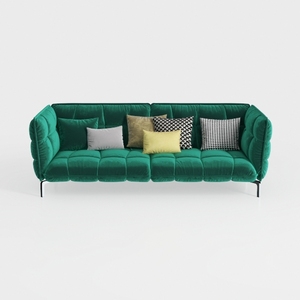

Modern Emerald Velvet Tufted Sofa With Decorative Throw Pillows 3D Model

Modern Two Tone Lacquered Sideboard Cabinet 3D Model
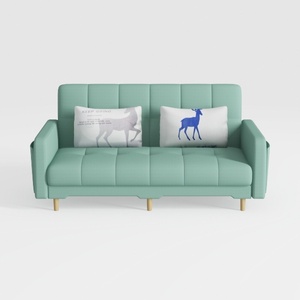
Minimalist Fabric Tufted Loveseat Sofa with Decorative Throw Pillows 3D Model
Looking to transform your space? Homestyler is your go-to online home design platform! With its user-friendly design tool, stunning 3D renderings, and a plethora of DIY video tutorials, you’ll find everything you need to create your dream home—easily and inspiringly.
Diseño ahora GRATIS
































