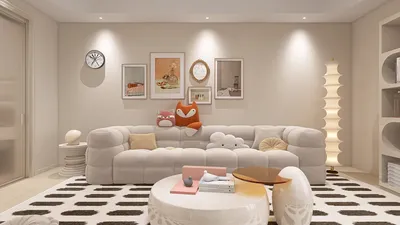


A while ago, I made the mistake of installing a large mirror in a client's dining room too low, leading guests to constantly check their appearance during meals. This experience was quite embarrassing, but it underscored an important lesson: the placement of mirrors is crucial to both functionality and design. The right large mirror can completely alter the feel of even a modest dining space, and thoughtful planning is essential.
1. Floor-to-Ceiling Statement Mirror
Utilizing a full-height mirror not only creates the illusion of extra height but also enhances light reflection. I applied this concept to a narrow dining area in a townhouse, where the mirror effectively erased part of the wall and dramatically highlighted the chandelier. Be cautious with dimensions and fragility; choose tempered glass with polished edges, or opt for a set of slim panels if transport is a concern.
save pin
2. Oversized Round Mirror Above the Sideboard
A large round mirror can soften the lines in angular rooms, serving as a captivating centerpiece above a buffet or sideboard. I suggested this to a client embracing minimalist decor: the curves of the mirror contrasted beautifully with the straight lines, enhancing the reflections of the table settings. Keep in mind that heavy round mirrors require robust mounts like a strong cleat or French cleat for stability.
save pin
3. Mirrored Wall Panels in Grid Formation
Grid-style mirrored panels can give the impression of a windowed wall when adding actual windows isn’t an option. In one project, I combined mirrored tiles with thin black framing to emulate an industrial-style window; this effectively expanded the space. These panels allow for easier installation and replacement, but be aware that grout or seams can attract dust if not meticulously maintained. Using slim spacers can enhance the architectural feel.
save pin
4. Antique-Look Leaning Mirror for Casual Elegance
Leaning mirrors exude a relaxed charm and can be easily moved around. For a client who loved vintage decor but rented their home, a large antique-style leaning mirror introduced personality without damaging walls. However, it's vital to secure the top with a safety bracket, especially in homes with pets or children to prevent accidents.
save pin
5. Mirrored Sliding Panels to Conceal Storage
Mirrored sliding panels cleverly combine aesthetic appeal with functional storage solutions. I designed such panels for a compact condo where the pantry was adjacent to the dining area; this not only kept the appearance streamlined but also brightened up the room. A downside could be the frequent need to clean off fingerprints, so opting for low-iron glass and a finish that withstands regular cleaning is advisable.
Practical tip: Always assess the sightlines from a seated position and experiment with cardboard cutouts before purchasing glass. If you're seeking a quick 3D visualization of your options in your dining room, consider utilizing the room planner tool offered by Homestyler, which previously saved me hours of planning time on a project.
save pin
Tips 1:
Budget consideration: The cost of large mirrors can vary widely from affordable framed panels to custom-made low-iron glass options. I typically reserve 5–10% of a dining room refresh budget specifically for mirror enhancements, as they offer significant visual impact. When mounting mirrors, utilize rated anchors and, for heavier pieces, consult a professional for installation—the cost is minimal compared to the risk of a mirror falling.
save pin
FAQ
Q: Will a large mirror make my dining room appear larger? A: Absolutely—mirrors reflect light and scenery, providing a sense of depth. Properly positioning the mirror opposite a window maximizes this benefit.
Q: What is the ideal height for hanging a mirror above a dining table? A: Maintain a gap of around 30–36 inches between the table surface and the mirror’s bottom edge; ensure that the chandelier and mirror complement rather than clash with each other visually.
Q: Are framed or frameless mirrors preferable for dining rooms? A: Framed mirrors add a touch of style and conceal edges, while frameless mirrors offer a modern, seamless look. Your choice should align with the overall aesthetic and maintenance requirements of your space.
Q: How can I prevent a leaning mirror from tipping over? A: Secure it using a top safety bracket mounted to the wall, or employ earthquake straps; also use non-slip pads at the base for stability.
Q: Can mirrors damage light fixtures by reflecting heat? A: Standard mirrors typically don’t focus enough heat to harm fixtures; just ensure they are positioned at a safe distance from high-heat sources like candles.
Q: What’s the best way to clean a large dining room mirror? A: Utilize a microfiber cloth alongside a diluted glass cleaner or vinegar mix; cleaning in vertical or horizontal motions will help avoid streaks. For authoritative advice on cleaning guidelines, refer to the EPA’s recommendations on household surfaces (https://www.epa.gov).
Q: Is low-iron glass worth the investment for large mirrors? A: Low-iron glass provides clearer reflections by eliminating the green tint found in regular mirrors, making it ideal for impressive statement pieces; I highly recommend it.
Q: Can mirrored sliding panels be tailored to accommodate unconventional storage? A: Yes, sliding systems are exceptionally adaptable; a skilled cabinetmaker or design tool can create panels to fit your unique storage configuration.
save pin
Discover the ease of home design with Homestyler! This online platform offers a user-friendly design tool, stunning 3D renderings, and a wealth of inspiring design projects. Plus, enhance your skills with DIY video tutorials. Transform your space effortlessly today!
Projete agora para LIVRE
































