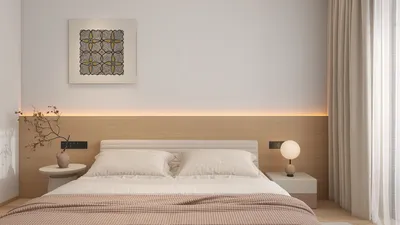


Transforming an ordinary corridor into a Hall of Frames is an exciting endeavor; it can serve as a curated gallery that reflects personal narratives while also functioning as an essential design element. A strategically designed wall display can alter the perception of a space, adding rhythm and guiding movement, thus becoming a daily reminder of emotions and memories.
Optimal lighting is essential for any gallery space. According to the Illuminating Engineering Society, ideal illuminance levels for residential task areas should range from 200–500 lux, whereas accent lighting for artworks is typically positioned between 150–300 lux to mitigate glare and maintain contrast. In office environments, visual fatigue diminishes when ambient and focal lighting are balanced. This concept is emphasized in WELL v2’s Light framework, which highlights effective glare control and supports circadian rhythms. Utilizing these guidelines offers a solid foundation for lighting corridors and living areas, ideally starting with ambient light around 200–300 lux and accent lights directed at individual pieces.
Balancing visual elements and patterns is equally crucial as luminosity. Research from Steelcase indicates that a visually orderly setup diminishes cognitive load, aiding individuals in navigating spaces more peacefully. I apply this principle when arranging multiple pieces by maintaining consistent spacing—typically 2–3 inches between frames—and ensuring that top lines or centerlines align, establishing a rhythm that helps viewers comfortably appreciate the display.
Establishing Intent: Narrative, Atmosphere, and Flow
Before placing any frame, I determine the narrative. Is this wall designated for family memories, travel highlights, or modern art? The overarching intent dictates the arrangement style: a linear layout works well for family photos, a grid for graphics, or an asymmetrical design for diverse collections. Additionally, I consider how individuals will move through the space—long hallways benefit from a sequencing that encourages slow viewing, while focal walls in living rooms should have an immediate point of interest.
Height and Scale: Aligning with the Eye Level
Determining the eye-level for art can be inconsistent. In most residential environments, I aim to place artwork around 57–60 inches from the floor, making adjustments based on ceiling height and furniture placement. For instance, when there’s a sofa, the bottom edge of the frames should be at least 6–8 inches above the backrest. In tighter hallways, I prefer slim frames and vertical arrangements to create an illusion of height. For spaces with high ceilings, I may use a stair-stepped arrangement to mirror the architecture while preserving a consistent anchor line to avoid visual confusion.
Selecting a Design: Grids, Galleries, and Linear Alignments
I generally design three types of layouts. Grids suit uniform frames and graphic elements, imparting a calm and modern feel. Salon-style galleries incorporate various sizes and materials, unified by color or matting, and are great for storytelling. Linear arrangements either top-aligned or center-aligned can stretch along corridors or above furniture pieces. When determining spacing or sightlines for longer walls, using a room layout tool like Homestyler enables me to visualize rhythm and continuity before making any irreversible decisions.
room layout tool
Illuminate the Art, Avoid the Glare
Glare diminishes the detail and color quality of artwork. To preserve the true palette, I opt for adjustable LED accent lights with a CRI above 90. For mid-sized artworks, beam spreads of 20° to 40° are typically effective, while larger pieces often require double fixtures. Tilting lights at approximately 30° can help minimize reflections; additionally, avoiding direct downlights over glass is advisable. If the artwork receives significant daylight exposure, adding UV-filtering acrylic and low-reflectance mats is beneficial. In the evening, utilizing a color temperature between 2700–3000K helps maintain warm hues; for contemporary photography, 3000–3500K can accent whites without feeling sterile.
Understanding Color Psychology: Frames, Mats, and Wall Colors
Color significantly impacts how we engage with art. Neutral frames (black, white, or wood) harmonize effortlessly with the display; meanwhile, colored mats can influence emotional responses—cool shades like blue instill calmness, vibrant reds energize, and greens create balance. Insights from Verywell Mind on color psychology stress that blue is linked to serenity while red ignites excitement; I subtly incorporate these cues through matting and accent colors. For walls intended to recede visually, soft gray-greens provide a desaturated backdrop, allowing art to stand out without overwhelming the senses.
Material Choices and Sustainability
Material selection affects both visual appeal and durability. Opting for FSC-certified wood and recycled aluminum for frames helps minimize environmental impact. UV-filtered acrylic is preferable to glass, particularly in high-traffic corridors, and using acid-free mats and backing ensures that photographs maintain their quality over time. When considering frame sizes, modular standard frames are my preference to reduce waste and facilitate easy updates in the future.
Creating Rhythm: Spacing, Alignment, and Negative Space
Establishing rhythm relies on repetition and the presence of pauses. I maintain consistent spacing—2–3 inches for smaller frames and 3–5 inches for larger pieces. A unified baseline or centerline is crucial to prevent visual disruption. To give viewers visual respite, I incorporate a negative-space pocket or select a larger piece that serves as a visual anchor. If the wall appears overcrowded, it's often more effective to remove an item than to force tight spacing.
Combining Media: Photos, Prints, Textiles, and Objects
My Hall of Frames can incorporate diverse elements beyond flat artwork. By mixing framed photographs, risograph prints, small canvases, and textiles or sculptural pieces, I add depth to the display. Shadow boxes provide a space for personal memorabilia—like concert tickets or travel souvenirs—to contribute to the overall narrative. It’s important to keep any items that extend more than 2 inches from prominent paths to prevent accidental snagging.
Human Factors: Viewing Distance and Movement
Comfort while viewing artwork is related to distance. Small-format images are best appreciated from 18–36 inches away; medium-sized pieces should be viewed from 3–5 feet, while larger works are ideal at 6–10 feet. In corridors narrower than 42 inches, I recommend focusing on medium-to-large pieces that have bold compositions, as people won't linger closely for extended periods. Clear pathways must be maintained, ensuring that art brings joy rather than obstacles.
Acoustic and Environmental Considerations
Corridors often have echoing qualities. Adding soft features—like fabric hangings, cork-backed frames, or runners—can absorb sound. For walls facing noisy areas, it’s wise to choose resilient glazing that mitigates noise and ensure frame hardware is secure. A stable ambient light layer reduces harsh contrasts that can tire the eyes as individuals walk through the space.
Curating Content: Unity Through Theme and Tones
Eclectic collections benefit from a single unifying element, whether it’s a consistent mat color, a specific frame finish, or a cohesive tonal palette. I often choose two prominent artworks as anchors around which to cluster smaller pieces. When mixing colored and monochrome works, I suggest keeping black-and-white items together for a serene aesthetic while dispersing pops of color to highlight certain aspects.
Installation Techniques: Hardware and Precision
Choose the correct anchors depending on the wall type—like drywall toggles for heavier frames or masonry anchors for brick walls. A laser level aids in achieving perfect alignment. To stop frames from tilting, I install two hooks per frame and place small rubber bumpers on the bottom corners. It’s also useful to label the backs for future rearrangement. I create a layout map detailing spacing and centerline heights, which saves time when updating the wall later.
Adopting a Gallery: Refresh and Rotate Regularly
A Hall of Frames thrives on change. By rotating seasonal items, replacing travel snaps after new adventures, and including children’s artwork with proper framing, the display remains fresh. A storage bin for retired pieces, complete with protective sleeves and notes, allows for easy transitions. Over time, the wall evolves into a visual record of experiences within that space.
Credibility References
Strategies concerning lighting and visual comfort are informed by guidelines from the Illuminating Engineering Society and the WELL v2 Light concept, while Steelcase’s research provides insights on visual organization advantages in human-centered settings.
IES standards | WELL v2 Light
Frequently Asked Questions
Artwork should be centered around 57–60 inches from the ground, making adjustments based on ceiling height and viewer height in mind. Favor vertical compositions in narrow corridors to enhance the illusion of space.
It is ideal to maintain ambient lighting around 200–300 lux, with accent lights directed at approximately 30° to limit glare. LED fixtures with a CRI of 90+ and a color temperature of 2700–3000K produce warm tones, whereas up to 3500K works well for enhancing contemporary photography.
Avoid utilizing direct downlights; instead, opt for angled accent lighting and low-reflectance mats. Invest in UV-filtered acrylic glazing to minimize reflections and safeguard against fading.
Consistent spacing should be maintained—2–3 inches for smaller frames and 3–5 inches for larger pieces. Establishing a common baseline or centerline is essential for visual coherence.
Achieve cohesion via a singular element: a consistent frame style, shared mat color, or a specific tonal palette. Develop around two anchor pieces and support them with clusters of smaller works.
Yes, utilizing a layout simulation tool like Homestyler allows you to visualize sightlines, spacing, and rhythm prior to installation, consequently minimizing uncertainty and wall repairs.
Neutral frames ensure the focus remains on the artwork. Use mats to channel emotions—blues evoke tranquility, reds inspire energy, and greens promote equilibrium—drawing insights from established color psychology.
Implement shadow boxes for dimensional elements and maintain projections under 2 inches near pathways. Ensure that hardware is secure and check weight limits.
Integrate UV-filtered glazing, carefully positioning sensitive works away from direct sunlight, and utilizing controllable layered lighting to uphold contrast and color accuracy.
Regular updates keep the display dynamic. Rotate artworks after major life events or travels and archive retired pieces in protective sleeves with notes for easy accessibility in the future.
Built on technology originally developed at Autodesk, Homestyler empowers anyone to design beautiful, realistic spaces in minutes. Join over 18 million users who have already discovered a smarter way to plan, visualize, and bring their dream homes to life — all from the comfort of a browser.
Discover the power of Homestyler, your go-to online home design tool! With stunning 3D renderings, a vast array of design projects, and engaging DIY video tutorials, transforming your space has never been easier. Unleash your creativity and start designing today!
Design Now for FREE
































