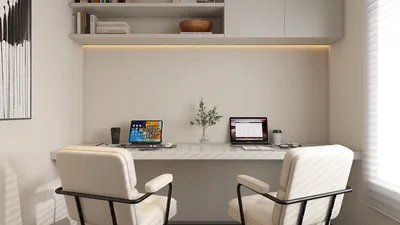


I once worked with a client who wanted their studio transformed into a whimsical "fairy-forager’s cave," complete with playful mushroom accents. Initially, I chuckled at the idea, but I soon realized that these imaginative concepts can lead to the most unforgettable spaces. For quick visualizations, I often use an AI home design platform, like Homestyler, to experiment with color schemes and layouts, assessing how shades inspired by mushrooms come to life in actual light.
1. Subtle Mushroom Accent Wall
I frequently recommend painting one accent wall in a gentle mushroom taupe or cappuccino brown, which adds stability to the room without turning it into a themed display. This color harmonizes beautifully with cream textiles and wicker elements. However, lighting poses a challenge—darker walls require layered lighting to prevent a cavernous feel. The result is a cozy, sophisticated atmosphere.
save pin
2. Mushroom Motif Bedding and Textiles
Textiles are an invaluable resource for creating mood shifts. Incorporating throws, duvet covers, or curtains adorned with subtle mushroom prints helps establish the theme without permanent commitment. This approach is budget-friendly and allows for easy updates. Just be mindful of scale; oversized patterns may come off as juvenile in a mature bedroom, so delicate designs are preferable.
save pin
3. Mushroom-Shaped Lighting
Mushroom-inspired lamps and pendant lights add character and sculptural interest to a room, especially after dark. I’ve successfully used a cluster of ceramic mushroom sconces over a reading nook, providing charm along with functionality. To see how light interacts with surfaces, I recommend creating mockups using realistic 3D renders, which can be incredibly informative before purchasing light fixtures.
save pin
4. Natural Materials and Earthy Palette
Combine mushroom hues with raw wood, rattan, and linen to cultivate a serene, organic atmosphere. I generally encourage clients to include a few living plants, as themes centered on fungi benefit from companionship. To stay within budget, consider using wood-look alternatives instead of solid wood, focusing on natural fabrics for essential items like pillow covers and curtains.
save pin
5. Tiny Mushroom Shelves & Curio Displays
Small mushroom-shaped shelves or ceramic toadstool decorations can serve as delightful accents on a shelf. These low-cost, charming pieces are perfect for displaying books or plants. The major guideline here is moderation; I advise highlighting one or two elements to avoid a cluttered look.
save pin
Tips 1:
For small bedrooms, maintain neutral large surfaces and introduce mushroom elements through accents and lighting fixtures. Start with a standout piece; if it resonates, you can effortlessly integrate more. Additionally, observe paint colors at various times of day before making a final decision.
save pin
FAQ
Q1: What defines mushroom bedroom decor?
It is a design approach featuring colors, shapes, and motifs inspired by mushrooms—think earthy browns, soft taupes, organic curves, and small fungi accents. The aim is to create cozy and slightly whimsical environments without going overboard.
Q2: Is mushroom decor suitable only for children?
Certainly not. With muted colors and natural materials, mushroom decor can exude sophistication and maturity. The key is moderating scale and using restraint—subtle textiles and artistic lighting fixtures maintain a grown-up aesthetic.
Q3: How can I incorporate mushroom touches on a limited budget?
Begin with textiles, smaller decorative items, and a lighting fixture—these are economical choices. Thrifted items or DIY paint adaptations of mushroom motifs on simple pillows can offer both charm and affordability.
Q4: Do dark mushroom walls make my small bedroom feel even smaller?
When balanced with bright linens, mirrors, and layered lighting, dark walls can create a cozy ambiance instead of a cramped one. I suggest painting a single wall or opting for a darker hue on the headboard wall to maintain a sense of space.
Q5: Any tips for selecting mushroom tones?
Apply swatches directly to your walls and observe them during morning and evening light conditions. Warm mushroom shades can appear different under LED lights compared to natural light, so it’s wise to test before committing to paint.
Q6: Can I blend mushroom decor with other design trends?
Absolutely! Mushroom tones complement styles like Japandi, cottagecore, and modern minimalism as long as the palette remains cohesive. Employing a singular color or material—such as oak or linen—can facilitate smooth stylistic integration.
Q7: Are there safety considerations when selecting materials?
Ensure that any lighting fixtures comply with local electrical standards and verify that wall anchors can support mounted pieces. For safe interior design practices and professional guidelines, resources like the American Society of Interior Designers can be quite beneficial (https://www.asid.org).
Q8: How can I visualize the completed room before purchasing?
I often create quick visualizations to test colors and layouts, which ultimately saves both time and money. If you’re seeking realistic previews, exploring AI interior design showcases like Homestyler can reveal how mushroom palettes will appear in real-life settings.
save pin
Discover your home's potential with Homestyler! This user-friendly online design tool allows you to create stunning spaces with realistic 3D renderings. Explore various design projects and enhance your skills through engaging DIY video tutorials. Transform your vision into reality effortlessly!
Concevez maintenant gratuitement
































