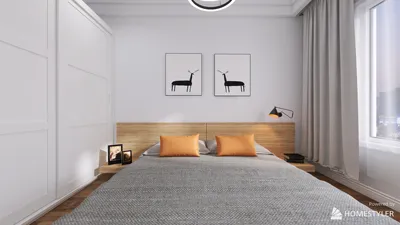


I once worked with a client who wanted their bedroom to evoke the fragrance of a meadow, so I suggested hanging a bundle of dried lavender by the window. This unconventional request taught me how small, garden-inspired elements can transform a compact bedroom into a lush retreat. Working with limited space sparks creativity; even minor adjustments can yield significant results. In this article, I'll share five actionable ideas for decorating a garden-themed bedroom, along with candid insights into what works and what tends to complicate things.
1. Energize the floor with a botanical rug
A striking botanical rug serves as the foundation of the room, offering a garden essence without the upkeep. I've incorporated large leaf patterns in rental bedrooms that prohibited plants; it contributes to a natural and inviting atmosphere. The advantage is immediate character and warmth, but a small challenge exists in the pattern scale—it can overwhelm a small space. Opt for a muted color scheme or position the bed to partially obscure the design for a balanced look. If you're keen to test layouts before making a purchase, the 3D floor planner offered by Homestyler can help you visualize the scale within your room.
2. Design a living wall with low-maintenance plants
Vertical greenery breathes life into an otherwise dull wall, making it ideal for compact rooms. I suggest using pothos, snake plants, or philodendrons arranged on staggered shelves or in wall-mounted planters. This addition not only enhances visual appeal but also improves acoustics and air quality. Keep in mind the downsides: humidity levels and light requirements—these plants thrive in low light but need to be rotated occasionally and placed in drainage trays. A simple plant care routine, including weekly misting and monthly feeding, can keep these displays flourishing.
save pin
3. Apply botanical wallpaper to a single statement wall
I frequently choose to wallpaper one accent wall with floral or leafy designs to create a focal point without overwhelming the entire space. This cost-effective choice can deliver a designer feel. The benefits include remarkable visual impact, but it does come with the risk of being too committed to a pattern—changing it can be more difficult than swapping out textiles. To ensure harmony, I match throw pillows or a bed runner to the wallpaper’s secondary hue, creating a cohesive look rather than a chaotic one. For precise placement and to try out different paper orientations, I sometimes use a free floor plan creator before ordering my wallpaper rolls.
save pin
4. Layer natural fabrics and ambient lighting
Materials like linen, hemp, and woven rattan infuse a garden vibe through texture. I complement these fabrics with warm, layered lighting—incorporating string lights, a soft bedside lamp, and dimmable overheads to simulate a golden-hour ambiance. The benefits are substantial, as this approach is budget-friendly and easy to refresh. A minor drawback is that natural fibers can easily wrinkle and may require regular upkeep. A practical suggestion is to keep a lightweight throw at the end of the bed for an instant polished look after guests depart.
save pin
5. Incorporate vintage garden furniture as nightstand alternatives
Repurposing garden stools or a quaint painted metal bistro table can lead to charming and unexpected bedside tables. I once found a rusty stool at a flea market, and it quickly became the centerpiece of a client’s bedroom, fostering an inviting indoor-outdoor narrative. However, be cautious regarding stability and finish—metal can damage flooring, and vintage items may need a protective coating. If you're uncertain about the dimensions or arrangement, creating a quick mock-up with a kitchen layout planner or room visualizer can help avoid buyers’ remorse.
save pin
FAQ
Q: What are some suitable low-light plants for a garden-themed bedroom?
A: Pothos, snake plants, and ZZ plants are great options for low light; they’re resilient and help filter the air.
Q: How can I achieve a garden aesthetic on a budget?
A: Start with textiles and select one accent wall—accessories like throws, pillows, and botanical rugs offer substantial impact for minimal expense.
Q: Is wallpaper a viable option for renters?
A: Peel-and-stick botanical wallpaper is renter-friendly and removable, providing style without long-term commitment.
Q: How can I avoid humidity issues with indoor plants?
A: Place saucers under pots, avoid overwatering, and ensure sufficient air circulation; a small dehumidifier can be beneficial in sealed environments.
Q: Could vintage metal furniture harm my flooring?
A: Yes, unless you apply felt pads or a protective mat. A clear top coat can also prevent rust transfer.
Q: How do I determine the right pattern scale for a small bedroom?
A: Choose medium to large designs but maintain a limited color palette; utilizing a 3D rendering tool helps assess proportions.
Q: Are dried flowers potentially allergenic in the bedroom?
A: Dried flowers can collect dust and provoke allergies in sensitive individuals—consider using sealed bundles or replacing them with faux alternatives.
Q: Where can I learn more about planning bedroom layouts and testing different designs?
A: For effective layout tools and visual representations, Homestyler offers excellent planning resources and examples (see Homestyler's 3D floor planner for visuals). For insights into plant care, the Royal Horticultural Society provides authoritative information (https://www.rhs.org.uk).
save pin
Discover the joy of home design with Homestyler! This user-friendly platform offers an intuitive online design tool, stunning 3D renderings, a wealth of design projects, and informative DIY video tutorials. Transform your space effortlessly and unleash your creativity today!
Design Now for FREE
































