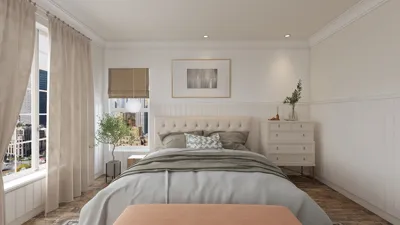


I once had a client who envisioned a life-size desert within her compact studio — she desired a towering saguaro reaching the ceiling alongside a real sand tray beneath it. After some sketches and debates over scale, the mural turned into the room’s centerpiece; it was my initial significant lesson in demonstrating how a cactus theme can transform a small area into something grand. For efficient visual planning and to envision the end result, I frequently initiate the process with a cactus mural inspiration render to prevent scale issues.
1. Striking Singular Cactus Mural
I adore a bold, singular cactus depicted on a prominent wall — it behaves like a piece of furniture without utilizing any floor space. This brings immediate drama with minimal clutter; however, the challenge lies in perfecting the scale, so I always create mock-ups on paper or utilize a projector to assess placement.
save pin
2. Repeated Cactus Pattern Accent Wall
For renters or those on a budget, a repetitive stencil design is invaluable: it's quick to apply, enhances small spaces, and appears surprisingly modern when the palette is limited. It’s a cost-effective solution, although patterns can seem overwhelming in very small areas, so I advise limiting it to just one accent wall.
save pin
3. Mini Desert Scene in Nooks and Kitchens
Transform narrow nooks, pantry doors, or a small kitchen breakfast area into a petite oasis — consider a painted pot, a few stylized cacti, and soft gradient backgrounds. This approach is ideal for apartments where expansive murals might be excessive; it also beautifully complements tiles and open shelves, making for delightful kitchen makeovers. The only drawback: humid areas require moisture-resistant paints to avoid peeling.
save pin
4. Mixed Media: Paint Combined with Real Succulents
Merge painted outlines of cacti with a slim floating shelf to accommodate real succulents. The texture brought by live plants enhances a flat mural and adds a living component, but meticulous planning for watering is essential — real plants entail occasional drip protection and ongoing care.
save pin
5. Geometric Silhouettes and Negative Space
My preferred choice for contemporary spaces is geometric cactus forms with ample negative space and two-tone contrasts. This style appears minimal yet feels intentional, making it forgiving if your walls aren't flawlessly straight. When optimizing layouts, combining this aesthetic with modular furniture enhances flow and efficient space organization. One minor challenge is achieving color balance — be sure to test swatches under both natural and artificial lighting.
save pin
Tips 1:
A quick practical tip: always paint a 12" x 12" sample and observe it for a day before making a decision. To achieve a harmonious appearance, select two accent colors along with one neutral and repeat them through textiles and minor accessories.
save pin
FAQ
Q1: What paint is optimal for a cactus wall mural?
A: I suggest using low-VOC matte or eggshell interior paints for murals; these diminish glare and conceal imperfections. In bathrooms or kitchens, opt for semi-gloss or moisture-resistant forms to prevent peeling.
Q2: Can I create a cactus mural myself if I lack artistic skills?
A: Definitely — utilize stencils, projectors, or grid techniques to enlarge a design. Stencils produce crisp repeated shapes while a projector allows for swift transfer of a sketch onto the wall.
Q3: How do I determine the appropriate scale for a cactus mural?
A: Take into account wall dimensions and lines of sight: large seating or a bed below a mural requires proportional spacing. I usually outline with painter’s tape first to visualize the weight before painting.
Q4: Are cactus designs suitable for compact kitchens or bathrooms?
A: Certainly — they can inject personality without creating clutter; just ensure moisture-resistant paints are used in humid areas. Opt for small, vertical cactus motifs in spaces where horizontal room is limited.
Q5: How do I care for a painted cactus wall?
A: Gently wipe with a damp, soft cloth and mild soap for scuffs; avoid abrasive cleaners. Touch-ups are simple using leftover paint stored in a labeled container.
Q6: What colors complement cactus themes best?
A: Earthy greens, terracotta, muted pinks, and warm neutrals create a calming and modern desert palette. Add contrast with a single dark accent or metallic for a contemporary flair.
Q7: Are there health considerations regarding paint?
A: Yes — prioritize low-VOC or no-VOC paints for better indoor air quality, particularly in confined spaces. According to the U.S. Environmental Protection Agency (EPA), selecting low-VOC products can minimize indoor air pollution and reduce exposure to volatile organic compounds.
Q8: When should I seek professional help?
A: Employ a professional for intricate scale murals, textured finishes, or if you desire a high-quality artistic rendition. Experts also assist with preparing surfaces and applying durable finishes for areas with heavy use.
save pin
Discover your dream home with Homestyler! This user-friendly online design platform offers a powerful design tool, stunning 3D renderings, and a wealth of inspiring design projects. Plus, you can enhance your skills with DIY video tutorials. Transform your space effortlessly today!
Progetta ora GRATIS
































