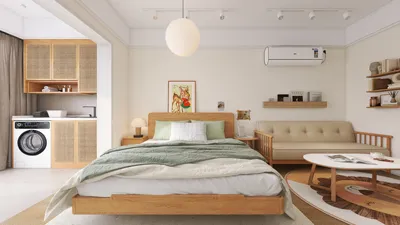


I once had a client request a purple ceiling because it would "make the stars pop". Although I tried to hold back my laughter, that unique request taught me a valuable lesson: small spaces crave character. When designed thoughtfully, purple can transform a compact area into a stunning jewel box, especially when the lighting and proportions are planned well. During my design process, I frequently resort to digital tools like Homestyler to visualize layouts and prevent expensive mistakes.
1. Soft Lavenders for Airy Contrast
I prefer to initiate small room designs with soft lavender paint on three walls, complemented by crisp white trim. This choice allows the purple to feel light and airy instead of overwhelming. The great advantage of this approach is that it keeps the room spacious while still embracing the essence of purple. However, it’s essential to choose between warm or cool undertones carefully to align with your light source.
save pin
2. Accent Wall in Deep Plum
Incorporating a deep plum accent wall behind a bed or sofa introduces depth without crowding a small area. This bold choice not only adds a dramatic flair but also promotes a cozy atmosphere. It pairs beautifully with fittings in brass or matte black; however, be cautious not to overuse dark finishes to avoid making the room appear even smaller.
save pin
3. Pattern Play: Purple Wallpaper or Textiles
For rental spaces or projects on a budget, I advocate for patterned wallpaper or large textiles featuring purple hues. These options make a considerable impact and are removable, providing flexibility unlike permanent paint. Patterns infuse personality into the room and help divert attention from its size limitations; just remember that overly intricate designs can create a cluttered feel, so it's wise to select larger motifs for small spaces.
save pin
4. Purple as a Layer: Accessories and Lighting
Incorporating throw pillows, a velvet pouf, or a purple pendant light allows for experimentation without a long-term commitment. For instance, in one studio I redesigned, the addition of purple lampshades entirely transformed the atmosphere for under $200. My advice is to balance these purple accents with neutral foundational pieces to avoid a heavy aesthetic. Accessories can be forgiving but require careful proportioning.
save pin
5. Monochrome with Texture for Sophistication
Employing a monochromatic scheme with varying shades of purple alongside diverse textures (sheen, matte, velvet, linen) creates a sophisticated vibe while keeping the color palette contained. I executed this in a cozy guest room, resulting in a layered effect rather than a stifling one. The secret lies in blending different textures with a few contrasting neutral touches. If a small kitchenette or nook is nearby, you may want to preview the overall color flow using a virtual kitchen mockup on Homestyler.
save pin
Practical tips and budget reminders
Utilizing tester pots and observing paint colors at various times throughout the day is crucial. I always inform clients that the appearance of purple can drastically change under warm evening light. Opting for one statement piece and echoing its tone in two or three smaller accents is a budget-friendly way to weave the entire scheme together. If storage poses an issue, considering wall-mounted shelves in a complementary shade can save precious floor space while enhancing the color story.
save pin
FAQ
Q1: Is purple good for small rooms?
A1: Yes, when applied thoughtfully. Lighter purple tones can visually expand a space, whereas deeper shades introduce depth; pairing them with neutral colors and adequate lighting prevents the room from feeling cramped.
Q2: What purple shade makes a room feel larger?
A2: Pale lavenders or muted mauves tend to reflect more light and convey an airy feeling. Always test samples on the actual walls, as natural and artificial lighting can dramatically alter perception.
Q3: Can I use purple in a multi-purpose small room?
A3: Absolutely. Purple can serve as a unifying accent across different functional areas (like cushions, rugs, or artwork) to foster a sense of cohesion without visual clutter.
Q4: Are purple wallpapers suitable for rentals?
A4: Removable wallpapers are perfect for rentals — they create a bold effect and can be easily taken down without damaging walls, making them renter-friendly.
Q5: How do I choose complementary colors for purple?
A5: Soft grays, warm beiges, and sharp whites complement purple beautifully; for contrast, consider introducing mustard, soft teal, or muted greens in small doses to enliven the palette.
Q6: What lighting works best with purple walls?
A6: Warm LED lights (2700K–3000K) enhance the cozy quality of purple hues, whereas cooler lights (4000K+) refresh pale purples. Layering ambient and task lighting offers flexibility in design.
Q7: Is purple a trendy or timeless choice?
A7: Purple tends to cycle through trends; however, classic muted purples and thoughtfully designed palettes maintain their timelessness. As Pantone highlighted, Ultra Violet was applauded for its creativity and cultural significance, underscoring purple's enduring influence in design.
Q8: How do I test purple before committing?
A8: Paint large swatches on various walls and observe them at different times of day. Using fabric swatches and repositioning them can also help gauge how the color interacts with textures and lighting in your space.
save pin
Homestyler is your go-to online home design platform! With its user-friendly design tool, stunning 3D renderings, and a treasure trove of DIY video tutorials, you can effortlessly transform your space into a work of art. Start designing your dream home today!
Design Now for FREE
































