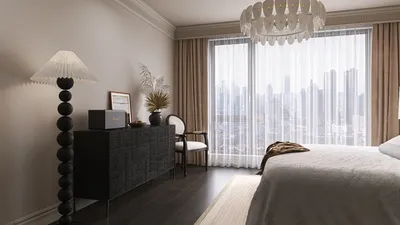


In a past project, I hastily painted a compact galley kitchen with the shiniest latex paint available, only to find it highlighted every fingerprint and resembled a dentist's office for weeks. This experience taught me that sheen and color behave differently in smaller spaces, and understanding a room's layout is crucial before even opening a paint can. Incorporating tools like Homestyler can help visualize these aspects better.
When working with small areas, inventive thinking is essential. A thoughtful application of interior latex paint can transform a simple closet into a cozy nook or make a galley kitchen feel more spacious. Below, I'm sharing five practical inspirations that I've successfully implemented for clients, complete with trade-offs and budget-friendly tips.
1. Matte walls paired with satin trim — a forgiving combination
I appreciate using matte latex on walls as it conceals imperfections well; combining it with trim in a soft satin adds a subtle definition to edges. This approach results in a sophisticated, lived-in ambiance, though the downside is that ultra-matte finishes can be more challenging to clean in high-traffic areas, so I typically save it for bedrooms and living rooms.
Pro advice from my projects: utilize an eggshell sheen in hallways where durability is important, but you still prefer texture to be less noticeable.
2. Tone-on-tone color blocking to create the illusion of larger narrow rooms
In a studio measuring six meters in length, I painted the far wall a subtly deeper latex shade while keeping the adjacent walls lighter. This technique added depth to the space without compromising on cohesion. Latex is perfect for achieving smooth transitions; however, it is vital to test color samples under various lighting conditions throughout the day.
Budgeting tip: purchase sample-sized tubs and use paint swatches on large poster boards—they're inexpensive and allow for easy repositioning in the space.
3. Durable latex for kitchens and wet zones
I consistently recommend high-quality latex in a semi-gloss or satin finish for areas near sinks and cooking zones, as it's easy to wipe clean and withstands moisture. When strategizing paint and layout, consider how the paint interacts with kitchen traffic flow; I refer to this as the 'kitchen flow' which often influences my choice of more resilient sheens.
The downside is that glossier finishes can reveal surface imperfections; therefore, make sure to patch and prime properly. If repainting over oil-based paints, proper sanding or the use of a bonding primer is essential.
4. Accent ceilings and tricks for lower-height spaces
Applying a soft color or even a pale gloss to a ceiling can either enhance or diminish perceived height, depending on your desired effect. For a client seeking a cocooning atmosphere in a bedroom with a low ceiling, I utilized a muted blue latex, making the area feel cozy rather than cramped—just be cautious of glare from glossy finishes.
Important note: striking ceiling colors can appear differently under artificial lighting, so always verify with your actual fixtures before making a final decision.
5. Using paint to replicate materials—smart yet subtle
Latex can mimic a variety of materials such as plaster, concrete, or even aged wood through layering techniques with glazes and sealers. For a client on a budget, I successfully created a soft travertine appearance for an entryway wall, and the result was surprisingly realistic. For intricate layouts, I often draft the paint plan using a visualizer tool like Homestyler or a quick 3D study, allowing clients to preview the tones and finishes prior to commencement.
The trade-off here is labor: achieving faux finishes demands time and precision, so be sure to factor this into your budget if you are aiming for genuine realism.
FAQ
Indeed—latex paint is extendable, dries quickly, and is easy to clean up with water, making it ideal for a variety of interior surfaces. It's less likely to yellow compared to oil-based options and performs well in spaces utilized for day-to-day living.
I generally suggest matte or eggshell finishes for walls to conceal imperfections, while satin works well for trim to provide subtle contrast; opt for higher sheens exclusively where easy cleaning is necessary.
Absolutely—modern low-VOC latex formulations provide similar durability and appearance with significantly less odor. According to the U.S. EPA, selecting low-VOC paints can help decrease indoor air pollution and exposure (https://www.epa.gov/indoor-air-quality-iaq).
Yes, but proper preparation is vital: lightly scuff-sand the surface, apply a bonding primer, and then use latex paint. Skipping these steps may lead to future peeling issues.
Most interior latex paints will be touch-dry within 1-2 hours and ready for a second coat after about 4 hours. However, it’s always best to consult the manufacturer's label and allow for longer drying times in humid conditions.
Most damage results from scrubbing with harsh cleaners or exposure to strong solvents; opting for a higher-sheen latex in kitchens and bathrooms is advised, along with adhering to the manufacturer's care instructions.
Test color swatches on multiple walls and observe them at varying times throughout the day; warm LED lights may cast a more golden hue, while daylight bulbs maintain colors closer to natural light.
Frequently yes—painted finishes can convincingly replicate more expensive materials at a fraction of the cost, but they necessitate skilled application to appear authentic, so ensure your budget accommodates labor for high-quality outcomes.
Homestyler is an outstanding online home design platform that makes your decorating dreams come true. With its user-friendly design tool, stunning 3D renderings, diverse design projects, and helpful video tutorials, you'll effortlessly create beautiful spaces. Transform your home with Homestyler today!
Design jetzt kostenlos
































