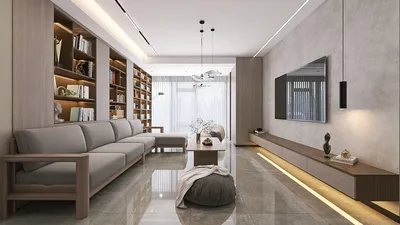


One of my clients famously requested her living room be painted in the precise hue of a neon poster from the 1990s — that’s right, neon. This experience quickly taught me that color choices require careful planning rather than just enthusiasm. To prevent such design catastrophes, I often advise clients to first visualize their layout before selecting a color. Understanding how light and furniture will interact with the chosen shade is crucial, particularly in smaller living rooms where the principle of ‘small space, big creativity’ truly shines.
1. Soothing Neutrals: Valspar Eggshell Whites
I prefer using Valspar’s warm eggshell whites as they create a soothing, adaptable backdrop. This color enhances a room's openness and complements wooden tones and textured fabrics beautifully. The advantage lies in its timeless appeal, especially for resale value. However, if you forego texture or accent colors, it may come across as uninspiring.
save pin
2. Brighten with Soft Yellows: Cheerful Yet Subtle
Valspar's soft buttery yellows impart a sunny ambiance to your living space without being overpowering. They are perfect for north-facing rooms that could benefit from some warmth; just ensure you test the color against your lighting, as fluorescent bulbs can alter the hue unexpectedly. A cost-effective strategy is to paint one wall first to see how it looks before committing to the entire room.
save pin
3. Bold Accent Wall: Deep Terracotta
To create a modern yet cozy atmosphere, I often suggest a terracotta accent wall. This color effectively anchors seating areas and pairs well with brass or matte black hardware. It provides a dramatic flair without falling into contemporary fads. Before making a decision, I highly recommend utilizing tools like Homestyler to visualize how your furniture and lighting interact with this hue. Be mindful, though, that terracotta may clash with cool-toned woods, so sampling is essential.
save pin
4. Cool Coastal Blues: Calm and Modern
My go-to choice for a serene, modern aesthetic are Valspar's muted coastal blues. These colors are accommodating with various textiles and highlight pale woods and linens. However, a downside is that they can make smaller rooms feel cooler, so it’s important to balance them with warm accents such as rugs or throws.
save pin
5. Deep Moody Greens: Intimate and Luxurious
When a client desires a touch of drama, I often choose a rich Valspar green for built-ins or an entire space; it imparts a luxe feel that is surprisingly modern. This hue conceals scuff marks effectively and makes artwork stand out. However, it may also make spaces feel smaller, which is ideal for intimate, library-like living rooms. If you're uncertain, consider using Homestyler for quick AI design recommendations to test out various color combinations.
save pin
Tips 1:
Here's a practical tip: always apply 2x2-foot color swatches on different walls and assess them under morning and evening light. Combine bold Valspar colors with neutral trims, such as a crisp off-white or warm gray, to avoid overwhelming the space. For renters, consider using peelable primer and sample pots for a low-risk refresh.
save pin
FAQ
Q1: Which Valspar color works best for a compact living room?
A: I typically advise using warm neutrals or gentle yellows to create a more spacious feel in small living rooms. Always test your samples under actual lighting conditions for optimal results.
Q2: How do I decide between matte and eggshell finishes?
A: Eggshell finishes are forgiving and simple to clean, making them ideal for living rooms. Matte paints can conceal blemishes but are more challenging to clean, so choose based on wall conditions and foot traffic.
Q3: Will dark colors shrink my living room visually?
A: Yes, darker shades can visually diminish the size of a space but also introduce warmth and depth. It's best to apply them on an accent wall or in spaces where a cozy feel is more desirable than a vast one.
Q4: How many paint samples should I try?
A: I suggest testing 4–6 samples on various walls while viewing them at different times of the day. Clients have often changed their preferred colors after seeing them in evening light — sampling is crucial to avoid mistakes.
Q5: Are Valspar paints durable enough for high-traffic living areas?
A: Absolutely! Valspar’s mid- to high-tier finishes provide excellent durability and washability, especially the eggshell or satin varieties, which resist wear better than flat paints.
Q6: Can terracotta or deep green be combined with modern furniture?
A: Certainly! Both terracotta and deep green coordinate beautifully with mid-century modern or contemporary styles. Just balance them with metallic accents and light fabrics to avoid an overly heavy appearance.
Q7: Where can I access reliable color advice?
A: Valspar offers excellent resources and color guides — visit their website for swatch tools and official descriptions (https://www.valspar.com).
Q8: How do I ensure my chosen Valspar color complements my décor?
A: Take photographs of your essential furniture when selecting swatches or utilize digital mockups of your space. If feasible, test a large swatch near your furniture for the best color harmony.
save pin
What began as an Autodesk innovation has evolved into a design platform used by more than 18 million people around the globe. Homestyler combines powerful rendering, an intuitive editor, and a vast furniture library to help you turn inspiration into photorealistic designs — whether you're redesigning a single room or planning an entire home.
Homestyler is your go-to online home design platform! With its user-friendly design tool, stunning 3D renderings, and a wealth of inspiring design projects and video tutorials, you can effortlessly transform your space and unleash your creativity. Perfect for both beginners and seasoned designers!
Design jetzt kostenlos
































