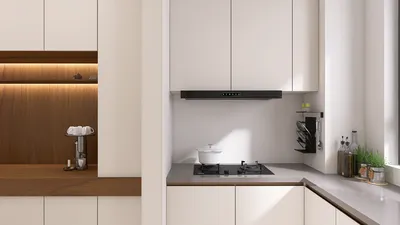


I once had a client who wanted a hidden drawer beneath the sink specifically for her cat's treats — it was indeed an unusual request. This experience taught me to approach the under-sink area as a unique puzzle to solve each time. I take careful measurements, make sketches, and sometimes get creative with materials I find at the hardware store. My process always begins with visualizing the final outcome: a tidy and accessible corner that streamlines daily tasks. For quick inspiration, I often utilize a visual layout preview feature that Homestyler offers, allowing me to see how changes will look in 3D before making any purchases.
1. Pull-Out Trays and Sliding Baskets
I really appreciate pull-out trays as they allow for easy access to everything — no more awkwardly bending down to search for that elusive bottle. The advantage is that they enhance accessibility and organization; however, they do require adequate depth and a modest budget if you want smooth soft-close slides for a more upscale look. If money is tight, DIY sliding baskets on budget-friendly runners can be surprisingly effective.
save pin
2. Tiered Turntables and Lazy Susans
Lazy Susans are often underestimated in under-sink spaces; they effectively organize cleaning supplies and allow you to spin to grab items as needed. They work especially well in narrow, deep cabinets but can encounter challenges with irregular plumbing. I once installed a two-tier turntable behind a P-trap — it needed a bit of trimming but quickly became a favorite among clients for its convenience.
save pin
3. Vertical Dividers for Cutting Boards and Trays
Vertical dividers transform unused vertical space into organized storage for baking sheets, cutting boards, and even trash bags. They're cost-effective, efficient, and contribute to a tidy cabinet appearance. The main consideration is measuring around plumbing pipes and hoses; I typically leave a clearance of 1–2 inches for easy insertion and removal.
save pin
4. Door-Mounted Racks and Magnetic Strips
Installing narrow racks on the inside of cabinet doors is one of my favorite techniques for storing small items like sponges, brushes, and spray bottles. This method frees up floor space and utilizes otherwise wasted areas. One drawback is that the cabinet door must have sturdy hinges or reinforcements if you intend to store heavier items on these racks.
save pin
5. Dedicated Caddies and Portable Organizers
I strongly recommend using a portable caddy for everyday cleaning products, allowing you to gather everything quickly for a fast clean-up. This is especially useful for renters or anyone who likes to clean different areas using the same supplies. The only downside is you’ll need to find a spot for the caddy when not in use — I usually slide it to the side in the cabinet or place it on a shallow shelf.
save pin
Quick Budget & Build Tips
Always measure twice and consider creating mock-ups — even a simple paper template can be quite helpful. If you're looking to experiment with the overall layout before committing to purchases, consider using detailed floor layouts to confirm clearances and door swings. When it comes to cabinet hardware, prioritize full-extension slides and robust door hinges for durability.
save pin
FAQ
Q1: How can I measure under a sink optimally for organizers?
A1: Measure the width, depth, and height, while also noting the locations of plumbing fixtures and potential obstructions. It helps to sketch the cabinet and identify clearances around pipes to avoid purchasing items that won’t fit.
Q2: Is it difficult to install pull-out drawers?
A2: Basic pull-out installations can generally be a DIY weekend project with just a drill and a level; however, for high-quality soft-close models, hiring a carpenter is advisable. Most cabinet hardware kits include clear instructions and templates to guide you.
Q3: How do I prevent mold from forming under the sink?
A3: It's crucial to maintain dryness, address leaks promptly, and utilize moisture-absorbing packets or a small silica gel kit. According to the U.S. Environmental Protection Agency, managing moisture is the key step to preventing indoor mold growth (Source: EPA, https://www.epa.gov).
Q4: Is it safe to store cleaning chemicals under the sink?
A4: Yes, as long as you position chemicals upright, keep them separated, and out of reach of children and pets. Utilize bins or caddies, and be sure to clearly label any smaller containers to ensure safety.
Q5: What’s a good under-sink upgrade for renters?
A5: Opt for freestanding organizers, adhesive or tension-mounted door racks, and portable caddies that can be taken along when you move. Avoiding drilling ensures that you won't run into issues with your landlord.
Q6: How do I organize around odd-shaped plumbing?
A6: Consider building custom-cut shelves that fit around the plumbing, or use modular organizers that can be trimmed as needed. I often use thin plywood templates to plan around pipes before cutting actual materials.
Q7: Is it possible to mix multiple organizing ideas like pull-outs and door racks?
A7: Certainly — combining a shallow pull-out tray with door-mounted racks can maximize both depth and door space. Just ensure that the pull-out doesn’t interfere with items stored on the door racks when opened.
Q8: How can I visualize a new kitchen cabinet layout before purchasing?
A8: Use 3D modeling to visualize your cabinet and see how organizers will fit and operate; I frequently rely on tools like Homestyler to assess spacing and hinge clearance.
save pin
Homestyler is your go-to online home design platform! With its user-friendly design tool, stunning 3D renderings, and a wealth of inspiring design projects and DIY video tutorials, you can effortlessly transform your home into a stunning masterpiece. Start your design journey today!
Progetta ora GRATIS
































