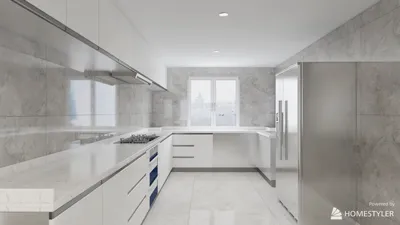


During a past kitchen renovation project in a compact urban apartment, I overlooked the importance of under cabinet lighting. This oversight led to a stunning marble countertop that remained perpetually shadowed. That experience taught me a vital lesson: in small kitchens, effective lighting is not just an enhancement but a crucial element that elevates both functionality and atmosphere. In this article, I'll share my top 10 under cabinet lighting solutions inspired by real projects, demonstrating how these creative ideas can significantly enhance small spaces. Relying solely on ceiling lights won’t deliver the same visual impact. If you're considering a comprehensive kitchen overhaul, tools like Homestyler can aid in visualizing your plans before any installation begins.
1. LED Strip Lights for a Sleek Look
I frequently opt for LED strips due to their slim profile, straightforward installation, and energy efficiency. These lights can be discreetly placed behind cabinet edges, providing uniform and shadow-free illumination. However, it's essential to avoid low-quality strips with poor Color Rendering Index (CRI), as they can distort colors – investing in high-quality options ensures that your food appears appetizing.
2. Puck Lights for Spot Lighting
Puck lights offer focused, concentrated points of light, perfect for accentuating areas like cutting boards or coffee stations. I've installed dimmable puck lights in rental kitchens for clients, instantly adding warmth to the space. Keep in mind that while effective, they may leave more shadow gaps compared to LED strips.
3. Motion Sensor Lights for Added Convenience
Motion sensor lighting can be a game changer when juggling grocery bags. For a client who enjoys baking at night, I installed these lights to eliminate the hassle of searching for switches with flour-covered hands. Just be careful to position them correctly to prevent accidental activation by your pets!
4. Color-Changing LEDs for Dynamic Ambiance
RGB light strips are fantastic for those who love to set different moods—warm white for cooking, soft blues for late-night snacks. However, it’s wise to remain subtle; overly bright neon shades may not present food in the best light.
5. Integrated Linear Fixtures
For a sophisticated and built-in appearance, linear fixtures that align with cabinet lengths create a flawless aesthetic. I’ve incorporated these in upscale renovations where clients desired low-key lighting that blends seamlessly with surroundings. Tools like Homestyler can assist in planning perfect alignments.
6. Battery-Powered LED Bars
If you’re renting or wish to sidestep electrical installations, battery-powered lights offer incredible versatility. I’ve used strong adhesive tape to secure them for a client who frequently relocated—make sure to choose rechargeable options to avoid repetitive ladder climbs!
7. Under Cabinet Light with Built-In Switch
An integrated toggle or touch switch is both practical and helps maintain a tidy countertop. I utilized this feature in a minimalist all-white kitchen, which preserved its clean aesthetic without wall switches disrupting the backsplash.
8. Warm White vs. Cool White Balance
This point refers to a design choice rather than a specific product—warm white (2700-3000K) brings a cozy atmosphere, while cool white (4000K+) is ideal for detailed tasks. Creating zones that blend both can be an intelligent compromise, although not all clients may favor the color transition.
9. Diffused Acrylic Covers
Using diffused acrylic to cover LEDs mitigates harsh glares and visible dots. This is particularly useful in glossy kitchens where reflections can be distracting. In one instance, I paired these with matte cabinets, and the resulting softness was stunning. Before investing, you can explore different combinations using kitchen layout simulation tools like Homestyler.
10. Layering with Toe-Kick Lighting
Under cabinet lighting should not be confined to eye level—adding strips under lower cabinets or toe-kicks can facilitate navigation at night while providing a boutique feel. Plus, it simplifies the task of cleaning underneath cabinets!
FAQ
1. What type of under cabinet lighting is most energy-efficient?
LEDs are typically the most energy-efficient option, known for their longevity and low heat output compared to halogen or fluorescent lights.
2. Can I install under cabinet lighting myself?
Yes, especially for battery-operated or plug-in models. Hardwired installations might require assistance from a licensed electrician to ensure compliance with safety regulations.
3. How bright should under cabinet lights be?
A recommended brightness range is between 200 to 500 lumens per fixture for effective task lighting, adjusting as needed based on your countertop color and overall kitchen illumination.
4. Are motion sensor lights worth it?
Yes, they are practical and energy-efficient—especially useful in busy kitchens. Just be cautious about placement to avoid unnecessary false activations.
5. Should I use warm or cool white?
Warm white provides a cozy ambiance for dining areas, while cool white offers clarity for food prep and cutting. Some systems allow toggling between both options.
6. How do I conceal the light cords?
Utilize cable raceways, mounting clips, or plan for recesses in cabinets during installation to maintain a clean and organized look.
7. Can under cabinet lights increase home value?
Absolutely—they enhance both the functionality and aesthetics of your kitchen, which many prospective buyers look for, according to the National Association of Realtors.
8. Are dimmable under cabinet lights a good idea?
Definitely—dimmers provide flexibility in brightness for different tasks and times of day, enhancing comfort and ambiance in the kitchen.
Discover Homestyler, the ultimate online home design platform! With its user-friendly design tool, stunning 3D renderings, and a wealth of inspiring design projects and video tutorials, you can effortlessly create your dream space—no experience necessary!
Progetta ora GRATIS
































