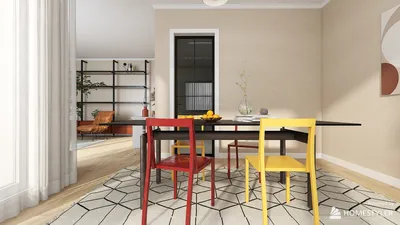


I once misinstalled a chandelier upside down due to reliance on the wrong sketch. The client couldn’t help but laugh, and I learned the importance of always creating mock-ups at eye level. This small mishap eventually led to one of my favorite chandelier replacements during a dining room renovation.
Compact spaces can ignite grand ideas. Throughout my career, I’ve transformed awkward corners into captivating dining areas. Here, I’ll share five trendy chandelier ideas for dining rooms that I commonly use in projects, complete with quick pros, practical challenges, and budget-friendly suggestions.
Sculptural Centerpiece
Consider a chandelier as a piece of art suspended above the table: branch-like brass arms, blown glass accents, or an abstract metal design can serve as a captivating focal point in any room. The impact is significant — it becomes the centerpiece and looks stunning in photographs — but care must be taken to ensure it doesn’t overwhelm a small space if not scaled appropriately.
Tip: select a lighter finish or an open-frame design for dining rooms that are compact to maintain an airy feel; I’ve successfully minimized visual weight by swapping solid shades for clear glass, preventing the space from feeling constricted.
save pin
Minimal Linear Lighting
For elongated tables or banquette setups, a sleek linear chandelier ensures unobstructed sightlines while evenly distributing light. It embodies a clean, modern aesthetic that fits seamlessly within minimalist interiors, albeit lacking the dramatic flair of a central, sculptural fixture.
Budget note: linear fixtures are available in modular styles, allowing you to begin with a cost-effective model and later upgrade the shades or diffusers for a fresh look without the need to rewire.
save pin
Clustered Pendants
Arranging two to five small pendants at varying heights presents a relaxed, layered design that complements both modern and eclectic dining areas. This approach offers flexibility — you can mix and match glass shapes or colors — though coordinating heights and cords requires some patience during installation.
If your design includes an open-plan layout, clustered pendants effectively delineate the dining area without needing walls. When I utilized clustered clear globes above a reclaimed table, the ambiance felt inviting and purposeful. For effective spatial planning insights, consider exploring this related open-plan layout concept.
save pin
Integrated LED Rings and Panels
Integrated LEDs provide ultra-slim profiles and exceptional energy efficiency, making them ideal for those who prefer a minimal glow combined with modern technology. They are perfect for creating dimmable lighting scenes and enjoying long-term cost savings; however, built-in LEDs mean that you’ll need to replace the entire fixture instead of just swapping out bulbs later on.
Pro tip: opt for fixtures with a replaceable driver and a warm color temperature (2700K–3000K) to keep the dining ambiance cozy rather than clinical.
save pin
Vintage-Modern Mix
Blending an antique chandelier silhouette with modern materials (such as brushed brass or matte black) infuses personality into a space without becoming tacky. This combination is particularly appealing for clients desiring warmth combined with contemporary style. The key challenge lies in finding a piece that is structurally sound and compliant with electrical codes.
If you’re curious about how AI can assist in visualizing combinations before making a purchase, I’ve been experimenting with several AI-driven concepts that enhance decision-making and minimize costly errors.
save pin
FAQ
Q1: How do I select the appropriate chandelier size for my dining table?
A straightforward guideline I follow is: fixture diameter in inches = table width in inches minus 12–18 inches. For instance, a 36-inch wide table pairs effectively with an 18–24 inch fixture to ensure balance.
Q2: What height should the chandelier be above the table?
I generally hang chandeliers 30–36 inches over a tabletop for standard ceilings (8–9 ft). For higher ceilings, add an additional 3 inches for every extra foot of height.
Q3: What bulb color temperature is optimal for dining rooms?
Warm white (2700K–3000K) creates the most welcoming atmosphere for dining, as it enhances skin tones and food presentation. I recommend steering clear of cool whites above 3500K unless a contemporary, gallery-like vibe is what you’re aiming for.
Q4: Are integrated LED chandeliers worthwhile?
Absolutely, in terms of energy efficiency and durability; they require less maintenance while providing smooth dimming options. The downside is the inability to replace bulbs easily, thus it's wise to select high-quality fixtures with replaceable drivers for future-proofing.
Q5: What budget should I set aside for a contemporary dining chandelier?
Attractive options typically range from $200–$800 for mid-range fixtures, while designer or custom pieces often start at around $1,000. I recommend designating 5–10% of your overall dining room budget for lighting to achieve a remarkable focal point.
Q6: Do chandeliers require special wiring?
Most homes have ceiling wiring suitable for chandeliers, but heavier or multi-point fixtures may necessitate reinforced mounting or an upgraded junction box. Always consult a licensed electrician to evaluate load capacities and mounting needs.
Q7: How do I care for glass or brass chandeliers?
Regular dusting with a soft cloth is essential, and always turn off power before deep cleaning. For brass fixtures, use metal polish sparingly; warm soapy water is effective for cleaning glass parts that can be removed.
Q8: How much illumination do I require in a dining area?
The recommended illuminance for dining zones is generally between 200–300 lux for a comfortable dining experience (guidelines courtesy of the Illuminating Engineering Society: https://www.ies.org). Incorporating ambient lighting together with the chandelier and utilizing dimming controls can help set different moods.
save pin
Homestyler is an outstanding online home design platform that empowers you to create stunning interiors effortlessly. With its user-friendly design tool, impressive 3D rendering, and a wealth of design projects and video tutorials, you can transform your home into your dream space in no time!
Design Now for FREE
































