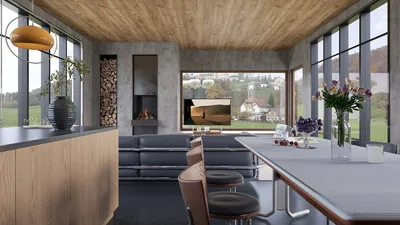


I once persuaded a client that a textured wall would conceal the artistic crayon designs of their toddler, only to discover later that the texture made cleaning a true challenge. From that experience, I realized the importance of prototyping small sections and utilizing 3D visualization tools, such as Homestyler, before making any final decisions. In limited spaces, clever design choices are essential; the right texture can serve as a valuable asset if applied thoughtfully.
1. Elegant Venetian plaster accent
I'm particularly fond of Venetian plaster as a feature wall in living rooms due to its ability to subtly reflect light and provide an impression of depth instead of clutter. This technique offers a luxurious aesthetic and impressive durability; however, it can be pricey and requires skilled application, so I typically allocate additional budget for a qualified applicator.
save pin
2. Warm sand texture for inviting bedrooms
When a client seeks warmth without unnecessary complexity, I turn to sanded paints. They effectively hide minor wall imperfections, are cost-effective, and have a pleasant tactile quality under soft lighting. However, it's important to note that these can accumulate dust; therefore, I remind clients to vacuum the edges and consider testing a sealed finish.
save pin
3. Subtle metallic microtexture for small kitchens
In compact kitchen spaces, a light metallic microtexture can infuse energy and reflect light, creating an illusion of more space. I suggest utilizing it judiciously, perhaps on a single strip or a backsplash-height section, to avoid overwhelming the area. If you're planning a layout change, using a mockup tool like Homestyler can help you explore how the textured reflections interact with cabinetry and appliances.
save pin
4. Geometric trowel patterns in entryways
Implementing a controlled trowel pattern in an entryway makes a striking first impression while also concealing scuff marks from boots and bags. This method requires more hands-on effort and time, but the creative rewards are significant. My recommendation is to select a pattern size that complements the corridor's width—too large can feel overwhelming, while too small can strip away the handcrafted appeal.
save pin
5. Washable textured paints for busy bathrooms
In bathrooms and mudrooms, washable textured paints that resist moisture and are easy to clean are invaluable. These options are practical yet can be stylish; the downside is typically a slightly matte appearance. Pair these with good ventilation and soft lighting to prevent a flat aesthetic, and think about integrating AI-assisted color suggestions for an accurate undertone.
save pin
FAQ
Q1: Which textured paint is best for small rooms?
I frequently recommend subtle sand or microtexture finishes as they provide depth without compromising visual space. Light-reflective textures promote an airy feel in small areas.
Q2: Are textured paints difficult to clean?
Certain textures can trap more dust than flat paints. Opt for washable or sealed textures in high-traffic spaces and always test a small patch before full coverage.
Q3: How much more does textured paint cost?
Pricing differences can be significant: simple sand finishes are comparable to regular paint, while Venetian plaster or decorative trowel work may cost several times more due to labor expenses. I always include a contingency in my budget for preparation work.
Q4: Is it possible to apply texture over existing paint?
Typically yes, but achieving proper adhesion requires sanding and priming. If the previous paint is flaking or glossy, it needs to be stripped or sanded down to ensure a solid surface before adding texture.
Q5: Will textured walls make a room feel smaller?
They can, especially if overly bold; however, the key lies in scale and sheen. Utilizing subtle textures and lighter shades can enhance depth without constricting space.
Q6: Are textured paints safe to use indoors?
Most modern textured paint options are low in VOCs, but it’s always best to check the labels. For information regarding VOCs and indoor air quality, consult EPA resources available online.
Q7: How do I test a texture before committing to the entire room?
Create a sample board or apply a 1m² patch on the actual wall under your intended lighting conditions. Live with it for a few days to assess how dust, lighting, and cleaning impact your choice.
Q8: Can textured paint effectively conceal wall imperfections?
Definitely—textures are excellent for disguising minor flaws, but deeper dents or cracks should be filled and primed beforehand to avoid any issues with the finish showing through.
save pin
Homestyler is your go-to online home design platform, perfect for bringing your ideas to life. With a user-friendly design tool, stunning 3D renderings, and a wealth of DIY video tutorials, you can effortlessly create and visualize your dream space—no prior experience needed!
Design jetzt kostenlos
































