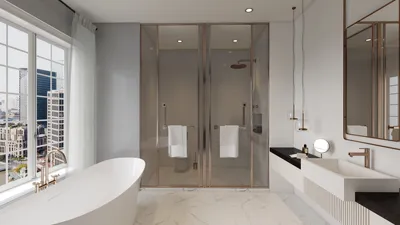


Once, I persuaded a client to experiment with a bold sand-and-ash finish in a compact bathroom. The plan seemed to unravel when the contractor misinterpreted the finishing instructions, resulting in a striking, unexpected ombré effect that proved to be more instructive than any textbook. I always utilize room layout visualization tools, like Homestyler, prior to ordering materials to account for how textured finishes alter light and the perception of space in smaller areas.
1. Micro-Sand Finish for Inviting Nooks
I have a fondness for micro-sand textures in cozy corners; they add just the right amount of depth without being overwhelming. This option is not only budget-friendly but also user-friendly with roller application, though do take care with preparation as it may expose any flaws if not properly primed.
2. Venetian Plaster as a Statement Wall
Venetian plaster offers a luxurious, tactile finish that interacts beautifully with natural light. I've implemented it on accent walls to give small living rooms a curated feel. The benefits include its upscale appearance, but remember that it requires high investment and skilled application. To manage costs, consider limiting its application to just one wall.
save pin
3. Vertical Brush-Hatch Technique for Height Illusion
When I encounter a room that feels cramped, I employ a vertical brush-hatch texture to draw the gaze upward. It’s a simple DIY solution that works well with a quality matte base and a lighter glaze. This technique can create the illusion of taller walls, although it may take some practice to achieve uniformity, so I advise testing on a board first and having a small touch-up kit on hand.
save pin
4. Metallic-Tinted Stucco for Added Depth
Metallic-tinted stucco can significantly enhance the perception of space in a small dining area by reflecting light around the room. This option appears luxurious and dramatic; however, excessive sheen may detract from its appeal. Therefore, I recommend applying it sparingly and pairing it with matte finishes for a balanced look.
save pin
5. Layered Chalk Paint for a Rustic Touch
If you're a renter or simply enjoy a well-worn aesthetic, using layered chalk paint with light sanding can create immediate character and charm. This method is economical and easy to refresh, yet it may not hold up well in high-traffic areas. To protect it, consider sealing with a wax finish. For organizational purposes and to visualize these finishes, use a quick 3D floor sketch with Homestyler before initiating any paint job.
save pin
Tips:
Budgeting Tip: Always purchase an extra 10–15% of materials for textured finishes, as waste and the need for touch-ups can accumulate quickly. Practical Tip: Evaluate the lighting at different times of the day, since the texture can appear vastly different in morning versus evening light.
save pin
FAQ
Q1: What is the most beginner-friendly textured paint?
A1: Micro-sand or sand-additive paints are fantastic options for DIY enthusiasts — they apply easily with a roller and tend to disguise minor imperfections. Practice on a panel before tackling an entire wall.
Q2: Can textured paint make a small room feel constricted?
A2: Not necessarily — a subtle texture can actually enhance depth and visual interest without making a room feel smaller. The pivotal factors are the color selection and the sheen of the finish; lighter shades and low-sheen products typically create a more spacious feel.
Q3: What are the preparation steps for applying textured paint?
A3: Ensure the walls are expertly cleaned, patched, and primed, as textures can accentuate flaws if preparation is neglected. As noted in Sherwin-Williams resources, proper surface treatment and priming are crucial for longevity and adhesion.
Q4: Is textured paint suitable for bathrooms?
A4: Absolutely, but opt for moisture-resistant products and ensure proper ventilation is in place; certain textures can trap moisture if not adequately sealed. Use semi-gloss or a clear sealer in splash-prone areas.
Q5: Is the cost of textured paint on the higher side?
A5: It ranges widely — basic textured paints with sand additives are quite affordable, while Venetian plaster and specialized metallic stuccos tend to be pricier and may require professional assistance. To manage expenses, consider applying costly finishes to an accent wall.
Q6: What is the best way to clean textured walls?
A6: Regularly dust or vacuum using a brush attachment; for any stains, utilize a gentle cleanser and a soft cloth. Avoid abrasive scrubbing, as it can damage the texture.
Q7: Can textured paint be removed?
A7: Yes, although the removal might be labor-intensive; sanding or applying a skim coat may be necessary to achieve a smooth surface. Allow time for removal and potential re-plastering if expecting frequent style changes.
Q8: How can I visualize textured finishes in my home prior to purchasing?
A8: Use small sample boards and test them in the room at varying times of the day, or leverage digital tools and mockups; both methods assist in understanding scale and lighting impacts. For enhanced workflow, utilize AI-based layouts like Homestyler to quickly experiment with combinations and maintain sample notes.
save pin
Built on technology originally developed at Autodesk, Homestyler empowers anyone to design beautiful, realistic spaces in minutes. Join over 18 million users who have already discovered a smarter way to plan, visualize, and bring their dream homes to life — all from the comfort of a browser.
Discover Homestyler, the ultimate online home design platform! With its user-friendly design tool, stunning 3D renderings, and a wealth of DIY video tutorials, you can effortlessly create and visualize your dream space. Transform your home design journey today!
Design Now for FREE
































