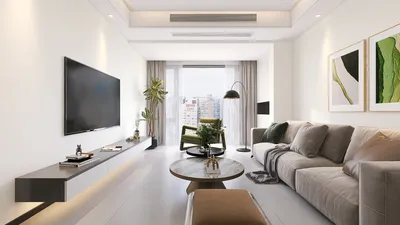


In the past few years, a noticeable trend has emerged among homeowners who are increasingly drawn to tan and grey living room designs. This combination offers an excellent blend of warmth and elegance. With over ten years of experience in transforming various living spaces, I've found that smaller environments often ignite greater creativity. In this article, I will guide you through ten of my top tan and grey living room inspirations, combining my personal experiences with expert insights, which can help you design a space that is both chic and comfortable, all while being uniquely yours.
1. Minimalist Tan Sofa Highlighted by Grey Accents
My Insight: In my first apartment in the city, I opted for a stylish tan sofa adorned with charcoal throw pillows. The look was minimal yet impactful, offering a curated feel without being overly done.
Advantages: A minimalist style enhances airiness and is easy to maintain. Notably, Architectural Digest emphasizes that neutral-toned furnishings adapt seamlessly to seasonal decor updates.
Disadvantages: An overly minimalist style can appear stark; it’s important to layer textures to avoid a ‘bare’ ambiance.
Suggestion: Incorporating a woven rug or light linen curtains can soften the space and enhance warmth.
2. Grey Accent Wall Complemented by Warm Tan Decor
My Insight: In a past project, I revitalized a dull rental living room by painting one wall a warm grey and pairing it with tan leather armchairs, completely transforming the atmosphere without any structural changes.
Advantages: This approach creates a striking focal point that adds depth; a darker wall color allows light furniture to stand out beautifully.
Disadvantages: If not balanced with adequate lighting, grey walls can make a room appear smaller.
Case Study: In a recent project, warm grey paint behind a bookshelf displayed a visually engaging backdrop while maintaining a cozy feel, ideal for narrower spaces.
3. Textural Layers in Neutral Tones
My Insight: I enjoy blending textures—like boucle cushions, linen drapes, and sisal rugs—when using muted tones such as tan and grey. This technique enriches visual depth without relying on bright colors.
Advantages: Layering provides dimension and comfort; it prevents a neutral palette from feeling flat.
Disadvantages: An assortment of different fabrics may lead to a chaotic appearance.
Suggestion: Aim to use 3 to 4 complementary textures to retain harmony and cohesion.
4. Tan Leather Accentuated by Grey Fabrics
My Insight: A client once owned an exquisite tan leather sectional, which we complemented with soft grey wool cushions and a heather rug—this combination exuded refinement and approachability.
Advantages: Leather remarkably ages beautifully while providing a luxurious feel; grey textiles offer a balance of warmth and coolness.
Disadvantages: Leather needs careful maintenance to prevent cracking, while fabrics can fade under intense sunlight.
Suggestion: Employ UV-filtering curtains to extend the longevity of your upholstery fabrics.
5. Grey Flooring Adorned with Tan Area Rugs
My Insight: In open-plan areas, I have utilized durable grey ceramic tiles, then layered a large tan jute rug beneath the seating arrangement to create a defined ‘zone’ without erecting walls.
Advantages: Neutral flooring establishes a versatile canvas; rugs efficiently delineate areas without needing significant renovations.
Disadvantages: Light grey floors can easily show dirt, while jute rugs may feel coarse underfoot.
Case Study: In one project, I combined grey oak flooring with a textured tan rug to ensure a seamless flow throughout a loft apartment.
6. Mixing Tan and Grey Accent Chairs
My Insight: For an eclectic touch, I matched modern grey chairs with traditional tan wingback chairs in a reading nook—this variety delighted my clients.
Advantages: Mixed seating styles enhance visual intrigue; tan tones help soften the coolness of grey.
Disadvantages: It necessitates a unifying feature, such as matching cushions, to maintain cohesion.
Suggestion: Ensure proportional balance among furniture pieces to avoid an off-center aesthetic.
7. Grey Curtains with Tan Upholstery
My Insight: Using floor-to-ceiling grey curtains can give the illusion of higher ceilings, while tan sofas create a warm atmosphere—a strategy I've frequently used in smaller apartments.
Advantages: The vertical lines of curtains draw attention upwards; the color pairing remains timeless.
Disadvantages: Dust can become more noticeable on darker fabrics used for curtains.
Maintenance Tip: Regular vacuuming of curtains can keep them clean and fresh.
8. Warm Tan Walls Matched with Grey Natural Stone Elements
My Insight: One client’s rustic dwelling benefited significantly from soft tan walls alongside a grey slate fireplace surround—which made the space feel grounded yet inviting.
Advantages: Earthy tones foster a soothing ambiance; stone textures add an organic element.
Disadvantages: Authentic stone can be expensive and quite heavy.
Suggestion: Consider faux stone panels that replicate the aesthetic at a lower cost.
9. Tan and Grey Art as Statement Pieces
My Insight: Instead of repainting, I often place large abstract artworks that incorporate greys and tans; this solution combines art with a splash of color.
Advantages: Art pieces are easy to change out and can instantly alter the room's vibe.
Disadvantages: Large artworks may overwhelm smaller walls if not chosen wisely.
Case Study: Hanging tan-grey geometric art above a mid-century sofa established a sophisticated focal point in the living room.
10. Innovating with Layered Lighting in Tan and Grey Styles
My Insight: Complement warm-hued lamps on tan surfaces with sleek grey floor lamps to enhance your color scheme and create versatile atmospheres.
Advantages: Layered lighting improves functionality and ambiance; dimmers offer enhanced control.
Disadvantages: More fixtures result in more upkeep and dust accumulation.
Suggestion: Invest in LED bulbs with adjustable warmth, suited for various activities.
Summary
Ultimately, using tan and grey in living room designs is not about limiting options; it’s about making thoughtful, deliberate choices. As various design magazines like Elle Decor highlight, these neutral shades can adapt across styles, facilitating a timeless environment. Which of these inspirations do you feel most inclined to incorporate in your living room?
FAQ
1. Are tan and grey ideal for a compact living room?
Absolutely; these colors create a spacious and bright effect by reflecting light efficiently.
2. What accent tones complement a tan and grey living room?
Soft blues, muted greens, or a vibrant hint of mustard can pair beautifully with tan and grey without overpowering the overall aesthetic.
3. Is grey becoming outdated?
Not at all. The Houzz Interior Trends Report 2024 indicates that grey remains popular for its versatility and soothing qualities.
4. How can I make a tan and grey living room cozier?
Incorporate warm lighting, add wooden elements, and integrate textured fabrics such as wool or velvet.
5. Do tan and grey match modern furnishings?
Definitely. Clean-lined modern furniture exudes elegance, especially when layered in neutral tones.
6. Which color should walls be painted—tan or grey?
It depends on the desired ambiance—grey lends a sleek, cool vibe, while tan offers warmth and softness.
7. Is mixing patterns acceptable in a tan and grey scheme?
Yes, but balance is crucial. Limit patterns to 2-3 and maintain a consistent tone.
8. What flooring complements a tan and grey environment best?
Natural wood, light grey tiles, or neutral carpets all blend beautifully. To explore ideas, browse realistic floor layout examples to discover what fits your style, possibly with tools like Homestyler for visualizing designs.
Looking to transform your home? Homestyler is your go-to online design platform! With its user-friendly design tool, stunning 3D renderings, and a wealth of DIY video tutorials, you can effortlessly create and visualize your dream space. Start designing today!
Design Now for FREE
































