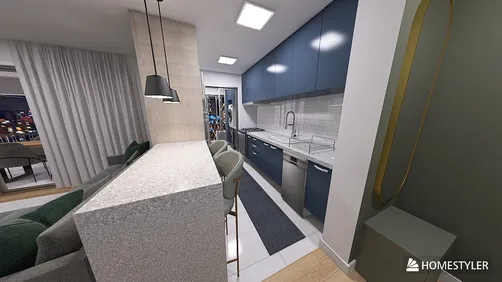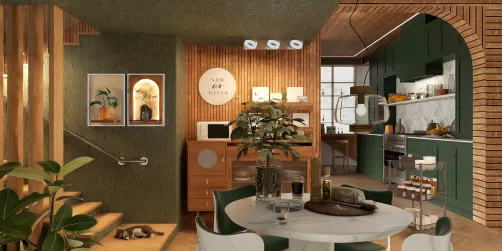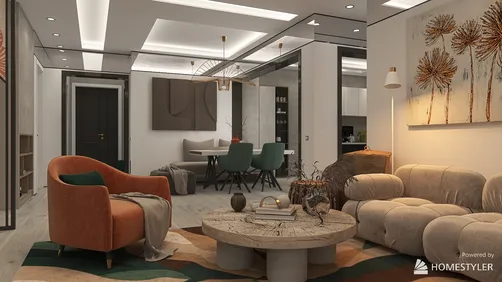



I once nearly lost a client due to my suggestion of using a drying rail that obstructed their living room light—a rookie mistake that emphasized the importance of considering 3D perspectives and sightlines. To rectify this, I began sketching designs and even utilized a basic model to visualize a more effective drying layout, ultimately preserving both the view and the towels.
1. Ceiling Pulley System That Retracts
I’m a big fan of pulley racks for compact bathrooms or kitchens, as they utilize vertical space without occupying the floor area. They’re fantastic for drying sweaters and delicate items—I once installed one in a 28 square meter apartment, which felt like adding an unseen closet. However, potential drawbacks include occasional pulley maintenance and the need for initial drilling.
save pin
2. Wall-Mounted Fold-Down Drying Rack
A fold-down drying rack is a straightforward yet delightful solution I recommend to most of my clients; it neatly stows away when not in use and can surprisingly hold substantial weight when extended. Advantages include low cost, no power requirements, and easy DIY installation. On the downside, it requires solid wall reinforcement and careful positioning to prevent accidents with chairs or children.
save pin
3. Over-Door Compact Hanger Cluster
For those renting who are opposed to drilling, I highly endorse over-door drying setups—they transform unused door space into organized drying stations. These setups are lightweight and portable which makes them ideal for seasonal relocations; however, they may wobble under heavy loads and could potentially block door closures if overloaded. If you’re planning your layout before acquiring equipment, consider using Homestyler to quickly visualize a compact drying rack layout to assess clearance and flow.
save pin
4. Freestanding Vertical Drying Towers
Imagine this as a miniature clothes tree: vertical drying towers optimize airflow and are surprisingly stable. I used one in a child’s room renovation, which notably reduced drying times for smaller items—they tend to be more expensive than basic racks yet don’t require installation. The trade-off is their footprint; being tall doesn't always make them discreet, so it’s best to position them in corners away from high-traffic areas.
save pin
5. Convertible Indoor-Outdoor Drying Solution
When dealing with a small balcony, I often propose a hybrid solution: a removable outdoor rod combined with an indoor line for inclement weather. This enables the transformation of a balcony into a drying nook using simple hooks and a foldable rail—it’s both adaptable and budget-friendly. However, adequate weatherproofing and privacy measures (like plants or screens) are necessary. For complex layouts, I create a quick plan using Homestyler so clients can visualize the nook before finalizing decisions.
save pin
FAQ
Q1: What hanging method allows for the fastest drying?
A: Utilizing a vertical tower or a properly spaced ceiling pulley will expedite drying, as air circulates effectively around the fabrics; be sure to avoid bunching garments too closely and rotate them as needed.
Q2: Are ceiling pulley systems safe to use?
A: Absolutely, provided they are installed professionally or mounted securely into wall studs. I always advise verifying the weight limits and performing annual maintenance on the pulleys.
Q3: Can renters utilize these drying solutions?
A: There are numerous renter-friendly options available: over-door racks and freestanding towers require no drilling, while removable systems can easily be used on balconies. It’s wise to check your lease prior to making modifications.
Q4: How can I address humidity and the risk of mold?
A: To dry clothes effectively, choose well-ventilated areas and avoid closed-off rooms. Using a dehumidifier or briefly opening windows can help; ensure to space items adequately apart to minimize mold risks.
Q5: Any tips for budget-friendly drying solutions?
A: Start with second-hand drying towers or consider DIYing a fold-down rack using recycled wood. Often, a coat of paint and some new hooks can create a durable, appealing solution without overspending.
Q6: How do I maintain tidiness in the drying area?
A: Employ consistent hangers and label bins for smaller items; I also recommend installing a short hook rail for clothespins—these small actions can help keep your drying routines orderly.
Q7: Do these drying methods take up too much space in winter?
A: Definitely not if you choose collapsible or retractable systems—they can be neatly tucked away. In a project from last year, I replaced a cumbersome rack with a ceiling pulley system, freeing up an entire shelf’s worth of space.
Q8: Is line drying really more energy-efficient than machine drying?
A: Yes, line drying consumes little to no energy. According to the U.S. Department of Energy, dryers rank among the highest energy-consuming appliances in many homes, resulting in significant energy savings and reduced costs by choosing air drying instead.
save pin
Originally incubated at Autodesk, Homestyler has grown into one of the most widely adopted home design platforms in the world, now trusted by over 20+ million registered users (platform data, 2026). Whether you're a homeowner exploring ideas or a professional designer delivering client-ready renders, Homestyler brings industry-leading 3D technology to your fingertips — no experience required.
Discover the ease of home design with Homestyler! This user-friendly platform offers a powerful online design tool, stunning 3D renderings, and a wealth of design projects and DIY video tutorials. Transform your space effortlessly and unleash your creativity today!
Design Now for FREE







![Design [4]](https://hs-designs.homestyler.com/production/design/images/07c2de3a-88ec-4be8-8910-ff255b795bc2/1731419398293/7841697.jpg?x-oss-process=image/resize,w_502,m_mfit/format,webp)