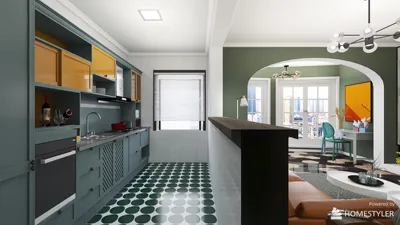


In a previous project, I attempted to fit a six-seater farmhouse table into a 30 sqm apartment, driven by the owner's promise to host weekly dinner gatherings. This experience was an eye-opener about the importance of scale in small spaces. It inspired me to embrace clever, compact solutions — a thoughtfully selected table can turn a tight corner into a welcoming dining area, and often, a simple foldable or extendable option is all that’s needed. If you're looking for efficient table designs that work well in limited spaces, stick around as I share my top five small-space strategies based on real-life endeavors.
1. The Fold-Down Wall Table
In one of my studio designs, I incorporated a fold-down table for a client needing a dual-purpose space — a workspace during the day and a dining area by night. This design saves valuable floor space, provides a tidy appearance against the wall, and can be paired with storage solutions or mirrors for added visual depth. However, it's crucial to consider weight limits and secure installation; ensure you anchor it correctly and select a sturdy hinge.
save pin
2. Nesting Tables for Versatile Dining
Nesting tables are an excellent choice for clients desiring flexibility: they can be combined for family meals, separated for drinks, or even tucked away entirely. They are budget-friendly and easy to style, although keep in mind that a continuous surface can be sacrificed during larger gatherings.
save pin
3. Built-In Bench with Extendable Top
I once designed a banquette bench for an oddly-shaped nook, augmenting it with an extendable top that slides out for guests. This created a cozy seating area while maintaining an open flow. Although built-ins require more initial carpentry effort, they provide a customized fit and hidden storage; if you're uncertain about your layout, sketch a quick floor plan to ensure optimal space utilization before proceeding to physical work.
save pin
4. Multi-Purpose Coffee Table That Lifts
In smaller living spaces, a lift-top coffee table that elevates to dining height is incredibly useful. It's ideal for laptop work or casual meals, serving dual purposes as storage as well. The caveat is that you may need an additional slim side table for larger setups due to limited surface area.
save pin
5. Drop-Leaf or Gateleg Tables for Flexibility
Drop-leaf tables offer fantastic versatility: they are minimal when not fully extended, yet spacious when needed. I've utilized these in tiny kitchens where a traditional table would obstruct movement. They're charming and cost-effective, though quality is important to avoid instability. To visualize your ideas before purchase, consider using Homestyler, an online platform that allows you to create 3D layouts to assess flow and proportions.
save pin
Budget and Practical Tips
For those on a limited budget, consider searching for solid wood secondhand items that can be restored; avoid inexpensive particleboard as it tends to sag over time. Don't overlook clearance: maintain at least 76–90 cm from the table edge to walls or walkways for comfortable seating. Often, minor carpentry adjustments can lead to significant practical improvements.
save pin
Real-World Mini Case
In a 28 sqm flat I remodeled, I replaced a bulky table with a built-in bench plus a compact drop-leaf table, successfully creating a full dining area while keeping the entryway clear. The client could comfortably host four guests without feeling cramped, and we utilized a room planning preview with Homestyler to confirm the arrangement before construction—this planning phase saved us from unnecessary adjustments down the line.
save pin
FAQ
Q1: What table size is ideal for a small apartment?
A good guideline is to maintain a table width of no more than 80–90 cm for two people, allowing a depth of at least 75 cm per seated individual. Prioritize measuring clearances and consider extendable models for added flexibility.
Q2: Are fold-down tables sturdy enough for daily use?
Yes, modern wall tables equipped with heavy-duty hinges can endure daily usage if properly anchored to studs or secured with appropriate fasteners. Steer clear of thin plywood and confirm weight ratings before purchase.
Q3: How much clearance is required around a table?
Aim for 76–90 cm between the table's edge and nearby obstacles for comfortable seating and movement; in tighter spaces, 60–75 cm might suffice, although it may feel cramped.
Q4: Can a coffee table truly replace a dining table?
For one or two people, a lift-top coffee table can work admirably, especially if you're not keen on having a permanent dining setup. For frequent meals with guests, consider foldable or extendable options.
Q5: What materials are most durable for small everyday tables?
Solid wood or plywood with edge banding tend to hold up well; quality veneers over solid substrates are acceptable too. Avoid low-quality particleboard for movable components like extensions or hinges.
Q6: How do I evaluate scale before making a purchase?
Measure your space and create a mock footprint using kraft paper or tape on the floor; alternatively, use an online planner like Homestyler to visualize layouts and avoid unexpected issues.
Q7: What is the standard height for dining tables?
The standard dining height ranges from 28 to 30 inches (71 to 76 cm), which accommodates most chairs (source: IKEA planning guide, https://www.ikea.com). Ensure chair seat height allows for comfortable knee clearance.
Q8: Any suggestions for styling a small table to make it feel intentional?
Opt for low centerpieces and layered lighting to create an impression of spaciousness. Utilizing mirrors or light colors behind a dining nook can enhance this effect.
save pin
Built on technology originally developed at Autodesk, Homestyler empowers anyone to design beautiful, realistic spaces in minutes. Join over 18 million users who have already discovered a smarter way to plan, visualize, and bring their dream homes to life — all from the comfort of a browser.
Looking to transform your space? Homestyler is your go-to online home design platform! With its user-friendly design tool, stunning 3D renderings, and a wealth of DIY video tutorials, you can effortlessly create and visualize your dream home. Start designing today!
Design Now for FREE
































