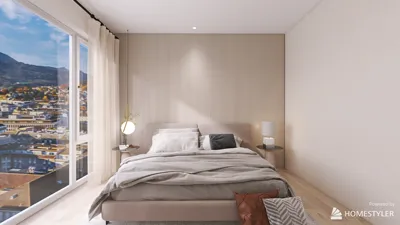


In my past experience, I once mistakenly installed a wall shelf upside down due to my eagerness to complete a project—my client still remembers it fondly. That incident taught me the importance of taking my time and intentionally planning small office spaces; minor errors can be quite conspicuous in compact areas. Before selecting paint colors or light fixtures, I now prefer to visualize my office layout with a quick mockup, ensuring that a mishap like the upside-down shelf doesn’t occur again.
1. Creating Divisions with Rugs and Columns
I consider rugs to act as invisible dividers: a strategically placed rug can effortlessly distinguish between work and relaxation zones without any construction. The advantage is minimal expense paired with added texture, but the downside is that rugs require maintenance and selecting an appropriate size is crucial to avoid a cluttered look in the room.
save pin
2. Vertical Storage That Serves as Decor
I appreciate the combination of open shelves along with closed cabinetry—displaying books, plants, and decorative boxes creates a lively atmosphere without chaos. It offers a lighter appearance than floor-to-ceiling units, yet it demands regular tidying to prevent the shelves from turning into centers of clutter.
save pin
3. Versatile Desk with Concealed Cables
One of my favorite strategies for small offices involves using a desk that can both fold and extend; this is a small investment that significantly changes the overall feel of the space. If you decide to take the DIY route, make sure to measure accurately and draft the office dimensions before purchasing any materials—mismeasured desks are among the most common issues I observe.
save pin
4. Layered Lighting for Concentration and Ambiance
Effective lighting can transform even a mundane corner into a purposeful one: combining task lighting for work with warmer ambient lighting for breaks is key. Mixing an economical desk lamp with LED strips can be cost-effective, but be cautious of screen glare, as it can quickly detract from comfort.
save pin
5. Personal Details That Maintain Functionality
Choose three display pieces—such as artwork, a plant, and a framed picture—to anchor the room’s design. Small sculptures or a pinboard can infuse character without impeding functionality, and to visually experiment, I frequently advise clients to use 3D modeling tools like Homestyler before finalizing paint or shelving choices. This approach reduces unnecessary store visits and emotional attachments to items that may not suit the space.
save pin
FAQ
Q1: What are the simplest DIY enhancements for a home office?
A1: Begin with lighting improvements, a fresh paint application in a focused hue, and efficient cord management. These changes yield the most noticeable upgrades with minimal investment and effort.
Q2: How do I determine the correct desk size for a compact room?
A2: Measure your wall space, ensuring to allow at least 80–90 cm of clearance in front for a chair; creating a layout sketch in advance helps in avoiding oversized purchases.
Q3: Can I implement ergonomic adjustments myself?
A3: Absolutely—consider using a monitor riser, an external keyboard, and an adjustable chair. For structured guidance on ergonomic arrangements, refer to OSHA’s ergonomics resources (https://www.osha.gov/ergonomics) to minimize strain.
Q4: What cost-effective materials offer a good aesthetic?
A4: Materials like plywood with a transparent finish, powder-coated metal legs, and matte paint provide a contemporary appearance without excessive expense. They are durable, although plywood edges should be finished neatly for a polished look.
Q5: How can I ensure a small office feels more spacious?
A5: Utilize light, warm paint, incorporate mirrors to reflect light, and keep large furniture pieces closely monitored. Maintaining visual continuity and integrating a few tall vertical elements helps draw the eye upward, enhancing the perception of height.
Q6: Are plants a practical addition to an office space?
A6: Yes—plants like pothos or snake plants thrive in low-light conditions and can enhance air quality and mood. They require minimal care but do need occasional watering and rotation for balanced growth.
Q7: What budget should I set for a DIY office refresh?
A7: For essentials like paint, lighting, storage, and a few decorative items, expect to spend modestly between $150 and $800 based on quality selections. Prioritize upgrades that impact daily comfort first, such as a quality chair or lamp.
Q8: Any quick staging tips before a Zoom call?
A8: Tidy up your background, introduce a single focal point (like a piece of art or a plant), and assess your lighting—soft lighting from one side can appear more natural. Ensure to check camera framing to avoid cutting off your head and to minimize distracting elements in the background.
save pin
Homestyler is your go-to online home design platform! With its user-friendly design tool, stunning 3D renderings, and a wealth of DIY video tutorials, you can effortlessly create and visualize your dream space. Transform your ideas into reality today with Homestyler!
Diseño ahora GRATIS
































