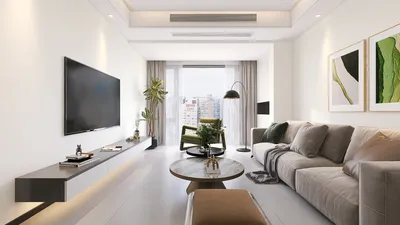


There was a time I attempted to fit a plush loveseat into a living room measuring 7 feet in width, all because a client insisted it was the sole comfortable option after trying out three couches and even a yoga mat. Spoiler alert: the entry door couldn’t even open. This minor disaster educated me on the importance of sketching a layout before purchasing, and I’ve often found that a quick floor plan is essential, especially when dealing with limited space. In fact, small spaces demand better decision-making, revealing where true creativity thrives.
1. Opt for loveseats with slim arms and tall legs to enhance visual lightness
I’m a fan of loveseats that feature slim arms and visible legs; they not only appear smaller but also provide a substantial seating experience. This design offers unobstructed sightlines and facilitates easier cleaning, although one drawback is reduced arm support. A simple solution is to add small bolster pillows for extra comfort.
save pin
2. Look for designs that maximize storage
Loveseats equipped with built-in storage or accompanied by a storage ottoman serve as excellent decluttering solutions for apartments. They increase functionality without occupying additional space; however, such features can elevate costs. Therefore, starting with a material that is easy to clean can help manage your budget more effectively.
save pin
3. Think about modular or dual pieces as an alternative to traditional loveseats
Using two slim chairs or a modular combination can create a makeshift loveseat or be separated when needing more flow. I often draft a simulation of this setup to evaluate options and visualize traffic patterns within the space. For those seeking 3D confirmation, I turn to tools like Homestyler to help visualize the room. The challenge lies in coordinating upholstery, but it also offers an opportunity to diversify textures.
save pin
4. Select a daybed-style loveseat for versatility with guests and relaxation
A daybed loveseat, featuring a back on two sides or a pull-out option, provides excellent flexibility for small homes, making them guest-ready. While the mattress-style cushions can sometimes feel firmer, I suggest using a memory foam topper to enhance comfort without compromising precious space.
save pin
5. Utilize color, scale, and placement to create an illusion of more space
Employing light-colored fabrics, low-contrast legs, and positioning the loveseat away from the wall can open up a cramped room, making it feel more spacious. If your seating arrangement is close to an open-plan kitchen, consider both sightlines and flow; a compact seating area can effectively support an efficient kitchen workflow in studio layouts. However, keep in mind that lighter fabrics are prone to showing wear, so opting for washable slipcovers is wise if you have pets.
save pin
FAQ
Q1: What is the ideal seat depth for a small loveseat?
A: For daily comfort without overwhelming a room, a seat depth of 20–22 inches is recommended. In tighter spaces, I prefer slightly shallower seats so that legs don’t tuck too far under the coffee table.
Q2: Which fabrics are most suitable for small areas occupied by kids or pets?
A: My top choices are stain-resistant performance fabrics or tightly woven synthetics, as they are easy to clean and maintain their shape. Removable slipcovers are an excellent backup plan and are budget-friendly when replacements are needed.
Q3: How comfortable is a sleeper loveseat for regular use?
A: Sleepers can be great for occasional guests, but their mattress thickness is typically less than that of standard beds. For frequent use, I recommend choosing a model with a thicker mattress or complementing it with a foam topper for added comfort.
Q4: How do I accurately measure my room before purchasing a loveseat?
A: Take measurements of doorways, walkways, and the seating area. I always measure width, depth, and the swing of doors and use painter’s tape to mark the footprint on the floor, allowing me to assess circulation effectively.
Q5: Is it appropriate to have a loveseat in an open-plan kitchen/living area?
A: Absolutely — position the loveseat to create distinct zones, use a low-back design or a rug to anchor it, and maintain clear sightlines to ensure the space feels unified. I often recommend compact seating to uphold a smooth kitchen workflow.
Q6: What should I budget for a durable small loveseat?
A: Pricing varies; economical loveseats can start at a few hundred dollars, while higher-quality, durable options range from $800 to $2,000. Consider this an investment in comfort and durability; testing models in person is advisable when possible.
Q7: Are custom loveseats worth the investment for compact spaces?
A: Custom pieces can be perfect for unique dimensions or specific width requirements — although pricier, they often provide better scale and material options. I have recommended custom designs that improved circulation and enhanced the room's functional flow.
Q8: Where can I find expert space-planning advice?
A: Professional organizations like the American Society of Interior Designers (ASID) offer excellent space-planning guidelines; you can find more information at https://www.asid.org. I frequently refer to these standards when designing circulation and clearance in compact living environments.
save pin
Homestyler is your go-to online home design platform, perfect for both novices and seasoned designers. With an easy-to-use design tool, stunning 3D renderings, and a wealth of DIY video tutorials, it empowers you to transform your interior spaces effortlessly. Dive into your design journey today!
Zaprojektuj teraz za darmo
































