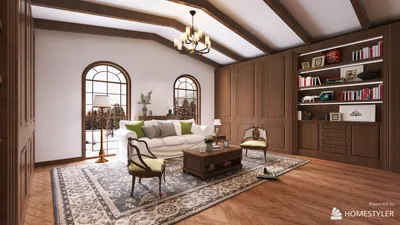


I once persuaded a client to replace an extravagant chandelier with a series of vintage bulbs—only to find out that the ceiling was too low and the bulbs nearly touched our heads during dinner. We resolved this issue by adding a simple rail and dimmers, making the space feel both larger and cozier. For a quick tip: always check the hanging height before purchasing your standout piece.
Small dining areas compel me to be both innovative and strategic; they frequently lead to my most cherished solutions. If you're interested, consider utilizing a space planning demonstration early in the design process to visualize scale and circulation before settling on furniture.
1. Foldaway and Expandable Tables
I have a great fondness for foldaway tables in studio settings—one moment it serves as a cozy breakfast nook, and the next it expands into a six-person dining table for gatherings. The clear benefit is versatility and reclaimed floor space, but the tricky part lies in selecting durable hardware along with a tabletop that maintains an elegant appearance when extended.
Tip: invest a little more in high-quality sliding rails and choose a finish that conceals seams; this small upfront expense can save you from future headaches.
save pin
2. Layered Lighting and Reflective Surfaces
Employing layered lighting—overhead, task lighting, and accents—can transform a bland corner into a captivating destination. I once integrated an LED strip underneath a bench along with a mirror opposite a pendant light to create an illusion of depth; the impact was striking yet budget-friendly.
Pro: this strategy enhances mood and usability. Con: retrofitting wiring can be a bit tricky, so plan your circuits or consider rechargeable solutions for an easier installation.
save pin
3. Mixed Seating and Textures
Combining benches, chairs, and poufs works well in compact dining areas and encourages lounging after meals. Diversifying textures—like wood, woven fabrics, and metal—adds warmth and keeps the space from resembling a showroom, although achieving proportionate balance may require a few attempts.
For open-plan designs adjacent to kitchens, ensure the dining area’s palette aligns with the nearby cabinetry; I frequently consult smart kitchen layout ideas to achieve a cohesive flow and finish throughout the spaces.
save pin
4. Vertical Storage and Display
When floor space becomes limited, I often look upwards. A narrow, tall cabinet or open shelving above a banquette not only stores glassware but also acts as a display wall. This approach renders the dining area both functional and personalized; just remember to keep heavier items lower for safety and convenience.
Budget tip: upcycle vintage shelves or paint affordable units to match your décor for a refined appearance without stretching your budget.
save pin
5. Statement Table Setting and Greenery
Sometimes, the most significant impact comes from the smallest details: incorporating a table runner, layered placemats, a sculptural centerpiece, and a few potted herbs can elevate meals into extraordinary experiences. Adding plants brings life and texture, but ensure you select light-tolerant varieties if the nook is dim.
I often conclude designs with a quick mockup to check scales and sightlines; a realistic 3D walkthrough can unveil awkward situations that aren’t evident on paper.
save pin
FAQ
Q1: What are the ideal types of space-saving dining tables?
Drop-leaf and expandable tables are excellent choices since they adapt well to everyday needs. Opt for robust mechanisms and finishes that conceal wear for durability.
Q2: How can I make a small dining area feel more spacious?
Utilize light colors, mirrors, and layered lighting to enhance brightness and perceived depth. Multi-functional furniture and clear lines of sight to adjacent areas also contribute to this effect.
Q3: Is it acceptable to mix different styles of chairs around a single table?
Absolutely—mixing chairs brings character and can be cost-effective when sourcing. Maintain a unifying theme, such as consistent color or material, to ensure the mix feels purposeful.
Q4: How much space should I allow around a dining table?
Aim for at least 24–30 inches from the table’s edge to walls or obstacles for comfortable seating and movement. If your space is limited, consider providing bench seating on one side.
Q5: What type of lighting is best for dining areas?
A dimmable pendant light situated above the table, combined with softer ambient sources, creates a highly adaptable atmosphere. The National Kitchen & Bath Association (NKBA) advises layered lighting; check their resources at https://www.nkba.org for guidance on standards and practices.
Q6: How should I select a color palette for my dining nook?
Begin with one dominant neutral and introduce two accent colors through textiles and décor to achieve balance. Small spaces can handle bolder accents if larger surfaces remain muted.
Q7: Is the placement of a rug under a dining table important?
Indeed—select a rug that extends beyond the chairs by at least 24 inches, so that when seats are pulled out, they remain on the rug. This helps avoid awkward situations and keeps the area cohesive.
Q8: What are budget-friendly methods to refresh dining decor?
Consider swapping out textiles, adding plants, or updating lighting to revamp the room affordably. Even simple alterations like new napkins or a fresh coat of paint can make a significant change without requiring a complete overhaul.
save pin
Homestyler is your go-to online home design platform! With its easy-to-use design tool, stunning 3D renderings, and a wealth of DIY video tutorials, you can effortlessly create your dream space. Explore inspiring design projects and transform your ideas into reality today!
تصميم الآن مجانا
































