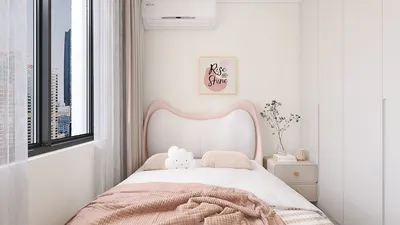


I once decided to paint a hallway in the specific shade my client assured would make their cat appear slimmer. The outcome? The cat was not impressed, but I gathered valuable insight on how colors can misrepresent without contextual backing. This experience led me to utilize virtual previews extensively; I now ensure colors are vividly represented in mockups before I pick up a brush.
If you’d like to experiment with color selections without the fear of wasting paint, consider creating a quick room mockup to assess scale and lighting. Even the smallest spaces can inspire great creativity, and I’m excited to share five effective visualizer-inspired tips drawn from over a decade of designing compact interiors.
1. Begin with a neutral foundation and explore one vibrant accent wall
I frequently suggest that my clients paint three walls in a soothing neutral tone while using a visualizer to try out one striking accent wall. This approach keeps the room feeling balanced while allowing for creative experimentation — the advantage lies in its low-risk nature; however, the challenge is selecting the right accent color that blends well with existing furnishings.
save pin
2. Explore tonal layers rather than stark contrasts
Tonal palettes (varying shades from light to dark within the same color family) can create a cohesive atmosphere in compact areas. Utilize the Homestyler tool to drag similar hues across walls, trims, and cabinets for subtle depth; it’s a forgiving method, but patience is necessary to achieve the perfect undertones.
save pin
3. Simulate various times of day lighting
Lighting dramatically impacts color perception — what appears dreamy blue at midday might come off as cold at dusk. I rely on a 3D space preview to evaluate how morning, noon, and evening light influence the room, ensuring clients are not left with unexpected surprises later on. This is an effective strategy to steer clear of costly repainting.
save pin
4. Define multifunctional areas with painted 'zones'
In small apartments, I often paint a cozy reading nook or workspace in a contrasting color to define the purpose of that area. The visualizer helps ensure that the accent does not dominate the room, facilitating an effortless flow — although care is needed to prevent clashing colors.
save pin
5. Test cabinet and trim colors together
When selecting paint for cabinets and trims, the colors can look different side by side; I always simulate them in a mockup. If you’re redesigning a kitchenette, a visual layout of the kitchen can illustrate how cabinet colors, backsplashes, and wall paint work collectively, helping you save both cash and regret.
save pin
Tips 1:
Budget Insight: Free visual mockups can answer a majority of your questions, but for intricate undertones, I sometimes order sample pots and paint 12"x12" boards for confirmation. Pro tip: always view samples under the lighting of your room, not just in natural daylight.
save pin
FAQ
Q1: What is a paint visualizer and how useful is it?
A paint visualizer is a digital resource that allows you to preview paint colors on your walls; in my experience, it can help prevent many expensive mistakes. It lets you assess scale, contrast, and the interaction of colors with light prior to making a paint purchase.
Q2: How precise are online color previews?
They provide a solid direction but aren’t always perfectly accurate — screen settings vary, and paint finishes can change under different lighting conditions. I treat them as guidance tools, validating my choices with physical swatches on site.
Q3: Can a visualizer depict changes in lighting?
Many sophisticated visualizers, like Homestyler, can simulate different times of day and lighting settings, which I utilize to avoid negative surprises come evening. Such simulations are game-changers for spaces with limited natural light.
Q4: What’s the optimal way to choose an accent wall?
Select a wall that naturally draws attention (like the one behind a bed or couch) and experiment with various intensities of the same shade in the visualizer. If in doubt, opt for a shade or two deeper than your base color.
Q5: Should trims be warmer or cooler than the walls?
Trims typically benefit from a warmer or brighter tone to complement the wall color, though the ideal choice ultimately depends on your overall palette. Always visualize trims alongside walls to avert unexpected clashes.
Q6: How many samples should I physically test?
I suggest trying three contenders from your visualizer shortlist; paint small boards and observe them over two days. This will give you a realistic idea of undertones and overall durability.
Q7: Is there a quick reference for paint finishes and longevity?
Absolutely! For professional insights on finishes and upkeep, I refer to Sherwin-Williams’ guidance: https://www.sherwin-williams.com/. Their technical notes are concise and credible, providing excellent direction.
Q8: Can I use a visualizer for kitchens and bathrooms?
Definitely! Visualizing cabinetry, tile, and wall colors together can prevent expensive renovation errors. In kitchens, I always create a complete layout mockup to ensure that materials and paint effectively harmonize.
save pin
Homestyler is your go-to online home design platform, perfect for bringing your ideas to life! With an easy-to-use design tool, stunning 3D renderings, a wealth of design projects, and informative video tutorials, you can effortlessly create your dream space. Get inspired and start designing today!
Desain sekarang Gratis
































