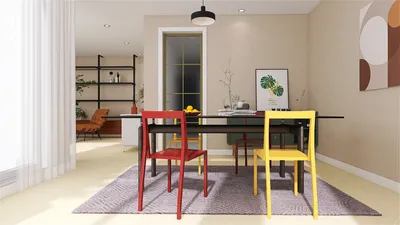


One night, I attempted to spray paint a small laundry closet and ended up transforming the entire hallway into a unique art piece. This taught me an important lesson: it's crucial to select the appropriate sprayer and to practice in an outdoor space first. When working within confined areas, a meticulous approach to small-space projects is far more beneficial than sheer force; I often take the time to sketch layouts when planning finishes for such tight spaces, which is where I find tools for small-space planning, like Homestyler, particularly useful before choosing a sprayer.
1) Inspiration: HVLP handheld sprayers for cabinet finishes
I really appreciate HVLP handheld sprayers when it comes to cabinets and furniture, as they provide a smooth finish almost akin to spray cans while minimizing overspray associated with larger machines. They are easy to control, forgiving, and perfect for projects where quality of finish is paramount over speed; however, they do take more time to cover large walls effectively, so it's best to reserve them for cabinetry and trim work.
save pin
2) Inspiration: Airless sprayers for quick wall and exterior applications
When a full room requires coverage in just one day, I always rely on airless sprayers — they apply paint rapidly and can deal with thicker paint types without the need for thinning. While they can create a bit of mess and necessitate proper masking and some practice, when paired with diligent preparation, they significantly save both time and labor costs on larger surfaces.
save pin
3) Inspiration: HVLP turbine systems for furniture and built-ins
For high-end built-ins, I sometimes opt for a turbine system, which offers superior atomization, enhanced pattern control, and is particularly effective for lacquer or similar finishes. There may be a learning curve and additional setup time involved, but the end result is often an almost-factory finish on pieces that remain in prominent view.
save pin
4) Inspiration: Cordless battery sprayers for quick touch-ups
Battery-powered sprayers are a hidden gem for performing quick touch-ups and are perfect for rental properties — they are lightweight, portable, and excellent for spot jobs when dealing with cumbersome cords is not practical. While they lack industrial strength, they excel in delivering light coats and quick turnovers rather than handling heavy renovations.
save pin
5) Inspiration: Mini-detail sprayers and multi-tool kits
For those smaller projects — like painting shutters, window sills, and railings — mini sprayers and adaptable gun kits are fantastic options. They are budget-friendly and versatile, but it’s important to pay attention to nozzle selection: using the wrong tip can lead to issues like orange peel textures or runs, so it’s wise to keep a variety of tips handy along with a test board nearby to ensure accuracy.
A practical tip: for kitchen projects, I always adjust my painting strategy based on the placement of appliances and cabinetry workflow; it’s remarkable how an intelligent layout can make the spraying process simpler, especially when navigating corners and vents — I often utilize kitchen layout ideas to gauge my masking requirements.
Budget-wise: entry-level handheld HVLP sprayers are affordable and fantastic for DIY enthusiasts, mid-tier airless sprayers work best for large house projects, and turbine systems shine in terms of finish quality. Regardless of the tool you choose, it’s essential to practice on cardboard, thin your paint as per specifications, and invest in quality masks and tarps — cleanup truly is part of the overall time investment.
Lastly, one effective trick for workflow is to take photos of your test spray and the final result; this aids in consistently replicating settings across different rooms and provides clients with clear before-and-after comparisons. When needing to convey a vision, I occasionally create 3D renderings using tools like Homestyler to visualize how a painted wall or cabinet will appear within the entire space.
save pin
FAQ
Q1: Which type of sprayer is optimal for interior walls?
For complete interior walls, I suggest using an airless sprayer because of its speed and coverage efficiency. Although HVLP sprayers can be utilized, they are generally slower and require more paint thinning for expansive surfaces.
Q2: Can I use a paint sprayer for kitchen cabinetry?
Certainly — HVLP handhelds or turbine systems perform exceptionally well on cabinets, yielding smooth, professional finishes as long as you properly sand and prime the surfaces beforehand.
Q3: Do paint sprayers save time on small DIY projects?
They can indeed, but setup, masking, and cleanup can extend the overall time; for regular smaller jobs, a cordless or mini sprayer proves advantageous, whereas one-off tasks might be more efficient with brushes or rollers.
Q4: What safety equipment do I need?
At the very least, utilize an N95-rated or superior respirator, eye protection, and coveralls; adequate ventilation is essential to prevent inhaling fine particles and solvent fumes.
Q5: How can I minimize overspray?
Effective masking, using drop cloths, and ensuring you have the appropriate spray tip and pressure settings for your material are essential; practicing on cardboard and fine-tuning the spray pattern before transitioning to the actual surface will yield better results.
Q6: Are there any health concerns related to older homes?
If your residence was constructed before 1978, it is crucial to test for lead paint before making any alterations; the EPA provides guidelines for lead-safe working practices (see https://www.epa.gov/lead).
Q7: What is the best way to maintain a paint sprayer?
Cleaning your sprayer immediately after each use according to the manufacturer's guidelines is vital, as is replacing worn tips and storing it dry; proper maintenance can significantly extend the lifespan and ensure consistent spray quality.
Q8: Where can I find real layouts to strategize my spraying logistics?
Examining room designs and kitchen layouts is beneficial for planning masking and access; reviewing case studies and layout references can expedite the process of estimating the required materials and time.
save pin
What began as an Autodesk innovation has evolved into a design platform used by more than 18 million people around the globe. Homestyler combines powerful rendering, an intuitive editor, and a vast furniture library to help you turn inspiration into photorealistic designs — whether you're redesigning a single room or planning an entire home.
Discover your dream home with Homestyler! This user-friendly online design platform offers an intuitive design tool, stunning 3D renderings, and a wealth of DIY video tutorials. Whether you're a novice or a pro, bring your interior design visions to life effortlessly!
تصميم الآن مجانا
































