

During a past visit to a client's compact galley kitchen, I was taken aback by their choice to paint the entire space a bright neon coral, inspired solely by the happiness it evoked from the can. While it’s a memory that brings a smile, it also highlighted the fact that color can significantly impact a small kitchen's atmosphere — both positively and negatively. For those challenged by tight spaces, combining the right color with a thoughtful layout can create transformations that feel as impactful as a full renovation. That's why I often suggest utilizing innovative small kitchen designs on platforms like Homestyler to visualize color and layout adjustments efficiently.
Working within small areas can ignite immense creativity — it compels you to be discerning, intelligent, and even a bit whimsical. Below, I will share five inspiring paint colors I've employed in actual projects, explaining their effectiveness and the slight compromises to consider. These suggestions are practical, approachable, and budget-friendly; think of them as handy tips to make your compact kitchen seem more spacious than it actually is.
1. Cozy White with Natural Wood Elements
A personal favorite approach is to use a warm, creamy white for walls and upper cabinets, complemented by lower cabinets in natural oak or walnut. This color scheme reflects light beautifully, while the wood elements add warmth, maintaining a welcoming atmosphere. It's a low-risk, timeless option that provides flexibility for future changes in accessories and hardware and works well in various layouts showcased on Homestyler.
Beware of the downside: white surfaces tend to show fingerprints and scuffs easily, so it's wise to select a sturdy, washable finish for areas with less foot traffic, accompanied by a small touch-up kit.
save pin
2. Gentle Sage Green for a Serene Yet Vibrant Ambiance
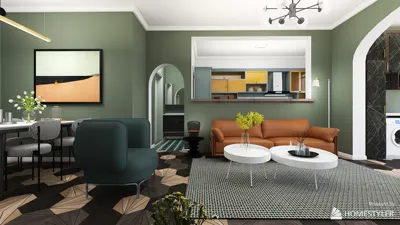
Applying sage green to a single wall or as the color for lower cabinets can instill a tranquil, organic feel without making the space appear smaller. I incorporated this shade in a rental renovation, and both the tenants and the photography results were delightful. This hue pairs exceptionally well with white tiles and brass accents, creating a blend of modern and traditional aesthetics.
One drawback: strong lighting can alter the appearance of green tones, so it's essential to test paint samples at different times of the day before settling on a choice.
save pin
3. Rich Navy for Striking Contrast and Depth
If you're looking for drama without overwhelming the space, consider painting a single accent wall, the base of an island, or a pantry door in a deep navy. This color adds depth, making lighter elements feel more expansive. In one compact project, navy lower cabinets made the upper shelves appear to float gracefully, achieving instant sophistication.
The trade-off is that darker colors conceal wear and tear, but any mishaps with trim or ceiling color will be starkly visible, so plan for clean transitions and might consider a semi-gloss finish to ease cleaning.
To understand how various paint placements affect perceived space, I prefer utilizing 3D visualizations prior to finalizing any color decisions.
save pin
4. Brightened Yellow on Upper Cabinets for Joyful Vibes
For a tiny kitchen that craves character, using a muted sunshine yellow on upper cabinets draws the eyes upward and creates an uplifting ambiance. This choice becomes surprisingly chic when paired with matte white countertops and understated stone backsplashes. I employed this design in a studio apartment which notably enhanced the tenant’s mornings, likening it to sipping coffee in the sunlight.
It’s important to keep the yellow subdued (avoiding neon tones) in small areas to prevent overwhelming sensations; living with swatches for a few days can help gauge the impact.
save pin
5. Cohesive Monochrome Gray with Varied Textures
When layered with textures, gray can be anything but dull: think matte cabinets, glossy subway tiles, textile rugs, and wooden shelves. A monochrome approach can unify a compact kitchen, creating a sophisticated narrative. I recommend leaning towards warmer grays to prevent a cold ambiance.
A minor concern is that overly flat palettes may feel monotonous; therefore, integrating brass hardware, a patterned runner, or a colorful kettle can breathe life into the space. For those seeking algorithm-driven suggestions, exploring AI tools, possibly like what Homestyler offers, might help generate appealing color combinations efficiently.
save pin
Frequently Asked Questions
Q1: What type of paint finish is best for small kitchens?
Opt for an eggshell or satin finish on walls for durability and a subtle sheen; semi-gloss is ideal for trim and cabinets due to ease of cleaning. It's advisable to avoid flat finishes in areas prone to moisture.
Q2: Will dark colors make my small kitchen appear smaller?
Thoughtfully applied dark paints can recede walls (e.g., on lower cabinets or accent walls), enhancing perceived depth rather than causing the space to feel restricted. The key is to maintain balance — pair darker shades with reflective surfaces and ample lighting.
Q3: How do I best test paint colors in a small kitchen?
Always apply sizeable swatches on multiple walls, observing them at various times throughout the day. I suggest testing an area of at least 2x2 feet to accurately see how light interacts.
Q4: Should I prefer cool or warm tones for small kitchens?
Warmer hues (creams, warm grays, subtle greens) often convey a more inviting atmosphere in confined spaces, while cool tones can introduce a crisp, modern appeal. Your choice should depend on lighting and the mood you wish to emanate.
Q5: Can paint serve as a substitute for a complete kitchen remodel?
Indeed, paint is a high-impact and low-cost update that can refresh cabinetry, delineate areas, and alter perceived size, but it doesn't replace significant structural changes like repositioning plumbing or enlarging windows.
Q6: How should I coordinate backsplash and cabinet colors?
To ensure cohesion, select a cabinet color first, then find a backsplash that either complements or subtly contrasts with it. Neutrals with texture tend to be safe choices for longevity.
Q7: Is there evidence of how color influences the perception of space?
Absolutely — the interplay of color and light significantly affects spatial perception; design literature and paint brands such as Benjamin Moore frequently release insights and trends. For example, their Color Trends reports delve into the effects of color and light on mood and space perception.
Q8: What’s a budget-friendly method to experiment with bold colors?
Start small: consider painting an island base, the interiors of open shelving, or a pantry door to test a daring hue with minimal investment. It allows for a reversible option while providing a glimpse of the desired aesthetic before committing to larger changes.
save pin
Homestyler is your go-to online home design platform! With its user-friendly design tool, stunning 3D renderings, and a wealth of inspiring design projects and video tutorials, you can effortlessly create and visualize your dream space. Start designing today!
Concevez maintenant gratuitement
































