

In the past, I painted a home office in the precise hue my client loved from an online inspiration—only to find it turned neon under studio lights, causing discomfort for everyone. This experience taught me the importance of testing paint swatches in natural light and considering a broader range of options beyond a single favorite image. I firmly believe that even small spaces can drive significant ideas, and selecting the right color is one of the quickest ways to enhance productivity. If you want to preview how different colors will appear in your layout before making a decision, consider visualizing your office design using tools like Homestyler.
Today, I’d like to explore five inspiring paint colors that I frequently recommend to my clients, explaining their effectiveness, potential trade-offs, and handy tips to ensure your office promotes productivity.
1. Soothing Blues for Enhanced Focus
I often use muted shades of blue in areas designated for reading and concentration because blue is known to lower heart rates and reduce visual distractions. The advantage is that it fosters focus and provides a calm, professional backdrop for video conferencing. However, a downside is that overly cool blues might come off as sterile—incorporating warm wood accents or brass can help warm up the space. A practical tip: opt for blues with gray undertones to keep the look elegant in both natural and artificial lighting.
save pin
2. Soft Greens to Inspire Creativity
Given green’s natural association with the outdoors, it serves as an ideal color for creative spaces and extended working hours, being gentle on the eyes and beautifully complementing greenery. I once transformed a small design studio with sage-green walls, leading team members to report feeling more relaxed during brainstorming sessions. A notable challenge is that bright greens may feel overwhelming; I recommend opting for muted or subdued greens and adding texture with elements like woven blinds or cork pinboards.
save pin
3. Versatile Warm Neutrals
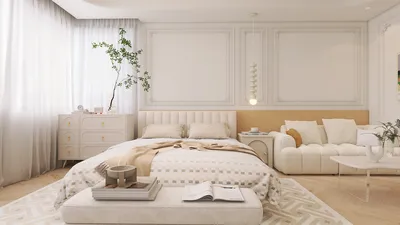
Warm tones such as beiges, greiges, and soft taupes are my preferred choices when clients desire a timeless background that adapts with changing furniture and technology. They reflect light beautifully without clashing with artwork or screens. If you wish to visualize how a neutral color will pair with your desk and shelves, creating a quick mockup using a design tool like Homestyler can prevent unnecessary repainting later. A minor drawback is that neutrals can appear flat; layering different light sources and incorporating a striking desk chair can really bring the room alive.
save pin
4. Dynamic Accent Walls
Utilizing a single deep accent color—such as navy, charcoal, or forest green—can add depth and create a focal point in a small office without overwhelming it. I often suggest painting the wall behind the monitor or a window seat, as it frames video calls beautifully. It’s crucial to note that bold colors can highlight wall imperfections, so proper preparation is key, and you might need to perform touch-ups over time.
save pin
5. Two-Tone Walls for Subtle Zoning
Painting the lower third of a wall a darker shade while keeping the upper two-thirds lighter can subtly define areas within an office while making ceilings appear taller. This technique is particularly effective in narrow spaces as it creates visual interest without cluttering the room. For a modern touch, think about mixing classic shades with contemporary design finishes—if you want quick, updated palettes and even AI-driven design suggestions, beginning with Homestyler can be a smart choice. A minor con: careful cutting-in is essential for a sharp line.
Final quick advice: always test larger swatches, examine them at the time of day you primarily work, and match colors with lighting and textures rather than solely relying on paint.
save pin
FAQ
Q1: What are the best paint colors for small offices?
Opt for muted blues, soft greens, or warm neutrals; these colors can make compact spaces feel more open and tranquil. If you’re looking for depth without reducing space, consider adding an accent wall.
Q2: How can I effectively test paint in my office?
Apply large swatches on poster board or directly on the wall, and observe them under different lighting conditions—morning, midday, and evening—before making a final decision on your choice.
Q3: Do wall colors really influence productivity?
Absolutely, colors can significantly impact mood and concentration. As an example, blues often encourage focus, whereas greens tend to foster creativity. Research in environmental psychology has demonstrated measurable effects of light and color on emotional states (Küller et al., Journal of Environmental Psychology, 2006).
Q4: Are vivid colors distracting for video calls?
Bright, saturated colors can cast unwanted reflections onto skin tones, distracting viewers. For frequent video calls, it’s advisable to use mid-tone neutrals or muted colors in your background.
Q5: Can I apply the same color scheme to both my home and office?
Definitely—just be mindful of functionality. Home offices aim to blend comfort with focus, so choose colors that enhance the type of work you engage in most, and coordinate your furnishings for a unified aesthetic.
Q6: How many paint coats should I expect?
Typically, two coats provide satisfactory coverage, but deeper or more saturated colors may require three. Using a quality primer can expedite the finishing process and promote even application.
Q7: What type of lighting goes well with cooler paint colors?
Warm LED bulbs (2700K–3000K) can add a cozy feel to cool-toned walls, while neutral white light (3500K–4000K) helps maintain accurate color presentation. Layering task and ambient lights provides versatility.
Q8: Any budget-friendly tips for repainting an office?
Start with a single wall or implement a two-tone lower stripe for an economical refresh, and prioritize high-quality paint for high-traffic areas to minimize future maintenance.
Discover your creativity with Homestyler, the ultimate online home design platform! Utilize its user-friendly design tool, explore stunning 3D renderings, and access a wealth of design projects and DIY video tutorials. Transform your home design dreams into reality effortlessly!
Zaprojektuj teraz za darmo
































