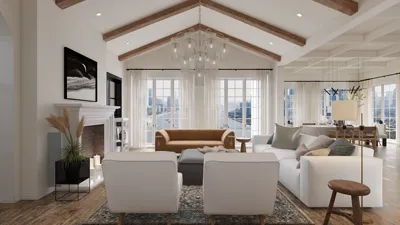


As an experienced interior designer with over a decade of expertise, I have witnessed the rise of open concept living and dining areas as a prevailing trend in contemporary home designs. This approach not only promotes an airy and sociable atmosphere but also encourages inventive thinking, particularly in smaller spaces where every square inch is valuable. Through multiple renovations of compact apartments, I have discovered that limited spaces often inspire expansive design visions. In this article, I will present my top 10 open concept living and dining room ideas, merging my hands-on experiences with insights backed by experts in the field.
1. Minimalist Furniture Selections
My Insight: When crafting an open concept layout for a young couple, I opted for sleek, low-profile sofas paired with a streamlined dining table. The outcome? A decluttered environment that instantly felt more spacious.
Advantages: Emphasizing minimalist furniture enhances the visual flow and maximizes walking paths, which is essential for small open concept designs, as stated by the American Institute of Architects.
Disadvantages: If you enjoy curating decorative items, the minimalist approach might come across as too sparse or impersonal.
Suggestion: Choose furniture that offers hidden storage to keep a tidy appearance without sacrificing practicality.
2. Using Rugs to Define Spaces
My Insight: In a past project, placing a textured jute rug beneath the dining table alongside a soft, low-pile rug in the living area created an intuitive layout without needing physical barriers.
Advantages: Area rugs establish visual boundaries and enhance acoustics, which is vital for open floor concepts.
Disadvantages: They necessitate regular upkeep, particularly in dining contexts where spills are common.
Utilizing minimalist kitchen storage adheres to the same zoning concept—ensuring everything feels deliberate.
3. Striking Lighting Fixtures
My Insight: I've learned that pendant lighting above the dining table and a contemporary chandelier in the living area can beautifully anchor each section.
Advantages: Lighting serves a dual purpose of functionality and artistry, adding depth to open layouts.
Disadvantages: Premium fixtures can be costly; lower-priced alternatives might not achieve the desired impact.
Suggestion: Combine different heights and bulb colors for layered lighting effects.
4. Coordinated Color Schemes
My Insight: Selecting colors that transition seamlessly across spaces—such as warm grays and earthy tones—can enhance the perception of openness.
Advantages: A harmonious color scheme fosters unity and prevents visual disarray, as noted by Architectural Digest.
Disadvantages: Over time, you may feel the need for more contrast.
5. Versatile Furniture Designs
My Insight: I've developed layouts featuring extendable dining tables and sleeper sofas—ideal for hosting overnight visitors without overcrowding the environment.
Advantages: Multi-functional furniture optimizes utility while providing cost and space efficiency.
Disadvantages: Such pieces can often be heavier and trickier to clean or relocate.
6. Open Shelving for Character
My Insight: Implementing open wall shelves between the living and dining spaces creates a subtle division while showcasing decorative items.
Advantages: This solution not only adds storage but allows for personalization of the area.
Disadvantages: If not styled thoughtfully, open shelves can become cluttered.
A glass backsplash can similarly enhance the openness by reflecting light and maintaining a fresh appearance.
7. L-Shaped Arrangement Flow
My Insight: Arranging furniture in an L-shape, when feasible, naturally divides the two areas.
Advantages: This layout encourages logical pathways and utilizes corner spaces effectively.
Disadvantages: Such arrangements may not be ideal for very narrow floor plans.
8. Incorporating Wood Elements for Warmth
My Insight: In urban environments, integrating wood features—like oak dining chairs or a walnut coffee table—instantly infuses warmth into the design.
Advantages: Wood tones bestow a timeless appeal that complements modern minimalism.
Disadvantages: Natural woods demand maintenance to prevent scratches or staining.
Adding wood accents significantly enhances both design aesthetics and the comfort of compact kitchen layouts.
9. Glass or Sliding Dividers
My Insight: Glass sliding doors allow for partial separation of areas while preserving natural light—ideal for those working remotely.
Advantages: This setup offers flexibility in space utilization while keeping a connection between zones.
Disadvantages: It requires a solid budget and expert installation to avoid issues with tracks.
10. Art as a Central Feature
My Insight: A large abstract painting once linked the living and dining spaces, serving as a focal point for conversations with guests.
Advantages: Art infuses personality and can unify varying furniture styles.
Disadvantages: Large artworks may incur significant costs and can be cumbersome to swap out seasonally.
Conclusion
Creating an open concept living and dining room revolves around smart design choices, rather than merely maximizing space. A compact area is not a constraint—it's an invitation to explore inventive and thoughtful solutions, as emphasized by professionals at Homestyler. Which of these 10 concepts are you eager to implement in your home?
FAQ
1. What advantages does an open concept living and dining area provide? It fosters a spacious, interconnected environment, encourages natural light, and promotes social engagement.
2. How can I add coziness to my open plan? Incorporate rugs, warm lighting, and textures like wood or textiles to enhance comfort and intimacy.
3. Is it possible to distinctively separate zones without walls? Certainly—use rugs, open shelving, or changes in lighting to subtly delineate areas.
4. Which colors work best in open concept settings? Neutral base colors with accent tones help maintain cohesion; experts at Architectural Digest suggest keeping to fewer than four primary colors for harmony.
5. Are open plans suitable for smaller homes? Absolutely—they can create the illusion of larger spaces by eliminating visual barriers.
6. How should differing flooring be managed in open concept rooms? Consistent flooring helps unify the space; varying textures can define sectors, but transitions should be smooth.
7. What types of furniture are appropriate in open layouts? Choose low-profile, multifunctional pieces to keep sightlines clear and offer flexibility.
8. Can privacy be maintained in an open concept design? Yes—consider sliding panels or screens. Explore creative partition solutions for inspiration.
Homestyler is your go-to online platform for home design! With its user-friendly design tool, stunning 3D renderings, and a treasure trove of DIY video tutorials, you can effortlessly create and visualize your dream space. Transform your home design ideas into reality today!
Design Now for FREE
































