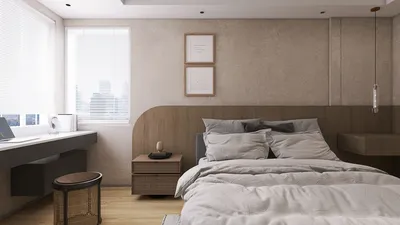


I vividly recall a client who aimed to transform their compact living area into a beachside cottage ambiance, seeking a beige that could avoid the ordinary. It was an enlightening experience where I discovered that the right neutral can exude both tranquility and personality; indeed, small spaces can inspire great creativity. For those seeking visual expansiveness while still maintaining warmth, here are five ideas I frequently utilize in projects, complemented by some inspiring small-space planning examples incorporated in a layout using Homestyler.
1. Warm Greige: The Versatile Comfort
Greige, that ideal blend of gray and beige, is my preferred choice when clients wish for warmth without yellow undertones. It reflects ample light to keep a compact living room feeling open, while instilling a gentle, homey feel that stark white cannot achieve. A small caveat is the color's undertones: it’s essential to test samples in varying morning and evening light because some greige shades can lean towards pink or appear too cool.
save pin
2. Soft Warm White: A Homey Glow
Using a creamy warm white instantly brightens any snug space and serves as a perfect backdrop for vibrant pillows or artwork. This shade contributes to an illusion of height in ceilings, yet it can fall flat if paired solely with beige hues — therefore, incorporating layered textures such as linen, wicker rugs, and natural wood tones helps maintain visual interest. Money-saving tip: you won’t need high-end paint for every wall; reserve premium paint for trim or a standout accent.
save pin
3. Pale Taupe: Subtle Dimension Without Darkness
Pale taupe allows me to introduce subtle depth to a compact living room while keeping the atmosphere neutral. This color works excellently in north-facing rooms needing a hint of warmth. A practical strategy I employ is to pair taupe with a lighter shade on the ceiling and reflective lampshades to avoid any heaviness — for ideas, check out this 3D layout example that balances taupe walls with cheerful textiles using Homestyler.
save pin
4. Muted Sage-Gray: A Calm, Earth-Inspired Choice
For those desiring a neutral inspired by nature, a very muted sage-gray performs wonders. This color reads as neutral in photographs while offering a touch of color in reality, perfect for pairing with natural wood and rattan. However, one drawback is compatibility with existing furnishings: greener neutrals may clash with specific wood tones, so it’s advisable to bring swatches prior to making any commitments.
save pin
5. Light Cool Gray: A Modern, Spacious, Yet Inviting Option
Light cool gray maintains a contemporary and open feel in a small living space without the rigidity of pure white. I frequently opt for this color when clients prefer cooler palettes alongside metallic accents. A consideration is — cool grays can appear somewhat clinical on their own; introducing warm metals or textured throws can soften the space. For anyone wanting to plan out furniture placement and color schemes before painting, this detailed floor plan walkthrough with Homestyler helped one client visualize her relocations and made a repaint unnecessary.
Selecting the ideal neutral involves both artistry and scientific approach. I always test a minimum of three swatches on various walls and observe them over several days before finalizing decisions. Minor adjustments — such as a warmer light bulb, an enriching rug, or a single accent wall — can transform a choice that initially felt lackluster into a harmonious space that resonates.
save pin
FAQ
Q1: What is the best neutral shade for a compact living room that lacks natural light?
A: Opt for warm neutrals like warm white or greige that feature a higher light reflectance value. These shades will bounce available light throughout the room and avoid the washed-out appearance that cold grays can produce.
Q2: Should the ceiling be painted the same color as the walls to create a sense of spaciousness?
A: Opting for a ceiling color that is lighter than the walls generally enhances the perception of height. In an already small room, a unified tone can be effective, but subtle contrast typically enhances depth.
Q3: How many paint samples do I need to try before making a final choice?
A: I advise testing at least three full-size swatches applied on different walls, observing them at different times of day. Variations in light can dramatically alter the perception of color.
Q4: Are greiges preferred over pure grays for smaller rooms?
A: Greiges often impart warmth and allow for greater flexibility with various furnishings, making them an ideal choice for snug living spaces. In contrast, pure grays may seem cooler and might necessitate the addition of warmer accents.
Q5: Can neutral colors conceal scuffs and dirt in high-traffic living rooms?
A: Mid-tone colors typically conceal wear better than very light or dark paints. Consider also using washable finishes for walls in spaces that see a lot of activity.
Q6: How do undertones impact my color choice?
A: Undertones (pink, green, blue, yellow) can significantly alter how a neutral appears under various lighting conditions; always test swatches alongside your furniture and compare them under both natural and artificial lights before finalizing your selection.
Q7: Is there a systematic method for comparing colors?
A: Absolutely — the Light Reflectance Value (LRV) is a quantifiable figure that indicates how much light a color reflects. As per Sherwin-Williams, LRV helps in predicting how bright or dark a paint will seem in a space. Learn more at [sherwin-williams.com](https://www.sherwin-williams.com/homeowners/color/paint-colors/light-reflectance-value).
Q8: How can I test paint colors without purchasing numerous cans?
A: Consider using peel-and-stick sample cards or small sample pots to apply 1-2 square-foot patches. Living with each option for a few days can replace the hassle of a complete repaint.
save pin
Homestyler is your go-to online home design platform! With its user-friendly design tool, stunning 3D renderings, and a wealth of design projects and DIY video tutorials, you can effortlessly create and visualize your dream space. Transform your ideas into reality today!
Design Now for FREE
































