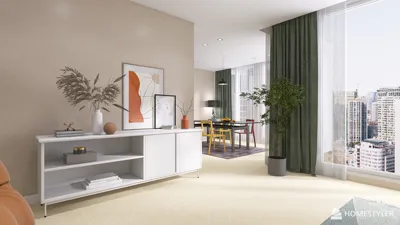


In recent years, the trend of neutral color schemes has taken over living room designs, and it’s easy to see why. Soft beiges, warm greys, and subtle taupes give spaces a timeless yet flexible feel. Personally, I appreciate how starting with a neutral foundation in a small living area can inspire an array of creative styling concepts. In this article, I'll share my top 10 favorite ideas for neutral living rooms, blending my insights with trusted design wisdom, including how to use tools like Homestyler for visualization.
1. Cozy Warm Beige with Textured Layers
My Insight: I once transformed a small apartment with warm beige walls, complemented by linen cushions and a chunky knit throw. This setup instantly created a snug atmosphere that felt inviting yet not overcrowded.
Advantages: Beige serves as a versatile backdrop for art and decorative accents, allowing for seasonal updates with ease. Architectural Digest highlights that incorporating textured layers can turn a neutral palette into something vibrant and welcoming.
Disadvantages: However, if overused, the room may appear flat. It’s crucial to use a variety of fabrics and finishes to maintain visual interest.
Advice: Combine matte and sheen materials—like a matte wall paired with silk pillows—to introduce subtle depth to your design.
2. Greige for a Harmonious Warmth
My Experience: I've successfully implemented greige (a blend of grey and beige) in client projects for an ideal balance of warmth and elegance. This shade pairs wonderfully with oak or walnut flooring.
Advantages: Greige accommodates both warm and cool accent colors, giving you great flexibility for decor updates. It also photographs beautifully, which is a bonus for sharing your space on social media.
Disadvantages: Be mindful that lighting can dramatically impact greige; in north-facing rooms, it may appear cooler than intended.
Advice: Always test paint swatches on various walls before making a decision; colors that seem warm in stores might look different in your home.
3. Cream Sofas with Bold Accents
My Experience: I once styled a small loft with a cream sectional paired with deep charcoal cushions, which created a striking contrast without overwhelming the room's dimensions.
Advantages: A cream sofa brightens the space and feels welcoming, plus it transitions seamlessly with varying styles, from bohemian textiles to minimalist aesthetics.
Disadvantages: Light fabrics require careful maintenance as they reveal spills and wear more easily.
Advice: Opt for slipcovers to simplify cleaning, especially in high-traffic family rooms.
4. Taupe Accent Wall for Depth
My Insight: Adding a taupe accent wall in a client’s living room introduced depth to an otherwise white area. This muted tone provides a grounding effect.
Advantages: It adds visual appeal without disrupting the soothing ambiance of a neutral palette and pairs well with all types of furniture.
Disadvantages: If too dark, it might create a cramped feeling, so it’s important to complement it with lighter furniture and decor.
Advice: Incorporate wall art with metallic frames to reflect light back into the room, preventing it from feeling confined.
5. Crisp White Walls with Natural Wood
My Experience: I love the contrast of bright white walls combined with oak coffee tables or walnut shelves. This classic pairing offers warmth without introducing more color.
Advantages: White walls maintain an open feel, while wood elements contribute texture and inviting comfort, embodying a Scandinavian design ethos.
Disadvantages: White walls are susceptible to scuffs, particularly in heavy-traffic areas.
Advice: Select washable matte paint for easier upkeep, pairing it with wood accents to bring dimension to your space.
6. Soft Grey with Layered Lighting
My Take: A light grey backdrop becomes even more effective when combined with varied lighting sources like floor lamps, table lamps, and dimmable ceiling fixtures.
Advantages: This setup creates a serene, modern vibe, serving as a neutral basis for nearly any accent color—especially beneficial for urban apartments.
Disadvantages: Excess grey combined with cold light can produce a sterile atmosphere.
Advice: Warm up the greys with warm-toned light bulbs to retain a cozy ambiance.
7. Off-White with Rattan Details
My Insight: By implementing off-white walls and rattan chairs, I turned a lackluster living room into a serene retreat, where the mix feels both relaxed and thoughtfully designed.
Advantages: This combination works wonderfully for coastal or bohemian-inspired interiors, with rattan providing an earthy texture that softens the sleekness of the walls.
Disadvantages: Rattan can lose its color in direct sunlight and needs gentle care.
Advice: Apply a clear matte sealant on rattan to protect it from wear, especially if near large windows.
8. Grounding Charcoal Accent Rug
My Take: A charcoal rug under a light sofa can instantly define a living room, providing a structured feel.
Advantages: Dark rugs are excellent at hiding dirt and create a striking visual anchor in arrangements with floating furniture.
Disadvantages: They can become overpowering if other dark elements are present—balance is essential.
Advice: Pair dark rugs with light-toned accessories to maintain contrast and ensure the room doesn’t feel closed in.
9. Monochrome Neutral Design
My Insight: I assisted a client in creating a monochromatic scheme using shades of sand, beige, and cream. The subtle variations added interest while retaining a cohesive look.
Advantages: A monochrome approach exudes a sophisticated, gallery-like feel and can visually expand small spaces by avoiding sharp contrasts.
Disadvantages: Without varying textures, the look can become flat, so layering patterns and materials is vital.
Advice: Incorporate textiles like velvet cushions, boucle throws, and stone accessories to enrich visual interest.
10. Soft Neutrals with Bold Art
My Take: One of my favorite designs featured a soft neutral base complemented by oversized abstract artwork in muted hues. This arrangement allowed the art to become a focal point that integrated seamlessly with the surroundings.
Advantages: It enables decor statements to shine while keeping the ambiance airy. Elle Decor mentions that neutral-based art is currently trending for its soothing, sophisticated look.
Disadvantages: Oversized art can overwhelm smaller rooms if not scaled appropriately.
Advice: If uncertain, always produce visual mockups to test proportions before proceeding with purchases.
Conclusion
To me, designing a neutral living room isn’t simply about playing it safe — it’s about crafting a versatile foundation that can evolve with your design preferences. Particularly, small spaces greatly benefit from thoughtful, subtle design elements. Which of these ideas might you implement in your own home? Experimenting with a platform like Homestyler can help visualize these options.
Frequently Asked Questions
Q1: Why are neutral living rooms considered timeless?
A1: Neutral hues such as beige, white, grey, and taupe have the adaptability to suit evolving trends and decor preferences, ensuring they remain relevant through time.
Q2: Are neutral living room concepts ideal for compact spaces?
A2: Definitely! Neutrals can create an open and airy feel in smaller areas, especially when layered textures are used for added depth.
Q3: How can I introduce warmth into a grey living room?
A3: Add warm wood details, layered textiles, and warm-hued lighting to balance the coolness of grey.
Q4: Is it possible to combine various neutral shades in one room?
A4: Yes, mixing warm and cool neutrals can result in dynamic depth, provided they share similar saturation levels.
Q5: Do neutral living rooms complement bold artwork?
A5: Absolutely! A neutral backdrop allows bold artwork to stand out without overwhelming the viewer's gaze.
Q6: What flooring options are best for neutral living rooms?
A6: Natural wood floors, lightly tinted laminates, or neutral carpeting are excellent choices for consistency with a neutral palette.
Q7: How frequently should I refresh the look of a neutral living room?
A7: I suggest updating soft furnishings every season. This allows you to keep the base consistent while refreshing accents as desired.
Q8: Is there data supporting that neutral colors help reduce stress?
A8: Research from the American Psychological Association indicates that calming environments typically utilize muted, less-saturated colors, which can mitigate sensory overload.
Discover the ease of home design with Homestyler! This user-friendly platform offers a powerful online design tool, stunning 3D renderings, and a wealth of inspiring design projects and DIY video tutorials. Transform your space effortlessly and unleash your creativity today!
Design Now for FREE
































